Keeping your child safe in the car is one of the most important responsibilities for any parent or caregiver. That is why Pennsylvania has specific car seat laws designed to protect children during accidents and sudden stops.
But many parents still ask questions like:
- When can my child stop using a car seat?
- Is a booster seat required in Pennsylvania?
- Can kids sit in the front seat?
- What happens if I break the car seat law?
If you are confused by the rules, you are not alone.
This guide explains Pennsylvania car seat laws in simple language so you can stay legal, avoid fines, and most importantly, keep your child safe.
Pennsylvania Car Seat Laws Overview
Pennsylvania law requires children to use age-appropriate restraint systems while riding in vehicles.
The rules vary based on:
- Age
- Height
- Weight
- Type of seat
The law covers:
- Rear-facing car seats
- Forward-facing car seats
- Booster seats
- Seat belts
Pennsylvania Car Seat Requirements by Age
Here is a quick breakdown of the basic rules.
| Child Age | Pennsylvania Requirement |
| Under 2 years old | Rear-facing car seat until maximum height/weight limit |
| Under 4 years old | Child safety seat required |
| Ages 4–7 | Booster seat required |
| Ages 8–17 | Seat belt required |
| 18+ | Adult seat belt laws apply |
These are minimum legal requirements. Safety experts often recommend keeping children in safer seat stages longer whenever possible.
Rear-Facing Car Seat Law in Pennsylvania
Children under age 2 must ride in a rear-facing car seat until they outgrow the manufacturer’s height or weight limit.
Rear-facing seats provide better protection for:
- Head
- Neck
- Spine
This is especially important because toddlers have weaker neck muscles and developing bones.
Why Rear-Facing Seats Matter
Studies show rear-facing seats significantly reduce injury risk during crashes.
Many convertible seats allow children to remain rear-facing beyond age 2, which safety experts often encourage.
Forward-Facing Car Seat Rules
Once a child outgrows the rear-facing seat, they typically move into a forward-facing seat with a harness.
Pennsylvania law requires children under age 4 to ride in an approved child safety seat.
Forward-facing seats should still include:
- A five-point harness
- Proper installation
- Correct weight and height use
Booster Seat Laws in Pennsylvania
Children ages 4 through 7 must use a booster seat.
Booster seats help position seat belts properly across:
- The chest
- The hips
Without a booster seat, regular seat belts may sit dangerously across a child’s neck or stomach.
When Can a Child Stop Using a Booster Seat?
Under Pennsylvania law, booster seats are required until age 8.
However, many children are not physically large enough for adult seat belts at exactly age 8.
Safety experts recommend checking whether:
- The lap belt fits low across the hips
- The shoulder belt crosses the chest correctly
- The child can sit properly without slouching
Many children need boosters beyond age 8 for proper protection.
Seat Belt Laws for Older Children
Children between ages 8 and 17 must wear seat belts anywhere in the vehicle.
Drivers can face penalties if children are not properly restrained.
Can Children Sit in the Front Seat in Pennsylvania?
Pennsylvania law does not specify an exact age for front-seat riding.
However, safety experts strongly recommend children under 13 ride in the back seat whenever possible.
Front airbags can seriously injure younger children during crashes.
Exceptions to Pennsylvania Car Seat Laws
Certain exceptions may apply in limited situations.
These can include:
- Medical conditions
- Emergency transportation
- Certain older vehicles without rear seats
However, these exceptions are narrow and should not be assumed automatically.
Penalties for Violating Pennsylvania Car Seat Laws
Drivers who fail to properly restrain children may face:
- Traffic citations
- Fines
- Court costs
In some cases, drivers may avoid penalties by showing proof they obtained an approved child safety seat after the violation.
Common Car Seat Mistakes Parents Make
Even careful parents sometimes make installation or usage mistakes.
- Moving to the Next Seat Too Early
Parents often rush:
- Rear-facing to forward-facing
- Harness to booster
- Booster to seat belt
Keeping children in safer stages longer is usually better.
- Loose Harness Straps
Harnesses should fit snugly.
Loose straps reduce protection during crashes.
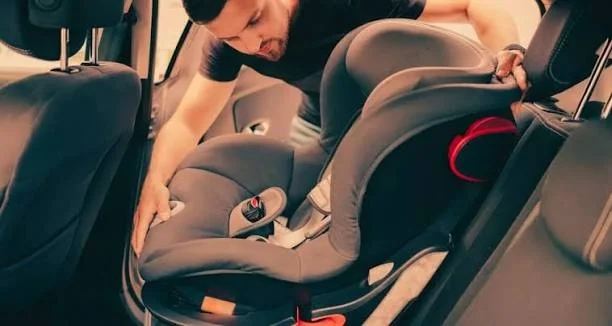
- Incorrect Seat Installation
A large percentage of car seats are installed improperly.
Many police departments and hospitals offer free inspection services.
- Bulky Winter Coats
Heavy coats can create dangerous gaps in harness straps.
- Using Expired Car Seats
Car seats have expiration dates because materials weaken over time.
Pennsylvania Car Seat Safety Recommendations
Legal minimums are not always the safest option.
Safety experts often recommend:
Rear-Facing as Long as Possible
Many seats support rear-facing use beyond age 2.
Harness Use Longer
Children often benefit from harness systems longer than parents expect.
Back Seat Until Age 13
This is widely considered safest.
What Happens If a Child Is Injured Without a Proper Car Seat?
Failure to follow car seat laws can create serious consequences after an accident.
Possible issues include:
- Increased injury risk
- Insurance complications
- Legal liability
- Negligence claims in lawsuits
Proper restraints can dramatically reduce serious injuries and fatalities.
Are Uber and Taxi Drivers Required to Provide Car Seats?
Pennsylvania laws regarding rideshare and taxi situations can become complicated.
In many cases:
- Parents are still responsible for child restraints
- Rideshare vehicles may not automatically provide car seats
Always verify local rules and plan ahead before traveling.
How to Choose the Right Car Seat
Choosing the right seat depends on:
- Child age
- Weight
- Height
- Vehicle type
Common options include:
- Infant seats
- Convertible seats
- All-in-one seats
- Booster seats
Always follow:
- Manufacturer instructions
- Weight limits
- Installation guidelines
Frequently Asked Questions
Q: Is a rear-facing seat legally required in Pennsylvania?
A: Yes. Children under age 2 must ride rear-facing until reaching the seat’s height or weight limit.
Q: At what age can a child stop using a booster seat in Pennsylvania?
A: Pennsylvania law requires booster seats until age 8.
Q: Can my child sit in the front seat at age 8?
A: Legally possible in some situations, but safety experts recommend children under 13 stay in the back seat.
Q: What is the fine for violating Pennsylvania car seat laws?
A: Fines and court costs vary, but drivers may receive traffic citations for noncompliance.
Q: Do grandparents and babysitters have to follow the law?
A: Yes. Anyone driving a child must follow Pennsylvania restraint laws.
Final Thoughts
Pennsylvania car seat laws are designed to protect children during some of the most dangerous moments on the road. Understanding the rules for rear-facing seats, booster seats, and seat belts can help parents avoid fines while dramatically improving child safety.
The biggest takeaway is this: the legal minimum is not always the safest choice. Keeping children in properly fitted car seats and booster seats as long as possible offers the best protection during accidents.
If you are ever unsure whether your child’s seat is installed correctly, local hospitals, police departments, and certified child passenger safety technicians can often help inspect your setup for free.