Short answer: The biggest mistakes after a Seattle car accident are delaying medical care, giving the insurance company a recorded statement too soon, accepting the first offer, and posting about the crash online. Each one can reduce what you recover, and most can be avoided if you know about them early. A Seattle car accident lawyer can help you avoid them from day one.
A car accident leaves you with injuries, a damaged vehicle and a stack of phone calls from people you have never met. In that stress, it is easy to say or do something that an insurance company later uses against you. Here are seven mistakes that cost victims money, and what to do instead.
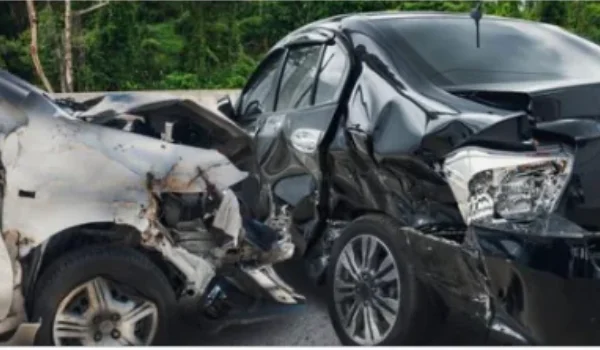
1. Waiting to See a Doctor
Some injuries do not show up right away. Whiplash, concussions and soft tissue damage can take hours or days to appear. If you wait, the insurer may argue that your injuries came from something else, or that they were not serious.
What to do: Get checked the same day, even if you feel fine, and follow your treatment plan. Medical records are the strongest link between the crash and your injuries.
2. Giving a Recorded Statement Too Early
The other driver’s insurance adjuster may call within a day or two and ask for a recorded statement. It sounds routine. But adjusters are trained to look for details that reduce a claim, such as a guess about speed, or the phrase “I’m fine.”
What to do: You can report the crash, but think before you give a recorded statement. Stick to facts you are sure about, and do not guess about things you do not remember.
3. Skipping the Police Report and Scene Evidence
Without a police report, photos or witness names, a crash can turn into one driver’s word against another’s. Seattle has heavy traffic on I-5, Aurora Avenue and downtown streets. Video from nearby businesses or buses can be overwritten within days.
What to do: Call 911, get the report number, and photograph the vehicles, the road, signs, skid marks and your injuries. Collect witness names and phone numbers, and note any nearby cameras.
4. Admitting Fault, Even Casually
Saying “I’m sorry” at the scene is a natural reaction. But it can be quoted later as an admission. Washington is an at-fault state, so who caused the crash decides whose insurance pays.
What to do: Be polite, exchange information, and let the facts decide who was at fault. Do not argue, and do not take the blame.
5. Accepting the First Settlement Offer
Insurers often make an early offer, sometimes within days. It can feel like a relief, especially when bills are piling up. But early offers usually come before your treatment is finished. If you sign a release, your claim usually ends, even if your injuries turn out to be worse.
What to do: Before you sign, ask whether the offer covers all of your medical bills (including future care), lost income, pain and suffering, and the damage to your vehicle.
6. Posting About the Crash on Social Media
Insurers and their lawyers can look at public posts. A photo of you at a family event, or a post saying you are “doing great,” can be used to argue that your injuries are minor.
What to do: Keep your accounts private, and avoid posting about the crash, your injuries or your activities until the claim is resolved.
7. Missing the Deadlines
Most Washington personal injury claims must be filed within three years of the accident under RCW 4.16.080. Some claims, such as those involving a government vehicle or agency, have much shorter notice rules. Waiting also makes evidence harder to find.
What to do: Learn your deadline early, and do not assume you have plenty of time.
How Fault Works in Washington
Washington uses pure comparative fault under RCW 4.22.005. If you are partly at fault, your compensation is reduced by your share, but you can still recover the rest. For example, if you are found 20% at fault, your award is reduced by 20%. That is why insurers often try to move even a small part of the blame onto you.
Do You Need a Lawyer?
Not always. If the crash was minor, nobody was hurt and the insurer is paying for repairs without a dispute, you may be able to handle it yourself.
You should talk to a lawyer if:
- You were injured or need ongoing treatment.
- Fault is being disputed.
- The other driver is uninsured or left the scene.
- The insurance company is delaying, denying or undervaluing your claim.
A lawyer can protect the evidence, deal with the adjusters and make sure your claim reflects the full cost of your injuries. Many injury lawyers offer a free consultation, so it costs little to ask.
What If the Insurance Company Already Offered Money?
You are not required to accept it. Do not sign anything until you know the full cost of your injuries. Ask yourself:
- Does it cover all my medical bills, including future care?
- Does it include the income I lost and may lose?
- Does it account for pain, suffering and long-term effects?
- What rights am I giving up by signing?
If you cannot answer these with confidence, get the offer reviewed before you respond.
Frequently Asked Questions
Should I talk to the other driver’s insurance company?
You can report the crash, but you do not have to give a recorded statement. It is often wiser to get advice before you do.
What if I was partly at fault?
You can still recover. Washington’s comparative fault rule reduces your compensation by your percentage of fault but does not automatically bar your claim.
What if the other driver has no insurance?
Your own uninsured or underinsured motorist coverage, if you have it, may apply. Check your policy and ask a lawyer to review it.
How long do I have to file a claim in Washington?
Generally three years under RCW 4.16.080, though shorter deadlines can apply in some situations.
Final Thoughts
After a car accident, the first few days matter more than most people expect. See a doctor, protect the evidence, be careful with what you say, and do not rush into a settlement. If you were hurt, getting advice early can protect both your health and your claim.
This article is general information, not legal advice. Every case is different, and reading it does not create an attorney-client relationship. Past results do not guarantee a similar outcome.