The Tamiami Trail is more than a road in Sarasota County. It’s the area’s main street. US-41 links Bradenton to Sarasota, Osprey, Venice, and North Port. Along the way, it passes the bayfront, universities, shopping plazas, hospitals, and countless neighborhoods.
That makes it busy. And busy roads come with risk.
Public crash data and state safety studies help show where the dangers are, and what drivers and pedestrians can do about them. Here’s what the numbers reveal.
The Big Picture in Sarasota County
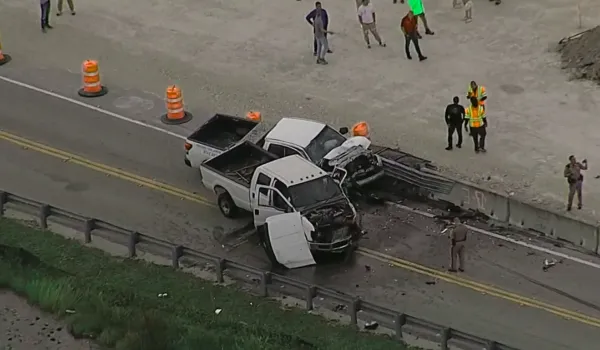
Crashes are a daily reality in Sarasota County. According to state figures reported by local media, the county recorded:
- 6,820 crashes in 2023
- 58 traffic deaths that year
- More than 4,000 injuries
The year before, the county saw slightly more crashes, with the same number of deaths.
That works out to nearly 19 crashes a day, every day of the year. And those totals rise and fall with the seasons, as winter visitors flood local roads.
Why US-41 Stands Out
The Tamiami Trail repeatedly appears in local and state safety reviews. Several patterns explain why.
High-Crash Intersections
Sarasota County and regional planners track the intersections with the highest crash rates. In these rankings, several US-41 locations show up again and again, including:
- US-41 at River Road in the Venice area
- US-41 at Jacaranda Boulevard
- US-41 at University Parkway
- US-41 at Bee Ridge Road
- US-41 at Stickney Point Road, the gateway to Siesta Key
- US-41 at Sumter Boulevard in North Port
These are major crossroads where heavy traffic, turning vehicles, and pedestrians all meet.
Signalized Intersections Are Hot Spots
An earlier FDOT road safety audit of US-41 between University Parkway and Whitfield Avenue found that most crashes in that stretch happened at signalized intersections. The intersection with University Parkway alone accounted for a large share.
That fits a broader pattern. Intersections bring together:
- Left turns across multiple lanes
- Right turns on red
- Red-light running
- Rear-end collisions from sudden stops
- Pedestrians crossing wide roadways
A Corridor Under Study
The Florida Department of Transportation has studied US-41 closely. Its Sarasota/Manatee US 41 Corridor Mobility and Safety Study covers about 11 miles of US-41 and US-41 Business, from University Parkway in Sarasota to Palmetto.
The study’s recommendations show where planners see risk. They include:
- Pedestrian refuge islands and safer crossings
- Pedestrian hybrid beacons that stop traffic for people on foot
- Better crosswalk markings
- Improved lighting at intersections and crosswalks
- Filling gaps in bike lanes
- Repurposing lanes in some areas
In other words, the data points strongly to risks for people walking and biking, not just drivers.
Pedestrians and Cyclists Face the Highest Stakes
Statewide, pedestrians are involved in only a small share of crashes but make up a large share of deaths. The same dynamic plays out along busy corridors like the Tamiami Trail.
Why US-41 is tough on people outside vehicles:
- Wide crossings with multiple lanes
- Long distances between signalized crosswalks
- Higher speeds in suburban stretches
- Poor lighting in some areas at night
- Many driveways where cars turn suddenly
Safety upgrades can help. FDOT has reported that a pedestrian hybrid beacon at one Sarasota-area crosswalk was linked to a sharp drop in pedestrian crashes. That’s a promising sign for future improvements.
Seasonal Spikes Make It Worse
Sarasota County’s population swells from January through April. Snowbirds, tourists, and spring training fans add thousands of extra drivers.
Many are unfamiliar with local roads. Some are navigating roundabouts on US-41 for the first time. Others are distracted by GPS directions. Add longer travel times and frustration, and crash risks climb.
How to Lower Your Risk on the Tamiami Trail
Data can’t prevent crashes, but smart habits can.
For drivers:
- Slow down near major intersections like University, Bee Ridge, Stickney Point, and River Road
- Watch for pedestrians before turning, especially right turns on red
- Leave extra following distance in heavy traffic
- Put the phone away
- Be patient in season, and plan extra travel time
- Use caution at roundabouts, yielding to traffic already in the circle
For pedestrians and cyclists:
- Use marked crosswalks and signals, even if it means a longer walk
- Wear bright or reflective clothing at dawn, dusk, and night
- Make eye contact with drivers before crossing
- Use lights on bicycles after dark
If You’re Hurt in a Crash
Even careful people can be hurt by someone else’s mistake. If you’re in a crash on US-41:
- Call 911 and get medical care
- See a doctor within 14 days to protect Florida PIP benefits
- Document the scene with photos and witness information
- Note nearby businesses that may have cameras
- Be careful on social media, since posts can be used against you. Learn more about how digital footprints affect injury claims.
- Avoid recorded statements with the other driver’s insurer
Florida now uses modified comparative negligence. If you’re found more than 50% at fault, you can’t recover damages. Most negligence lawsuits must be filed within two years.
Getting Help After a Crash
Crashes at busy intersections often involve disputed fault, multiple vehicles, and conflicting witness accounts. Evidence like traffic camera footage and crash reports can disappear or become harder to obtain over time.
If you’ve been injured, speaking with a car accident attorney in Sarasota can help you understand your options and protect your claim.
The Bottom Line
The Tamiami Trail is essential to life in Sarasota County. The data shows it’s also one of the area’s most demanding roads, especially at major intersections and for people on foot.
Knowing where the risks are, and adjusting how you drive, walk, and ride, can help keep you safer on this busy corridor.