Campbell County sits at the heart of Wyoming’s energy economy. The Powder River Basin’s coal mines rank among the largest in the nation. Oil and gas activity adds rigs, well pads, and service yards across the region.
That industry brings jobs and opportunity to Gillette and the surrounding communities. It also brings heavy truck traffic. Commercial vehicles move constantly along I-90, Highway 59, Highway 50, Highway 387, and countless county and lease roads.
For local families, commuters, and energy workers, sharing these roads safely is a daily concern. Here’s what drives the risk, and what you can do to protect yourself.
What Kind of Truck Traffic Are We Talking About?
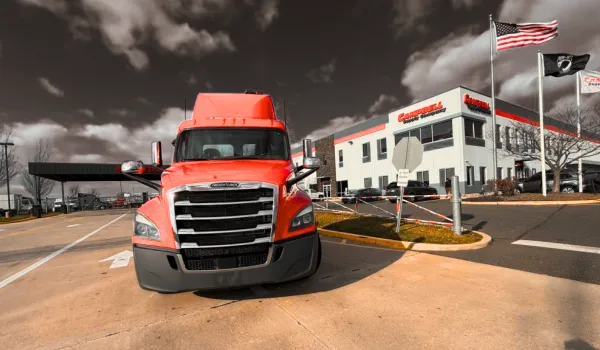
Energy activity puts a wide mix of commercial vehicles on the road, including:
- Tanker trucks hauling crude oil, produced water, and fuel
- Frac sand and aggregate haulers
- Equipment and oversize loads, such as rig parts and mining machinery
- Water trucks serving drilling sites
- Service and crew trucks shuttling workers between sites
- Flatbeds carrying pipe and supplies
Each type of vehicle brings its own risks. Tankers can slosh and shift during turns. Oversize loads take up more than one lane. Crew trucks often travel early in the morning or late at night after long shifts.
Why Energy Truck Traffic Raises Crash Risks
Long Hours and Fatigue
Energy work often involves long shifts and demanding schedules. Drivers may be on the road before dawn or after a full day at a site. Fatigue slows reaction time and dulls judgment.
Federal hours-of-service rules limit how long many commercial drivers can drive. You can review the basics in the FMCSA’s summary of hours-of-service regulations. Some oilfield operations, however, qualify for special exceptions. That makes it even more important to look closely at a driver’s actual schedule after a crash.
Rural Roads Built for Lighter Traffic
Many roads in Campbell County weren’t designed for heavy industrial loads. Common problems include:
- Narrow two-lane highways with limited shoulders
- Gravel and dirt lease roads that create dust clouds
- Potholes and pavement damage from constant heavy use
- Sharp turns into and out of energy sites
- Limited lighting at night
A loaded truck turning slowly onto a highway can surprise a driver cresting a hill at 65 mph.
Weather and Wildlife
Wyoming weather adds another layer of danger. Wind, ice, and blowing snow reduce traction and visibility. Wildlife, especially pronghorn and deer, can dart onto roads at any time. Trucks need more distance to stop or swerve safely.
Pressure to Keep Moving
Energy operations run on tight timelines. When deadlines push drivers to rush, safety can suffer. Speeding, tailgating, and risky passing become more likely.
Safety Tips for Local Drivers
You can’t control truck traffic, but you can reduce your own risk:
- Give trucks extra room. Heavy vehicles need much longer to stop.
- Stay out of blind spots. If you can’t see the driver’s mirrors, they can’t see you.
- Pass carefully. Only pass with a clear view and plenty of distance. Two-lane highways leave little margin for error.
- Slow down near site entrances. Trucks may pull out slowly or turn wide.
- Use headlights, even in daylight, especially in dust or snow.
- Watch for oversize load escorts and follow their signals.
- Plan for weather. Check road conditions before long trips.
Tips for Energy Workers
Energy workers face a double risk. They drive company vehicles and share the road with heavy trucks.
- Speak up about fatigue. Report when you’re too tired to drive safely.
- Inspect vehicles before each trip, including brakes, tires, and lights.
- Secure loads properly to prevent shifting or spills.
- Avoid distractions like phones and radio chatter while moving.
- Follow site traffic plans and speed limits on lease roads.
When a Crash Happens
Truck crashes in rural Campbell County can leave people seriously hurt and far from help. If you’re involved in one:
- Call 911 and give your exact location, including the highway and nearest mile marker.
- Get medical care, even if your injuries seem minor.
- Photograph the scene, including the truck, company markings, and road conditions.
- Write down the USDOT number and company name on the truck.
- Collect witness information.
- Avoid detailed statements to the trucking company’s insurer.
- Be mindful of social media. Posts can be used to challenge your injuries. Learn more about how digital footprints can affect injury claims.
Legal Issues Unique to Energy Truck Crashes
Energy-related crashes can raise complicated legal questions:
Who’s Responsible?
Responsibility may extend beyond the driver to:
- The trucking or service company
- The energy operator that hired the contractor
- A company that loaded or secured cargo
- A maintenance provider
- A road contractor or government agency, in limited cases
Injured on the Job?
If you were injured while working, Wyoming’s workers’ compensation system generally covers your medical bills and lost wages. Wyoming runs its own state workers’ compensation fund.
Workers’ comp usually limits lawsuits against your own employer. But if another company’s driver or vehicle caused the crash, you may also have a third-party claim against that company.
Shared Fault and Deadlines
Wyoming uses modified comparative fault. You can recover damages if you’re not more than 50% at fault, but your award is reduced by your share.
Most Wyoming personal injury lawsuits must be filed within four years. Wrongful death claims generally must be filed within two years. Evidence like driver logs and electronic data can disappear much sooner, so acting quickly matters.
Getting Help After a Crash
Energy truck crashes often involve multiple companies, insurance layers, and federal safety rules. Sorting out who’s responsible takes careful investigation.
Firms with experience in Wyoming trucking cases, such as Cotton Law Office, understand how energy industry operations work and how to pursue claims against commercial carriers.
The Bottom Line
The energy industry is the lifeblood of Campbell County’s economy. With it comes heavy traffic on roads that weren’t always built for it.
By staying alert, giving trucks space, and knowing your rights, you can help keep yourself and your family safer on the road.