Mail-order teeth aligners became extremely popular in the United States because they promised straighter teeth at a lower cost than traditional braces. One of the companies that gained major attention in this industry was Byte.
However, online searches for “Byte aligners lawsuit” have increased as customers report concerns involving:
- Treatment complications
- Refund disputes
- Advertising claims
- Customer service problems
- Dental supervision questions
Many people now want to understand:
- Has Byte faced lawsuits?
- What are the legal complaints about?
- Are mail-order aligners safe?
- What rights do consumers have if treatment goes wrong?
This article explains the legal concerns surrounding Byte aligners, how direct-to-consumer orthodontic companies operate, common customer complaints, and what consumers should know before starting remote dental treatment.
What Is Byte?
Byte Official Website is a direct-to-consumer orthodontic company that sells clear teeth aligners online.
The company markets itself as a more affordable and convenient alternative to traditional braces or in-office orthodontic treatment.
The process generally involves:
- Taking impressions or scans of teeth
- Receiving a remote treatment plan
- Getting aligners delivered by mail
- Using aligners over several months
Byte became popular partly because of:
- Social media advertising
- Lower advertised pricing
- At-home convenience
- Faster treatment marketing
Has Byte Faced Lawsuits?
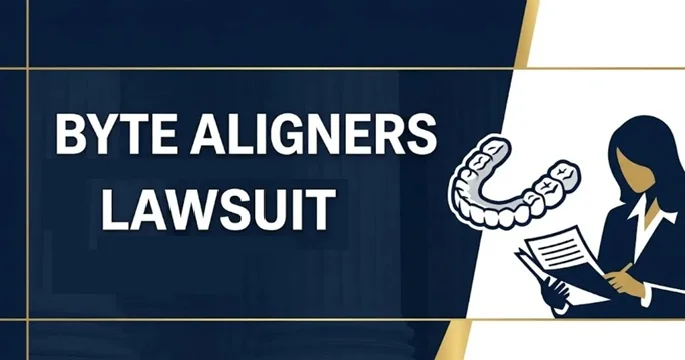
Yes. Byte and other mail-order aligner companies have faced lawsuits, arbitration claims, and customer complaints involving treatment outcomes, refunds, and advertising practices.
Some reported legal concerns have involved:
- Allegedly misleading marketing
- Claims about treatment effectiveness
- Refund disputes
- Dental injuries or bite problems
- Questions about remote supervision
In some situations, customers claimed their teeth alignment worsened after treatment or that promised results were not achieved.
It is important to understand that allegations in lawsuits are claims made by plaintiffs and are not automatically proven facts.
Why Mail-Order Aligners Became Legally Controversial
Traditional orthodontic treatment usually includes:
- In-person exams
- X-rays
- Ongoing dental monitoring
- Adjustments by orthodontists
Mail-order aligner companies changed that model by offering remote treatment.
This created concerns among some dentists and regulators because:
- Patients may not receive full examinations
- Hidden dental problems can be missed
- Teeth movement can become unpredictable
- Complications may not be caught early
As the industry expanded quickly, legal disputes also increased.
Common Complaints in Byte Aligner Lawsuits
Here are some issues frequently mentioned in lawsuits and consumer complaints involving mail-order aligners.
| Common Complaint | Why Customers Become Concerned |
| Bite problems | Teeth may not align correctly after treatment |
| Gum injuries | Tight aligners may irritate gums |
| Refund disputes | Customers struggle to obtain refunds |
| Misleading advertising | Results may differ from marketing promises |
| Lack of dental supervision | Consumers feel unsupported during complications |
| Delayed customer service | Difficulty reaching providers for help |
Not every customer experiences these problems, but they have become major points of legal concern in the industry.
Are Mail-Order Aligners FDA Approved?
This is an area many consumers misunderstand.
The aligners themselves may be manufactured legally, but that does not mean:
- Every treatment outcome is guaranteed
- Remote care is risk-free
- The process works equally well for all patients
The U.S. Food and Drug Administration regulates certain medical devices, but treatment quality also depends heavily on:
- Proper diagnosis
- Patient suitability
- Dental monitoring
- Treatment planning
Complex orthodontic issues may require in-person care.
Why Some Customers Prefer Mail-Order Aligners
Despite legal concerns, many consumers are attracted to companies like Byte because of:
Lower Costs
Traditional braces can cost thousands more.
Convenience
Remote treatment avoids frequent office visits.
Cosmetic Appeal
Clear aligners are less noticeable than metal braces.
Marketing Promises
Ads often emphasize:
- Faster results
- Simplicity
- Confidence boosts
For some people, these benefits are very appealing.
The Biggest Legal Question: Was the Customer Properly Informed?
Many lawsuits involving aligner companies focus on whether consumers fully understood:
- Treatment risks
- Limitations
- Refund policies
- Potential complications
Informed consent is extremely important in healthcare-related services.
Customers should understand that teeth movement can sometimes cause:
- Bite changes
- Tooth sensitivity
- Gum irritation
- Jaw discomfort
- Need for additional dental work
Can Teeth Aligners Actually Cause Damage?
In some situations, yes.
Orthodontic movement changes the position of teeth and jaw alignment. Problems may occur if:
- Teeth are moved incorrectly
- Gum disease exists
- Bone support is weak
- The treatment plan is inaccurate
Potential complications can include:
- Bite imbalance
- Gum recession
- Tooth loosening
- Jaw pain
That does not mean all mail-order aligners are unsafe, but it does show why proper supervision matters.
Why Refund Disputes Happen So Often
Refund complaints are common across the mail-order aligner industry.
Customers sometimes claim:
- Results did not match expectations
- Treatment worsened alignment
- Additional dental work became necessary
- Customer service was difficult to reach
Companies may respond that:
- Results vary by individual
- Customers accepted treatment terms
- Compliance issues affected outcomes
Because expectations are subjective, disputes can become complicated.
What Consumers Should Ask Before Buying Aligners
Before starting any remote orthodontic treatment, ask detailed questions.
Important Questions
- Will a licensed dentist review my case?
- Are X-rays required?
- What risks are involved?
- What happens if treatment fails?
- What is the refund policy?
- Can I contact a dentist directly?
- What cases are not suitable for remote aligners?
- Will additional costs arise later?
A reputable provider should answer these questions clearly.
Warning Signs Consumers Should Watch For
Be cautious if a company:
- Guarantees perfect results
- Avoids discussing risks
- Makes treatment sound effortless
- Pressures quick purchases
- Hides refund terms
- Offers little professional support
Orthodontic treatment is a medical process, not just a cosmetic product purchase.
Can Customers Sue an Aligner Company?
Potentially yes, depending on the circumstances.
Possible legal claims may include:
- False advertising
- Consumer protection violations
- Negligence
- Breach of contract
- Failure to disclose risks
However, many companies require customers to agree to:
- Arbitration clauses
- Liability waivers
- Limited dispute procedures
That can make lawsuits more complicated.
What Is Arbitration?
Many online healthcare and subscription companies include arbitration agreements in their terms.
Arbitration is:
- A private legal dispute process
- Usually faster than court
- Often confidential
However, arbitration may:
- Limit class action participation
- Restrict appeals
- Reduce public transparency
Consumers should read terms carefully before agreeing.
Why Orthodontists Criticize Mail-Order Models
Some orthodontists argue remote aligner companies:
- Oversimplify complex dental care
- Depend too heavily on algorithms
- Reduce in-person monitoring
- Increase risks for certain patients
Supporters of mail-order aligners argue that:
- Technology improves access
- Costs are lower
- Many mild cases succeed
The debate continues across the dental industry.
How Consumers Can Protect Themselves
Here are practical ways to reduce risk before using aligners.
Get an In-Person Dental Exam First
A local dentist can identify hidden problems.
Ask for X-Rays
Some issues are invisible in photos or impressions alone.
Understand the Refund Policy
Read all fine print carefully.
Keep Copies of Communications
Save emails, contracts, and treatment plans.
Research Independent Reviews
Do not rely only on social media ads or testimonials.
What To Do If Treatment Goes Wrong
If you experience complications:
- Stop treatment if advised by a dentist
- Document symptoms with photos
- Request written responses from the company
- Seek an independent orthodontic opinion
- Review refund and dispute options
Serious dental issues should always be evaluated by a licensed professional.
Final Thoughts
The growing attention surrounding the “Byte aligners lawsuit” reflects larger concerns about remote healthcare, online medical marketing, and direct-to-consumer dental treatment.
While many customers may complete aligner treatment successfully, lawsuits and complaints show that not every case goes smoothly. Problems involving bite changes, refund disputes, customer support, and treatment expectations have created legal scrutiny across the mail-order orthodontics industry.
Before choosing any aligner company, consumers should:
- Understand the risks
- Verify professional supervision
- Read contracts carefully
- Research refund policies
- Avoid unrealistic expectations
Straightening teeth is a medical process, and convenience should never replace informed decision-making and proper dental care.