
The day an infant is born is supposed to be a joyful event, but when a mother has an accident during her pregnancy, labor or delivery it can become a difficult time. Some of these birth injuries happen because proper medical care is provided, others could be the result of preventable mistakes during the medical care that is given. Birth Injury Caused by Maternity Care Negligence is highly harmful when there have been complications that should have been avoided if the person responsible was doing the right things.
Warning Signs That Maternity Care May Have Been Negligent
Sometimes, specific situations may make it possible to suggest doubts regarding the care being given. This includes, but is not limited to, failure to keep track of the baby’s heart rate, failure to be aware of maternal infections, failure to examine abnormal results and failure to administer timely medical interventions. Other more disturbing scenarios could include poor teamwork amongst different members of the maternity team and lackadaisical response to a patient’s change of condition.
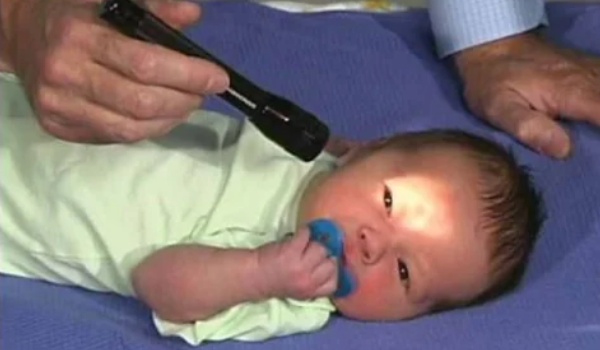
Common Birth Injuries Associated With Medical Negligence
There are different degrees of birth injuries. Depending on the treatment some can heal, and others can result in permanent physical and/or neurological effects.
- Brachial Plexus Injuries: If the network of nerves that controls the shoulder, arm and hand of the baby are damaged, it will be known as a Brachial Plexus. Damage to this network can happen during difficult deliveries, even shoulder dystocia.
- Hypoxic-Ischemic Encephalopathy (HIE): This condition is a blow to the brain due to a lack of oxygen and blood to the brain. A lack of timely intervention for some issues during birth may play a part in the risk.
- Skull or Bone Fractures: If too much force or incorrect techniques is applied, fractures during childbirth can occur.
Understanding Your Legal Options After a Suspected Birth Injury
Families who believe that an injury suffered by their child was caused by their mother’s miss-diagnosis or forgetfulness, or any other type of medical mistake by the healthcare worker regarding them may have grounds to contemplate a medical liability claim. But, in order to establish negligence, a birth injury case far more usually shows people more than merely that an injury came throughout giving birth.
In a legal investigation, the following questions are likely to be considered: Did the healthcare provider have a duty of care? Did they fail to meet the standard of care? Was their failure to meet the standard of care a cause of the injury? Was damage suffered by the family that is compensable?
Records of the mother’s health, fetal monitoring, the results of fetal testing, delivery notes, prescription medications and other special tests may help determine what occurred.
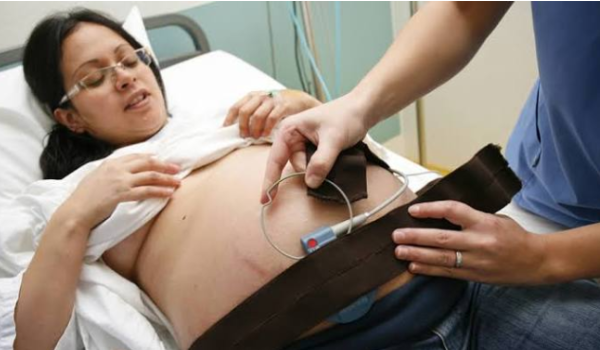
Frequently Asked Questions
1. What is considered a birth injury caused by maternity care negligence?
Any injury that occurs prior to, during or soon after delivery which may have been caused by the lack of a healthcare provider to the accepted level of care. These include a failure to respond to fetal distress, poor delivery practices or not having a plan for conditions that can go wrong during the pregnancy.
2. Can a birth injury occur even when doctors provide proper care?
Yes. Other birth injuries are caused by unavoidable factors, preexisting health issues or situations beyond healthcare providers’ control. Just because something went wrong doesn’t necessarily result in malpractice.
3. What compensation may be available for a birth injury?
Medical costs, rehabilitation costs, costs of assistive equipment, medical care in the future, lost income and other recoverable damages are examples of compensation that may be awarded in different jurisdictions and situations.
4. When should families contact a birth injury attorney?
Once a family has any concerns that medical error may have played a role in their child’s injury they should see an attorney. Having legal advice early on will help ensure important medical evidence is protected and help determine applicable filing deadlines.
Conclusions
When a child is born with a birth injury, this can alter the rest of their life and the family’s life, especially if there is a chronic medical or developmental problem that stems from the birth injury. Some birth injuries are simply the result of the doctor or health care provider’s carelessness or negligence, but anything that could have been avoided is serious. Educating families about the likely causes, signs and symptoms as well as shedding the correct medical and legal advice, can assist them in making informed decisions about actions to be taken next. Above all, parents should receive no ambiguous outlines from doctors about their child and his treatment but clear ones when he is at the most crucial moments.