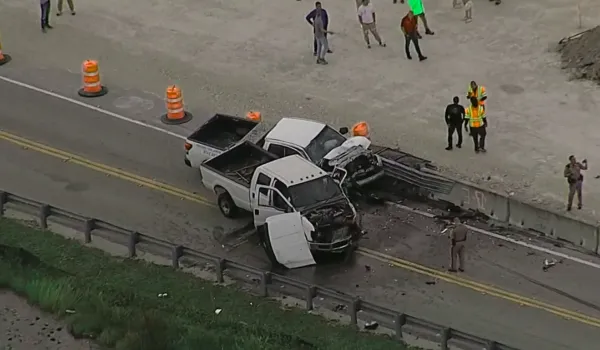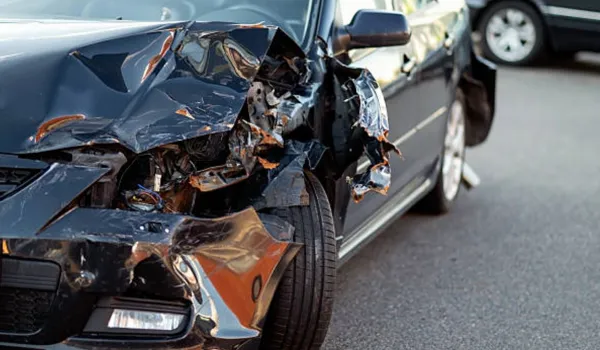
Picture a busy Friday afternoon on the Phoenix metro. A motorcyclist is riding in the right lane at a steady pace when the car ahead drifts left without signaling. The driver was looking at a navigation screen. That split-second inattention is enough to cause a serious collision.
Distracted driving is one of the most persistent road safety problems in Arizona, and riders bear a disproportionate share of the consequences when other drivers lose focus. Texting, adjusting music, eating, checking GPS, all common culprits.
The central question when an accident follows is straightforward: who is legally responsible?
How Distracted Driving Leads to Motorcycle Accidents in Arizona
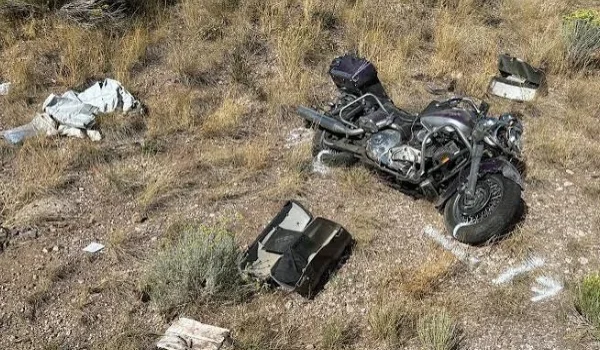
A driver who looks away from the road for even three or four seconds can travel the length of a football field without any awareness of what lies ahead. For a nearby rider, that gap in attention can be catastrophic. According to the Arizona Department of Transportation, at least 8,289 drivers involved in collisions in 2024 were engaged in some form of distracted-driving behavior, and ADOT cautioned that the actual number is likely higher.
Certain accident patterns show up repeatedly when distracted drivers and motorcyclists share the road:
- A driver changes lanes without checking blind spots and clips a rider traveling alongside.
- A motorist makes a left turn at an intersection without noticing an oncoming motorcycle.
- A driver fails to register that a rider ahead is slowing down, resulting in a rear-end collision.
- A vehicle drifts into a motorcycle’s lane because the driver is reading a text message.
Motorcycle accidents are most common in densely populated areas such as Tucson and Phoenix, where heavy traffic, frequent lane changes, and distracted driving often lead to collisions. On high-volume corridors like the I-10 or Loop 101, the consequences of even brief inattention are amplified by the speed and density of surrounding traffic.
Riders also have far less physical protection than people inside enclosed vehicles. No airbags, no steel frame, no crumple zones. When a distracted driver causes a crash, the rider typically absorbs the full force of the impact.
Who Is Legally Responsible When Distracted Driving Causes an Accident?
Every driver on a road has a legal obligation to operate their vehicle with reasonable care. That means staying alert, checking mirrors, and paying attention to the full range of traffic around them. When a driver picks up a phone, eats behind the wheel, or focuses on something other than the road, they may be falling short of that standard. In a personal injury claim, that failure can form the basis of a negligence argument.
The state follows a comparative negligence system, which means responsibility for an accident can be divided between more than one party. If an injured rider is found to share some portion of fault, say speeding at the time of the crash, that percentage is applied to reduce the compensation they can recover. But a motorcyclist does not need to be entirely free of fault to pursue a claim. As long as another party bears some share of responsibility, the injured rider may still have the right to seek damages.
Liability is not automatic. It depends on the available evidence, the circumstances of the collision, and how clearly the facts establish what each party was doing in the moments before impact.
Proving That Distracted Driving Caused a Motorcycle Accident
Establishing that a driver was distracted at the time of the crash is often one of the most important steps in pursuing an injury claim. Distraction is not always visible at the scene. Building a clear picture of what happened requires gathering multiple types of evidence.
Police Accident Reports
Officers who respond to a crash document their observations, including any signs of distracted behavior. If a driver admitted to using a phone or was observed holding one, that detail may appear in the report.
Witness Statements and Surveillance Footage
Bystanders who saw the collision can provide accounts of the driver’s behavior before impact. Traffic cameras and nearby security cameras may have captured the moments leading up to the crash, including whether a driver’s attention was actually on the road.
Phone Records and Vehicle Data
When legally obtained, phone records can show whether a driver was texting or calling at the time of the collision. Vehicle event data recorders may also capture speed, braking patterns, and other factors relevant to accident reconstruction.
Scene Documentation
Photographs of vehicle positions, skid marks, and road conditions help establish the physical sequence of events. Accident reconstruction professionals can use this information to analyze how the crash unfolded and whether the driver’s actions contributed to it.
Why Legal Guidance Matters After a Distracted Driving Motorcycle Accident
Motorcycle accident claims involve overlapping questions about negligence, insurance coverage, and comparative fault. Insurance companies investigate these collisions carefully and often look for ways to shift responsibility toward the rider. Having someone in your corner who understands how these cases work makes a real difference.
A lawyer specializing in motorcycle accidents can review the evidence, identify all potentially responsible parties, communicate with insurers on the rider’s behalf, and evaluate what compensation may be available. Early legal guidance also helps injured riders avoid common mistakes, like giving recorded statements to an opposing insurer before understanding their rights.
Getting a handle on available options shortly after an accident allows riders to make informed decisions rather than reactive ones.
What Compensation May Be Available to Injured Motorcyclists?
The financial and personal toll of a motorcycle accident can be significant. Medical costs begin immediately and often continue for months. Lost income compounds the pressure when injuries prevent a rider from returning to work. Compensation in these cases may cover:
- Emergency treatment and hospital expenses
- Rehabilitation and ongoing medical care
- Lost wages and reduced earning capacity going forward
- Motorcycle repair or replacement
- Pain and suffering
The amount available depends on the severity of the injuries, the strength of the evidence, applicable insurance coverage, and how fault is ultimately divided between the parties. Arizona’s comparative negligence rules mean the final figure is adjusted based on each party’s assigned percentage of responsibility.
Arizona Laws and Time Limits for Claims
Arizona has prohibited drivers from physically holding or supporting a cellphone while driving since the state’s hands-free law was signed in 2019. Under more recent legislation, the penalty for a second or subsequent violation is now $400, while the fine for a first offense remains between $75 and $149. Violating this law does not automatically establish liability in a civil claim, but it is relevant evidence that investigators and attorneys consider when piecing together what happened.
NHTSA reports that per vehicle mile traveled, motorcyclists were about 28 times more likely than passenger car occupants to die in a crash. That figure underscores why the legal framework surrounding these accidents carries so much weight for riders and their families.
The general statute of limitations for personal injury claims here is two years from the date of the accident. Waiting too long can eliminate the right to seek compensation entirely. When a government entity may be involved, such as when a road defect contributed to the crash, different deadlines and procedural rules may apply. Rather than assuming there is unlimited time, riders benefit from seeking reliable legal information as soon as they are able.
The Takeaway
Distracted driving creates unnecessary danger for everyone on the road, and motorcyclists feel the consequences most sharply. Riders have no buffer between themselves and the physical forces of a collision, which makes the attentiveness of surrounding drivers a matter of genuine safety. Figuring out who bears responsibility after a crash requires a careful look at the evidence, the circumstances, and how Arizona’s fault-sharing rules apply to the specific facts.
For anyone injured in this kind of accident, understanding legal rights early is not just practical. It is the foundation for making sound decisions about what comes next.