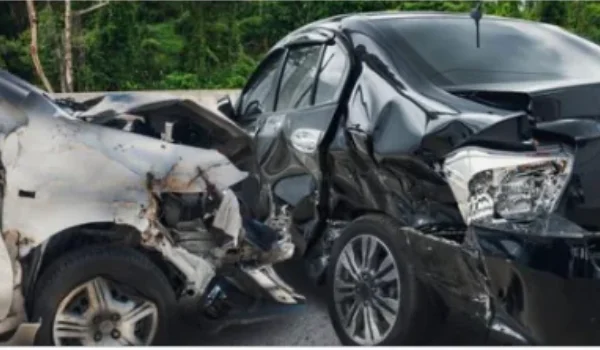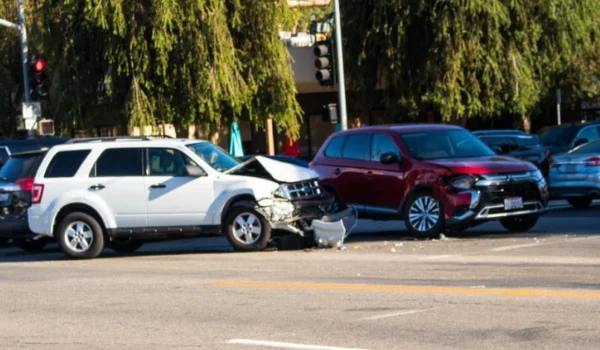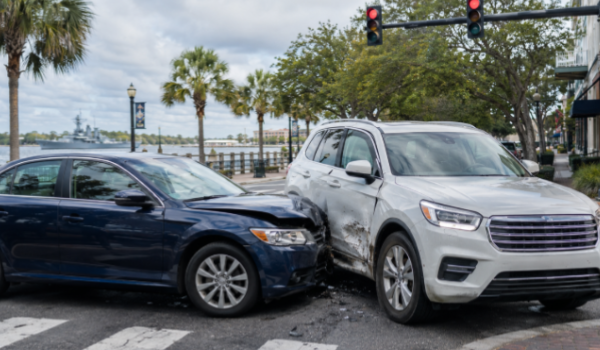
A car accident in Wilmington can raise difficult questions about who was responsible, how North Carolina law affects your right to compensation, and what steps could protect your claim. You do not need to understand every legal term to start protecting yourself. North Carolina has strict rules about accident claims, and a few early decisions can make a difference. Wilmington car accident attorneys can help you understand those rules and review what happened without expecting you to know the law already.
What to Do at the Accident Scene
First, check whether anyone needs medical help. Call 911 for injuries or an immediate danger. North Carolina General Statute § 20-166.1 requires drivers to notify law enforcement immediately when an accident must be reported. Under § 20-4.01(33b), a reportable crash generally includes an injury, a death, or at least $1,000 in total property damage. If the crash happened within Wilmington city limits, the local police department is the appropriate agency.
Do not leave a reportable crash scene before an officer permits you to go, unless a legal exception applies, such as leaving to obtain emergency help or escape serious danger. North Carolina’s separate stop-and-assist requirements appear in § 20-166.
If it is safe, take pictures before the cars are moved. Show the damage, nearby signs, traffic lights, road markings, and anything blocking a driver’s view. Exchange names and insurance information. Ask witnesses how they can be reached, and save the police report number. You might not need every photo, but you cannot return later to capture the scene exactly as it was.
Get Medical Care and Keep the Paperwork
You may feel shaken but otherwise fine right after a crash. You might feel fine right after the accident, only to wake up the next day with a headache, a stiff neck, or pain you didn’t notice before. If something doesn’t feel right, see a doctor and let them know you were in a car accident. Your doctor’s instructions should be followed, and any worsening pain or unusual symptoms should be reported.
Keep your medical bills, prescriptions, and other papers from your doctor. If your injuries caused you to miss your work, a record of your missed days or hours can be requested from your employer. Your medical records and missed workdays can give a clearer picture of what you’ve been through and the money you’ve lost since the accident. They also give you a clearer picture of your recovery than memory alone.
What Compensation May Include
To succeed with a negligence claim, you generally must show that the other driver owed a duty of reasonable care, failed to meet it, and caused injuries and losses. North Carolina General Statute § 20-141 addresses safe speeds for road conditions. Section 20-152 prohibits following another vehicle more closely than is reasonable and prudent. If the other driver broke one of these rules, it could help support your claim but getting a traffic ticket does not automatically mean they were responsible for the accident.
You may be able to receive compensation for your medical bills, therapy, missed work, car repairs, and the pain you’ve experienced but it all depends on what happened and the evidence supporting your claim.
Some injuries also limit how much a person can earn later. Keep repair estimates, pay records, and receipts for medications or transportation to appointments.
Write down the practical changes, too. Are you unable to lift groceries, drive comfortably, or care for your children as you normally would? Describe these problems in plain language and share them with your doctor when relevant. They can help explain how the injury affects your life, although every claimed loss still needs proper support.
What Insurance Can and Cannot Pay
For North Carolina auto policies issued or renewed beginning July 1, 2025, the required liability limits increased to $50,000 for injuries to one person, $100,000 for injuries in one accident, and $50,000 for property damage. These figures describe minimum available liability coverage, not an amount that an injured person automatically receives.
If the responsible driver has no insurance, uninsured motorist coverage may help. If that driver has some insurance but not enough to cover your losses, underinsured motorist coverage may matter. The precise options depend on your policy, the accident date, the available coverage, and whether the legal requirements for payment are met. Ask for a copy of your policy rather than guessing what it covers.
Do Not Lose Track of the Filing Deadline
North Carolina General Statute § 1-52 generally gives you three years to file a lawsuit for personal injuries from a car accident. If a loved one died because of another person’s negligence, § 1-53(4) generally sets a two-year wrongful death deadline measured from the date of death. Exceptions and special procedures may change how a particular case must be handled.
After a car accident, you may have questions about your rights or feel unsure about what the insurance company is telling you. Houser Injury Law can look into what happened, answer your questions, and help you deal with the insurance claim. You have enough to deal with after an accident, and getting the legal help you need shouldn’t make things harder.
Frequently Asked Questions
1. What if You Did Not Feel Hurt Right After the Accident?
Some injuries do not cause pain right away. You might notice headaches, neck pain, or stiffness hours or days later. If this happens, see a doctor and explain when your symptoms started. Keep your medical records in case you need them for your claim.
2. Do You Have to Talk to the Other Driver’s Insurance Company?
You can speak with the insurance company, but you generally do not have to give the other driver’s insurer a recorded statement. Be careful about answering questions when you are unsure of the facts. You can ask an attorney for advice before discussing the accident in detail.
3. Can You File a Claim Without a Police Report?
Yes, you may still be able to file a claim without a police report. Pictures, witness statements, medical records, and other evidence can help show what happened. However, North Carolina law requires certain accidents to be reported, so failing to notify the police when required can cause separate problems.
4. What if the Driver Who Hit You Leaves the Scene?
Report the accident to the police as soon as possible. If you can, write down the vehicle’s description, license plate number, and direction it traveled. Your uninsured motorist coverage may help if the driver cannot be identified, but special reporting and insurance requirements apply.
5. Can You Make a Claim if You Were a Passenger?
Yes. If you were injured while riding in someone else’s car, you may be able to seek compensation from the driver who caused the accident. That could be the person driving your vehicle or another driver involved in the crash.
6. Should You Accept the Insurance Company’s First Settlement Offer?
You do not have to accept the first offer. Before agreeing, consider whether you still need treatment, have unpaid medical bills, or have missed work because of your injuries. Once you sign a final settlement agreement, you generally cannot ask for additional compensation for the same claim.