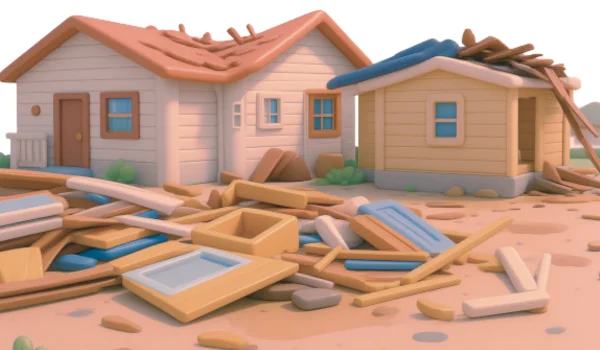
The phrase “100 Day Dream Home lawsuit” has gained attention online as viewers and homeowners search for information about legal disputes connected to fast-paced home construction projects, contractor disagreements, and reality TV renovation expectations.
Fans of 100 Day Dream Home often wonder:
- Has the show faced lawsuits?
- Can homeowners sue builders over delays or defects?
- What legal rights do buyers have in custom home projects?
- Are reality TV home timelines realistic?
These are important questions because building or renovating a home is one of the biggest financial decisions most Americans will ever make.
In this article, we will explain how home construction lawsuits work in the United States, common legal disputes involving builders and contractors, what homeowners should watch for, and how reality TV projects differ from normal construction jobs.
What Is “100 Day Dream Home”?
HGTV reality series 100 Day Dream Home follows builders and designers helping families create customized homes within a roughly 100-day construction timeline.
The show became popular because it combines:
- Fast home construction
- Custom design
- Budget planning
- Family-focused storytelling
- Dramatic before-and-after reveals
Like many renovation and construction TV shows, viewers sometimes question whether timelines, budgets, and results accurately reflect real-world construction experiences.
Is There a Major 100 Day Dream Home Lawsuit?
As of now, there is no widely known large-scale lawsuit directly tied to the 100 Day Dream Home television series comparable to some high-profile reality TV legal controversies.
However, online searches for “100 Day Dream Home lawsuit” usually relate to broader concerns involving:
- Construction defects
- Contractor disputes
- Delayed projects
- Budget overruns
- Home warranty issues
- Miscommunication between builders and homeowners
In the homebuilding industry, lawsuits are unfortunately common because construction projects involve large amounts of money, tight deadlines, multiple subcontractors, and complicated contracts.
Why Home Construction Lawsuits Happen So Often
Building a home sounds exciting, but it can also create legal disputes very quickly.
Here are some common reasons homeowners sue builders or contractors.
| Common Construction Dispute | Why It Happens |
| Delayed completion | Labor shortages, permits, weather, or supply issues |
| Poor workmanship | Defective construction or low-quality materials |
| Budget overruns | Unexpected costs or unclear contracts |
| Design disagreements | Homeowners and builders interpret plans differently |
| Permit/code violations | Work may fail inspections |
| Warranty disputes | Builders may deny responsibility for repairs |
| Payment conflicts | Disputes over invoices or unfinished work |
Even well-intentioned projects can become stressful when expectations are unclear.
Reality TV vs. Real-Life Construction
One important thing viewers should understand is that reality TV construction timelines are often very different from ordinary projects.
Television productions may benefit from:
- Larger crews
- Coordinated scheduling
- Pre-planned designs
- Faster material sourcing
- Production budgets
- Editing that compresses timelines
In the real world, custom homes frequently take:
- 6 months
- 12 months
- Sometimes even longer
That is why some homeowners become frustrated when their personal projects do not move as quickly as TV renovations.
Can Homeowners Sue a Builder?
Yes. Homeowners in the United States can sue builders or contractors under certain circumstances.
Common legal claims include:
Breach of Contract
The builder allegedly failed to meet contract terms.
Construction Defects
The homeowner claims the work was defective or unsafe.
Negligence
Poor workmanship allegedly caused financial damage.
Fraud or Misrepresentation
A homeowner claims false promises or misleading statements were made.
Warranty Violations
The builder allegedly failed to honor written or implied warranties.
What Counts as a Construction Defect?
Not every minor cosmetic issue becomes a lawsuit.
However, serious defects may include:
- Foundation cracks
- Roof leaks
- Mold caused by poor construction
- Plumbing failures
- Electrical hazards
- Structural instability
- Water intrusion
Some defects appear immediately, while others may take years to become visible.
What Is a Home Builder Warranty?
Many new homes include warranties covering specific issues for limited time periods.
Typical warranty categories include:
| Warranty Type | Typical Coverage |
| Workmanship warranty | Cosmetic or labor-related issues |
| Systems warranty | Plumbing, HVAC, electrical |
| Structural warranty | Major structural defects |
Coverage terms vary by builder and state law.
Always read warranty documents carefully before signing contracts.
Why Fast Construction Can Create Problems
The pressure to complete homes quickly can sometimes increase risks such as:
- Missed inspections
- Rushed workmanship
- Poor communication
- Material substitutions
- Scheduling mistakes
This does not automatically mean a fast-built home is defective, but speed can increase the chances of disputes if quality control is weak.
What Homeowners Should Do Before Signing a Construction Contract
Many legal disputes could be avoided with stronger planning upfront.
Here are smart steps homeowners should take.
- Read the Contract Carefully
Pay close attention to:
- Payment schedules
- Completion timelines
- Warranty language
- Change order rules
- Delay clauses
- Get Everything in Writing
Verbal promises can become difficult to prove later.
Keep records of:
- Emails
- Text messages
- Invoices
- Design approvals
- Material selections
- Verify Licenses and Insurance
Check whether the contractor has:
- State licensing
- Liability insurance
- Workers’ compensation coverage
- Understand the Timeline
Construction delays are common.
Ask about:
- Permit schedules
- Supply chain risks
- Weather impacts
- Subcontractor availability
Signs a Construction Project May Be Heading Toward Legal Trouble
Watch for these warning signs during a project:
- Constant missed deadlines
- Poor communication
- Unexplained cost increases
- Incomplete permits
- Failed inspections
- Frequent subcontractor changes
- Refusal to provide documents
- Requests for unusually large upfront payments
Early action can sometimes prevent larger disputes later.
What Happens During a Construction Lawsuit?
Construction lawsuits can become lengthy and expensive.
The process often includes:
- Filing a complaint
- Contractor response
- Document exchange
- Expert inspections
- Mediation or settlement talks
- Trial if necessary
Many disputes settle before reaching trial because litigation costs can become extremely high.
Alternative Ways to Resolve Construction Disputes
Not every disagreement needs a courtroom battle.
Many contracts require:
- Mediation
- Arbitration
- Negotiation
These methods may:
- Save money
- Reduce stress
- Resolve disputes faster
However, arbitration clauses can sometimes limit a homeowner’s legal options, so contract review is important.
Can Reality TV Homeowners Sue Production Companies?
In some situations, disputes involving reality TV homes may involve:
- Contractors
- Designers
- Production companies
- Property owners
However, participants on reality television often sign extensive agreements that may:
- Limit liability
- Require arbitration
- Restrict lawsuits
- Include confidentiality clauses
That can make legal claims more complicated.
How Much Do Construction Lawsuits Cost?
Construction litigation can become expensive quickly.
Costs may include:
- Attorney fees
- Expert witnesses
- Engineering inspections
- Court filing fees
- Repair estimates
That is why many homeowners try negotiation before filing a lawsuit.
When Should Homeowners Contact a Lawyer?
Consider speaking with a construction attorney if:
- Major defects appear
- Repairs are ignored
- Large sums of money are involved
- Safety issues exist
- Contracts are unclear
- A builder threatens legal action
Early legal advice can sometimes prevent larger financial losses.
How to Protect Yourself During a Home Build
Here are some practical ways homeowners can reduce risk:
Hire Independent Inspectors
Third-party inspections can identify problems early.
Keep a Construction Journal
Document:
- Dates
- Photos
- Payments
- Conversations
Avoid Paying Too Much Upfront
Large advance payments increase financial risk.
Review Change Orders Carefully
Small changes can dramatically affect budgets and timelines.
Final Thoughts
Searches for “100 Day Dream Home lawsuit” reflect growing public interest in construction disputes, contractor accountability, and the realities behind fast-paced homebuilding projects.
While there is no widely known major lawsuit directly tied to the television show itself, the topic highlights very real concerns that many homeowners face during custom home construction.
Building a dream home can be exciting, but it also involves legal, financial, and emotional risks. Delays, defects, warranty disagreements, and communication problems are common sources of conflict in the construction industry.
The best protection for homeowners is preparation:
- Read contracts carefully
- Document everything
- Verify contractors
- Understand timelines realistically
- Seek legal advice early when problems arise
A beautiful home project can quickly become stressful if expectations, costs, and responsibilities are not clearly defined from the beginning.