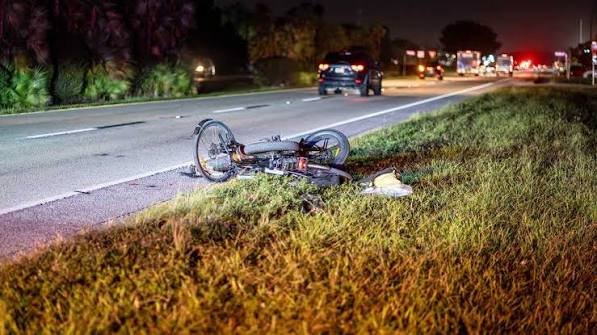
- Move to safety and call emergency services when there is a serious injury or immediate danger.
- Seek medical care for symptoms that appear or worsen after the crash.
- Photographs, witness information, damaged gear, and records can help document what happened.
- Insurance coverage may depend on the policies, vehicles, people, and location involved.
- Do not guess about fault or make unsupported statements while the facts are still unclear.
- Local e-bike rules and reporting deadlines can affect the next steps.
An e-bike crash can leave a rider shaken, hurt, and unsure what to do next. The best immediate approach is simple: protect yourself from further danger, get medical attention when needed, and preserve the facts before memories or physical evidence disappear. Questions about electric bike accident liability may come later, but safety should always come first.
Whether the collision involved a car, another cyclist, a pedestrian, a road hazard, or a malfunctioning e-bike, avoid rushing to conclusions. A calm, organized response can make it easier to address medical needs, insurance communications, repairs, and any local reporting requirements.
Table of Contents
- Take These First Steps After a Crash
- Get Medical Care Even When Injuries Seem Minor
- Preserve Evidence at the Scene
- Collect Witness and Contact Information
- Know Which Insurance Questions May Matter
- Avoid Quick Assumptions About Fault
- Protect the E-Bike and Its Records
- Watch for Deadlines and Local Rules
- Reduce the Risk of a Future Crash
- Final Thoughts
1. Take These First Steps After a Crash
First, look for immediate hazards. If you can move without increasing your risk of injury, get out of traffic and away from moving vehicles. Call 911 or local emergency services if anyone has severe pain, significant bleeding, confusion, loss of consciousness, trouble breathing, or signs of a possible head, neck, or spinal injury.
Do not argue at the scene. Exchange names, contact details, and insurance information when appropriate, but keep the conversation factual. Shock and adrenaline can affect memory, so it is often better to focus on safety and documentation than on debating blame.
2. Get Medical Care Even When Injuries Seem Minor
Prompt medical attention can be important after a crash, even if the injury initially seems limited to soreness or a scrape. Headaches, dizziness, nausea, pain, numbness, stiffness, and reduced movement can develop or become more noticeable later. Follow discharge instructions, attend recommended follow-up appointments, and seek urgent care if symptoms worsen.
Keep copies of visit summaries, prescriptions, bills, and photographs of visible injuries. When speaking with a clinician, describe when symptoms began and how the collision occurred as accurately as possible.
3. Preserve Evidence at the Scene
If it is safe, take photographs and short videos before vehicles, debris, or weather conditions change. Capture the e-bike from several angles, any vehicle involved, damage to helmets and clothing, road markings, signs, traffic signals, lighting, potholes, loose gravel, and other relevant conditions.
Save recordings from a phone, helmet camera, vehicle camera, doorbell camera, or nearby business as soon as possible. Some systems overwrite footage automatically. Note the time, date, location, weather, and direction each person was traveling.
4. Collect Witness and Contact Information
Independent witnesses may provide useful details that the people directly involved did not see or remember. Ask politely for each witness’s name, phone number, and email address. Do not pressure anyone to assign fault or repeat your version of events.
- Ask whether the witness saw the collision itself or only what happened afterward.
- Write down where the witness was located and what direction they were facing.
- Make a brief note of what they said while it is fresh.
- Save any follow-up message or email without editing the original exchange.
5. Know Which Insurance Questions May Matter
Coverage questions can be complicated because e-bikes are treated differently under different policies and local rules. Depending on the circumstances, there may be insurance connected to a motor vehicle, a health plan, a homeowners or renters policy, a rental company, a delivery platform, or a specialized e-bike policy.
Communicate Carefully
Report the incident when a policy requires notice, but stick to information you know firsthand. Avoid guessing about speed, visibility, equipment failure, or fault. Before agreeing to a recorded statement or settlement, review the situation carefully and consider obtaining advice that fits your specific circumstances.
6. Avoid Quick Assumptions About Fault
A crash can have more than one contributing factor. Traffic signals, turning movements, sightlines, road design, speed, weather, equipment condition, and the actions of drivers, riders, or pedestrians may all matter. An early opinion from another person or an insurance representative does not necessarily resolve every issue.
Preserve facts rather than conclusions. For example, write down that a parked vehicle blocked your view, a signal was malfunctioning, or a driver turned across your path, rather than making assumptions about why someone acted as they did.
7. Protect the E-Bike and Its Records
Do not repair, modify, sell, or discard the e-bike until you have thoroughly documented its condition. Store it in a dry, secure place and retain damaged parts when practical. Damage does not automatically establish why a crash occurred, but it may preserve useful information.
- Purchase receipts, order confirmations, and warranty records
- Maintenance and repair invoices
- Battery, charger, and component details
- Photos taken before and after the crash
- Rental agreements, app records, or delivery assignments, if relevant
8. Watch for Deadlines and Local Rules
E-bike regulations can vary by state and city, including rules on classifications, speed limits, roadway access, equipment, and rider age. Check the rules that apply where the crash occurred rather than relying on guidance from another jurisdiction. The safety guidance for bicycle and e-bike riders also emphasizes helmets and safer travel environments as important injury-prevention measures.
Reporting, insurance, and legal deadlines may also apply. Identify possible deadlines early, keep dated copies of correspondence, and confirm the requirements that apply to your situation.
9. Reduce the Risk of a Future Crash
Preventing another crash is not about blaming the person who was injured. It is about identifying practical habits to improve visibility, control, and decision-making during future rides.
- Wear a properly fitted helmet and use front and rear lights when visibility is limited.
- Check tires, brakes, lights, and battery connections before riding.
- Practice braking, turns, and low-speed handling in a low-traffic area.
- Slow down near driveways, crossings, blind corners, and crowded paths.
- Keep cargo and passengers within the e-bike manufacturer’s stated limits.
Planning a route with lower traffic stress and riding predictably can also reduce points of conflict. The bicyclists recommend remaining alert, following signals and markings, and anticipating hazards before they become emergencies.
10. Final Thoughts
After an e-bike crash, focus on the right order of priorities: ensure safety, seek medical care, document what happened, protect the e-bike and records, and communicate carefully. General information can help create a checklist, but it cannot replace individualized medical guidance, insurance advice, or location-specific legal counsel.