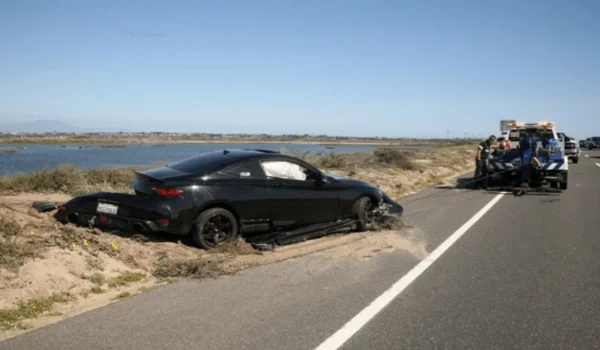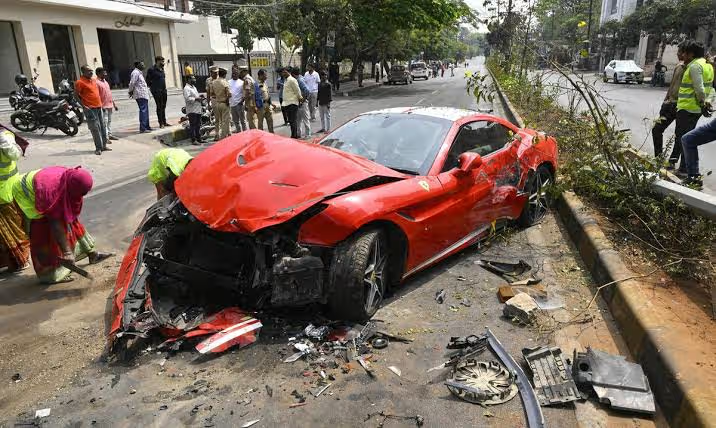
A car accident can quickly become a legal and financial problem, especially when someone is injured, a driver disputes responsibility, or an insurance company refuses to pay what the injured person believes is appropriate. Understanding how a car accident case works can help you know what to expect after a crash.
In the United States, a car accident case may begin as an insurance claim and, if the parties cannot reach an agreement, potentially become a lawsuit. Most car accident claims are resolved without going all the way to trial, although the exact process depends on the facts and the law of the state where the accident occurred.
This guide explains the typical car accident case process, how fault is determined, what evidence can be important, what compensation may be available, and when a lawsuit may become necessary.
What Is a Car Accident Case?

A car accident case is a legal claim arising from a motor vehicle collision. It may involve property damage, personal injuries, or both.
A case can involve:
- A claim against the at-fault driver’s insurance
- A claim under your own insurance policy
- A personal injury claim
- A property damage claim
- A lawsuit against another driver
- An uninsured or underinsured motorist claim
- A wrongful death claim in a fatal accident
The legal issues depend on what happened, who was involved, the type of losses suffered, insurance coverage, and the law of the applicable state.
How Does a Car Accident Case Start?
A car accident case usually begins immediately after the collision, even if no lawsuit has been filed.
The initial steps may include:
- Reporting the accident when required
- Obtaining medical treatment
- Gathering information from the scene
- Notifying the insurance company
- Investigating who was responsible
- Documenting injuries and financial losses
- Making an insurance claim
- Negotiating a potential settlement
If the insurance claim cannot be resolved, a lawsuit may be considered.
How Is Fault Determined in a Car Accident Case?
One of the most important questions is who caused the accident.
Many car accident cases are based on negligence. Generally, the injured person must establish the elements required under applicable law, which can include showing that another driver owed a duty of reasonable care, breached that duty, and caused legally recognized harm.
Evidence may include:
- Police reports
- Accident-scene photographs
- Dashcam footage
- Traffic-camera footage
- Witness statements
- Vehicle damage
- Medical records
- Driver statements
- Traffic citations
- Cellphone evidence where legally obtainable
- Accident reconstruction evidence
Fault is not always straightforward. Two or more drivers may share responsibility for a collision.
What If Both Drivers Were at Fault?
States have different rules for situations where an injured person contributed to an accident.
Depending on the state, a person’s recovery may be reduced according to their percentage of fault, or other rules may apply. Therefore, being partly responsible does not have the same legal effect in every state.
This is one reason a car accident case should be evaluated under the law applicable to the accident rather than relying on a nationwide assumption.
What Evidence Is Important in a Car Accident Case?
Evidence can make a significant difference when liability or damages are disputed.
Photos and Videos
Pictures of vehicle damage, road conditions, traffic signs, injuries, and the accident scene can help document what happened.
Police Report
A police report may contain information about the crash, statements from drivers and witnesses, and observations by the responding officer.
However, a police report is only one piece of evidence and does not necessarily determine legal liability.
Medical Records
Medical records can document the nature of injuries, treatment received, and related expenses.
Witness Statements
People who saw the accident may provide useful information about traffic conditions, vehicle movements, and what happened immediately before the collision.
Financial Records
Pay stubs, employment records, medical bills, repair estimates, and receipts may help document economic losses.
What Compensation Can You Get From a Car Accident Case?
The amount and types of compensation available depend on the circumstances and applicable state law.
Potential damages may include:
| Type of Compensation | What It May Cover |
| Medical expenses | Emergency care, hospitalization, medication and treatment |
| Future medical costs | Reasonably anticipated accident-related treatment |
| Lost wages | Income lost because of the accident |
| Reduced earning capacity | Certain long-term effects on the ability to earn |
| Property damage | Repair or replacement of a damaged vehicle |
| Rehabilitation | Certain recovery and therapy expenses |
| Pain and suffering | Certain non-economic losses where allowed |
| Other damages | Additional losses permitted by applicable law |
Not every person will qualify for every category. The value of a case depends on evidence, injuries, liability, insurance coverage, and state law.
How Does the Car Accident Insurance Claim Process Work?
Most cases start with an insurance claim rather than a lawsuit.
After the accident, the insurer may investigate:
- How the accident happened
- Whether its insured driver was responsible
- Whether the policy provides coverage
- The extent of the claimed injuries
- Medical treatment
- Lost income
- Vehicle damage
- Other claimed losses
For an injury claim, settlement negotiations often occur after there is sufficient medical information to understand the person’s losses. Settling too early can create problems if the full extent of an injury is not yet known.
What Happens If the Insurance Company Denies the Claim?
An insurance company may dispute liability, coverage, the severity of injuries, or the amount of damages.
If negotiations fail, the claimant may have several options depending on the circumstances:
- Provide additional evidence
- Challenge the insurer’s position
- Continue settlement negotiations
- Consult a car accident attorney
- File a lawsuit when legally appropriate
A lawsuit is not automatically necessary simply because an insurance company initially rejects or disputes a claim.
When Should You Consider a Car Accident Lawsuit?
A lawsuit may become an option when the parties cannot reach an acceptable settlement.
Common reasons may include:
- The other driver denies fault.
- The insurance company disputes liability.
- The parties disagree about the value of the injuries.
- The available insurance coverage is insufficient.
- The claim involves substantial damages.
- There are multiple potentially responsible parties.
- Settlement negotiations have failed.
Before filing, the claimant generally needs to consider the strength of the evidence, potential damages, litigation costs, collectability, and the applicable filing deadline.
What Is the Car Accident Lawsuit Process?
If a car accident case proceeds to court, the process generally involves several stages.
- Filing the Complaint
The plaintiff files a complaint or similar document with the appropriate court. It generally describes the parties, facts of the accident, legal basis for the claim, and alleged damages.
- Serving the Defendant
The defendant must be formally served with the lawsuit according to the applicable procedural rules.
- Defendant’s Response
The defendant typically responds to the allegations and may raise defenses.
- Discovery
During discovery, both sides exchange information and evidence relevant to the case.
This can involve:
- Written questions
- Requests for documents
- Medical records
- Depositions
- Expert evidence
Discovery can take months or longer depending on the complexity of the case.
- Settlement Negotiations
A case can settle at almost any stage. In fact, most car accident cases settle rather than proceed to a full trial.
- Trial
If the case does not settle, it may proceed to trial before a judge or jury, depending on the circumstances.
The parties present evidence and arguments, and the court or jury determines the issues that remain for decision.
How Long Does a Car Accident Case Take?
There is no fixed timeline.
A straightforward insurance claim involving minor injuries may be resolved relatively quickly. A serious injury case involving disputed liability can take substantially longer.
If a lawsuit is filed, the process can take a year or more in some cases. Discovery, motions, settlement negotiations, court schedules, and the complexity of the evidence can all affect the timeline.
Therefore, someone asking “How long does a car accident case take?” should be cautious about any attorney or website promising an exact timeframe without knowing the facts.
How Long Do You Have to File a Car Accident Case?
Every U.S. state has statutes of limitations that establish deadlines for filing certain lawsuits. The deadline can vary depending on the state and type of claim.
For example, personal injury and property damage claims can have different deadlines, and special rules may apply when a government entity is involved.
Because missing the applicable deadline can prevent a person from pursuing a lawsuit, it is important to identify the correct deadline early.
There is no single nationwide car accident lawsuit deadline.
Should You Hire a Car Accident Attorney?
You do not necessarily need an attorney for every accident.
A minor crash with no injuries, clear responsibility, and straightforward property damage may be easier to handle directly with the insurance company.
Legal advice may be particularly useful when:
- Injuries are serious.
- Medical treatment is ongoing.
- Fault is disputed.
- Multiple drivers are involved.
- The insurance company denies the claim.
- The insurer disputes your injuries.
- You have significant lost income.
- The accident resulted in permanent impairment.
- The available insurance coverage is complicated.
- A lawsuit may be necessary.
An attorney can investigate the facts, assess potential claims, negotiate with insurers, and handle litigation when appropriate.
What Mistakes Can Hurt a Car Accident Case?
Certain mistakes can make an accident claim more difficult.
Failing to Get Medical Attention
If you are injured, delaying appropriate medical evaluation can make it harder to document the nature and timing of your injuries.
Losing Evidence
Photos, videos, witness information, medical records, and other evidence may become harder to obtain as time passes.
Giving Inaccurate Information
Do not guess about what happened. Provide accurate information and correct mistakes when you discover them.
Accepting a Settlement Too Quickly
A settlement generally involves a release of claims. Once a settlement and release are finalized, reopening the claim can be difficult or unavailable except in limited circumstances.
Ignoring the Filing Deadline
Even if settlement negotiations are ongoing, the applicable statute of limitations still needs to be considered.
Frequently Asked Questions
How much is an average car accident case worth?
There is no reliable nationwide average that applies to every accident. The value can depend on injuries, medical expenses, lost income, property damage, liability, insurance coverage, and applicable state law.
Can I sue after a car accident?
Potentially. Whether you have a viable lawsuit depends on the facts of the accident, applicable law, evidence, damages, insurance, and filing deadlines.
How long does a car accident lawsuit take?
A lawsuit can take many months or longer. Some cases settle relatively early, while cases involving substantial disputes and extensive discovery can take a year or more.
What if I was partly responsible for the accident?
You may still have a claim in some states, but the effect of your own fault depends on the state’s rules.
Can I settle a car accident case without going to court?
Yes. Most car accident claims are resolved through settlement rather than a full trial.
What happens if the other driver has no insurance?
Your options may include applicable uninsured or underinsured motorist coverage, depending on your policy and state law. Other legal options may also exist depending on the driver’s assets and circumstances.
Final Thoughts
A car accident case can begin as a simple insurance claim but become more complicated when injuries, disputed fault, significant financial losses, or inadequate insurance coverage are involved.
The typical process may include accident investigation, an insurance claim, evidence collection, settlement negotiations, and, when necessary, a lawsuit. Most cases resolve before trial, but serious disputes can lead to litigation.
Because car accident laws differ from state to state, issues such as shared fault, damages, insurance requirements, and lawsuit deadlines should be evaluated according to the law applicable to the particular accident.
This article provides general legal information for educational purposes and is not a substitute for advice from a licensed attorney.