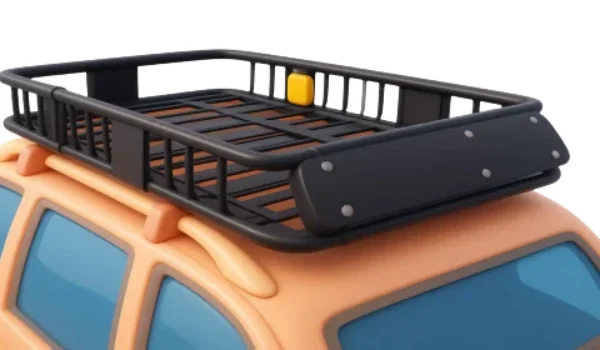
Many people don’t immediately consider a roof rack failure a potential cause of a car accident. Yet a roof rack is a common source of danger on streets, highways, and open roads. Also known as a cargo or luggage rack, this tool provides a driver with extra, convenient space to store items when they don’t have enough room in their vehicle’s cab, trunk, or, when applicable, truck bed.
The risk of an accident increases when a roof rack or stored items aren’t secured properly to the top of a vehicle. If an accident occurs, the driver is usually held responsible, unless a manufacturer or dealer installed a defective rack or improperly installed a functional one. The victim or victims of the accident often struggle with disruptions and expenses related to damaged property, one or more injuries, medical bills, and other serious losses.
A victim or their loved ones typically hire a skilled car accident lawyer like those at Bey & Associates to file insurance and court claims and help them obtain monetary compensation for economic and non-economic damages. If the vehicle manufacturer or dealer has a history of roof rack failures, they might also demand punitive damages.
The Immediate Danger of an Improperly Secured Roof Rack
Traffic experts and lawyers usually refer to three scenarios when talking about the main threat of a roof rack failure:
– Improper installation or maintenance of the rack
– Use of incompatible third-party parts instead of OEM parts
– Improper handling of tie-down tools, carriers, and other accessories
Beyond improper installation by a manufacturer or dealer, a driver might have failed to properly install accessories. They might have also failed to inspect and repair a noticeably damaged, defective, or loose rack. Someone might have used parts on the rack that were never safety-tested for the specific model. Additionally, a driver might have used the wrong storage, tie-downs, or other accessories or failed to secure stored items tightly in place to prevent movement.
These actions typically cause debris to fall off the rack and rain down on other vehicles, the asphalt, and nearby property. The most common items that cause traffic accidents are:
– Parts of the roof rack or the entire system
– A bottom basket, side bars, or other accessories
– Bungee cords and nets or nylon tie-down straps
– Uncovered items of different shapes and sizes
– Hard-shell, chest- or sled-shaped cargo carriers
– Soft-sided, plastic, waterproof cargo bags or boxes
Some of these objects can weigh hundreds of pounds. A cargo carrier, also known as a hard-shelled box, can be larger than a small boat. Items that drivers often store on roof racks, such as bicycles and kayaks, frequently have dangerous jutting or sharp parts.
Any of these items can slide forward, backward, or off the side of a vehicle’s roof during braking, acceleration, or turning, especially at high speeds and on a sharp curve. A collision can shoot debris through the air like high-velocity weapon projectiles.
Other Dangers Associated With Poorly Secured Racks
Falling debris is only one danger. A vehicle owner might endanger their life and the lives of others in two other ways:
– They stored a carrier or cargo on the rack that weighs more than the manufacturer’s safe-weight recommendation for prevention of rack or roof structural weakness.
– They stacked a carrier or cargo to a height that’s higher than the recommended roadway clearance level for the specific type of motor vehicle.
If the vehicle owner places too much weight on the rack, the roof, a carrier, or a box, they might cause the roof to bend or warp beneath the weight. During a hard turn or strong crosswinds, the weight might offset the vehicle’s position and cause it to roll over. If the driver needs to stop suddenly, the weight can also force all the items forward and crush the windshield and hood.
Extra weight can damage a driver’s vehicle even without causing a traffic accident. It can loosen bolts securing a rack to the roof and overload parts. Any strain on an automobile above the manufacturer’s safety and tolerance recommendations can make the vehicle burn more fuel and increase maintenance needs over time. It can even cause costly roadside breakdowns, emergency tows, and repairs.
Some drivers also stack items so high that their vehicle can’t clear spaces that typically allow regular traffic to pass through with ease, such as bridge underpasses and drive-thru areas. If they drive under low tree limbs, items secured well within a rack might still be ripped away and thrown to the side of the road or onto nearby people and closely following and parked vehicles.
The Long-Term Costs of a Poorly Secured Roof Rack
The physical state of a roof rack at the time of an accident and even while a vehicle is at rest in a driveway or parking lot can cause significant, expensive damage. Potential victims include the vehicle’s driver and passengers, other drivers and passengers, pedestrians and other vulnerable road users, municipalities, taxpayers, and nearby property owners.
A cargo rack emergency can damage one or more vehicles and cause severe injuries and fatalities. It can force a victim or their loved ones to deal with long medical testing, treatment and rehabilitation, financial losses related to medical expenses and work disruptions, and even severe emotional strain and relationship woes. For these reasons, traffic laws require all drivers to secure roof racks and cargo properly.
A roof rack failure does more than harm individuals. Falling debris can damage roadways, which can lead to expensive infrastructure repairs paid for by taxpayers. It can bring traffic to a standstill and cause severe congestion that forces other road users to arrive late to their destinations when attempting to meet personal and work schedule deadlines. A person stuck in backed-up traffic caused by a roof rack accident could lose their job. An ambulance carrying a critically ill patient could fail to reach a hospital in time to save the patient’s life.
Any person responsible for this type of accident usually faces charges and severe financial losses. For example, a manufacturer might have to pay punitive damages in a personal injury lawsuit or deal with fines and penalties from local, state, or federal government entities. The vehicle’s driver might have to pay higher automobile insurance premiums or lose their coverage. From a driving perspective, they might receive moving violation points or even lose their license. They might also have to pay one or more steep fines. If someone dies as a result of their actions, they might even receive jail time.