The Archdiocese of New York has reached an $800 million settlement agreement with approximately 1,300 people who alleged they were sexually abused by clergy members and other church personnel, marking a major development in a legal battle that has continued for more than seven years.
The agreement, announced on October 24, could become the second-largest sexual abuse settlement involving a Catholic archdiocese in the United States. Attorneys representing survivors said the claimants had agreed to the deal, while Archbishop Ronald Hicks confirmed the development in a message to clergy. Formal signatures were still pending at the time of the announcement.
The settlement is intended to compensate survivors who brought claims against the church over alleged abuse. It also represents a significant financial challenge for one of the country’s largest Catholic institutions, which has been working to secure funds for the resolution of the cases.
For survivors, the agreement follows years of legal proceedings and efforts to obtain compensation and accountability for experiences that, in many cases, date back decades.
What Does the $800 Million Settlement Mean?
The proposed agreement would resolve claims filed by approximately 1,300 people who said they were sexually abused by clergy members and other personnel associated with the Archdiocese of New York.
Jeff Anderson, an attorney representing survivors, said all claimants had agreed to the settlement. The archdiocese also confirmed that an agreement had been reached, although the paperwork still needed to be signed before it could become final.
The settlement follows years of litigation involving allegations of abuse and questions about institutional accountability.
Key details include:
| Detail | Information |
| Settlement amount | $800 million |
| Institution | Archdiocese of New York |
| Number of claimants | Approximately 1,300 |
| Announcement | October 24, 2026 |
| Nature of claims | Alleged sexual abuse by clergy and other church personnel |
| Legal background | More than seven years of litigation |
| Status at announcement | Agreement reached; formal signatures pending |
The settlement should not be confused with a criminal conviction or a finding that every allegation has been individually proven in court. It is a negotiated resolution of civil claims.
Why the Settlement Is a Major Development
The $800 million agreement would rank among the largest settlements involving sexual abuse claims against a Catholic archdiocese in the United States.
The Archdiocese of Los Angeles reached an $880 million settlement in 2024 involving approximately 1,000 survivors, in addition to substantial amounts it had paid in earlier claims. In June 2026, the Archdiocese of San Francisco agreed to a $395 million settlement involving approximately 500 claims. The Archdiocese of New Orleans also reached a major settlement in proceedings approved by a federal judge in December 2025.
These cases illustrate the extensive financial and legal consequences religious institutions have faced as survivors pursue civil claims over alleged historical abuse.
For New York, the agreement could bring an end to a prolonged period of litigation and provide a framework for compensating the people who brought claims.
However, financial compensation alone cannot reverse the harm described by survivors. The agreement also places renewed attention on transparency, institutional responsibility and the treatment of abuse allegations.
How New York’s Child Victims Act Changed the Legal Landscape
A significant part of the background is New York’s Child Victims Act, enacted in 2019.
Before the law changed, statutes of limitations prevented some survivors of childhood sexual abuse from bringing civil claims because too much time had passed since the alleged abuse. The Child Victims Act expanded the period in which survivors could sue and created a temporary window for people whose claims had previously been time-barred.
The law allowed eligible survivors to bring civil actions against alleged abusers and institutions that they said had enabled or concealed abuse. Thousands of claims followed against religious organizations and other institutions in New York.
The legislation was important because survivors may take many years to disclose childhood abuse or pursue legal action. Some only come forward after reaching adulthood, while others begin legal proceedings decades after the events they describe.
The resulting cases have forced institutions to confront allegations from earlier periods and negotiate compensation for claims that might otherwise have been blocked by time limits.
Financial Pressure on the Archdiocese
The scale of the settlement presents a major financial challenge for the Archdiocese of New York.
In December 2025, the archdiocese agreed to mediation over approximately 1,300 abuse claims. It also announced cost-cutting measures and plans to sell some Manhattan properties as part of efforts to raise money for compensation. The initial fundraising target reported at the time was $300 million.
The newly announced $800 million agreement is substantially larger than that initial target, underscoring the financial consequences of resolving the claims.
The settlement could also reduce the risk of bankruptcy, which might otherwise complicate the process of paying survivors and prolong litigation. However, the final financial arrangements and payment process depend on the terms of the signed agreement.
The archdiocese serves a substantial Catholic community across New York City and surrounding counties. Its responsibilities include religious services, education and charitable work, making the financial resolution consequential for the institution and its wider community.
Archbishop Ronald Hicks Responds to the Agreement
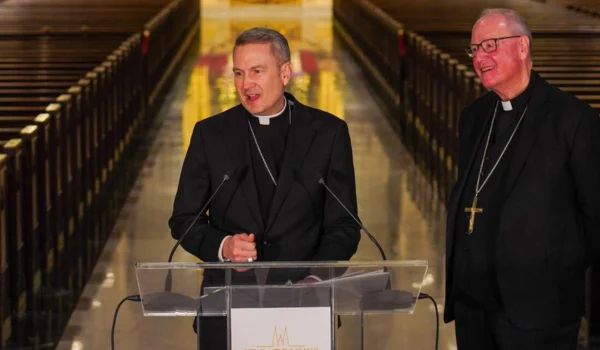
Archbishop Ronald Hicks addressed the agreement in an email to clergy on October 24.
He expressed hope that the settlement would bring some measure of healing and reconciliation to survivors and allow the archdiocese to refocus on its religious and community mission. His message acknowledged the importance of reaching an agreement while the formal signing process remained outstanding.
Attorneys for survivors also described the agreement as a significant step after years of legal efforts. Jeff Anderson said the claimants’ determination had helped advance accountability and potentially protect others in the future.
Survivors have expressed different emotions about the outcome, including sorrow over the abuse they say they experienced and relief that a lengthy legal struggle may be nearing its conclusion. Compensation can provide practical support, but the personal consequences of abuse can continue long after litigation ends.
What Happens Next?
The next major step is formal execution of the settlement documents. The Associated Press reported that the parties expected to sign the agreement during the week of November 6, 2026. Until the required paperwork is completed, the agreement should not be described as fully finalized.
After the agreement becomes final, the settlement’s implementation will determine how eligible claimants receive compensation and how the other agreed obligations are carried out.
The settlement also raises continuing questions about transparency. Survivors and their representatives have emphasized the importance of accountability and making information about credibly accused church personnel available. The specific obligations will depend on the final agreement.
The case is part of a broader national reckoning over allegations of sexual abuse within religious institutions. Even as individual settlements resolve civil claims, other institutions continue to face lawsuits and demands for disclosure.
Conclusion
The Archdiocese of New York’s $800 million settlement agreement marks a major turning point in a long-running legal battle involving approximately 1,300 people who alleged sexual abuse by clergy and other church personnel.
The agreement could provide compensation and a measure of closure for survivors while helping the archdiocese address a substantial legal and financial challenge. Its significance extends beyond the payment itself, highlighting the lasting impact of historical abuse allegations and the importance of institutional accountability.
The agreement had been reached and accepted by the claimants as reported on October 24, but formal signatures were still pending. The next stage will be to finalize the paperwork and carry out the settlement’s terms.