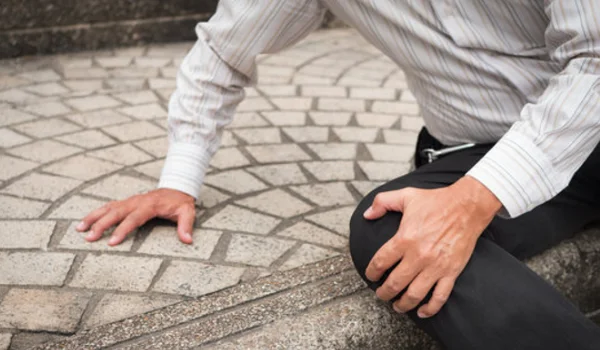
Uneven sidewalks and broken pavement can turn an ordinary walk into a serious accident. Raised concrete slabs, deep cracks, loose paving stones, and sudden changes in surface height can cause pedestrians to trip, lose balance, and fall. These incidents may result in sprains, fractures, head injuries, and other complications that affect a person’s ability to work and carry out daily activities.
With approximately 3.8 million residents and nearly 50 million visitors each year, Los Angeles has busy commercial districts, residential neighborhoods, public transportation stops, and heavily used pedestrian routes. Residents and visitors depend on sidewalks to reach workplaces, shops, schools, and public facilities. When pavement deteriorates, or maintenance falls behind, these everyday journeys can become dangerous.
When a hazardous walkway contributes to an injury, understanding a slip-and-fall accident in LA can help an injured person explore possible legal options. Responsibility depends on the location of the defect, who controlled the area, and whether the responsible party failed to meet an applicable duty of care.
Common Sidewalk Hazards That Cause Falls
Sidewalk defects can develop because of weather exposure, ground movement, tree roots, construction work, or inadequate maintenance. Recognizing these hazards helps explain how an apparently minor pavement problem can cause a serious fall.
Raised Concrete and Uneven Slabs
Tree roots, shifting soil, and nearby construction can push sections of the sidewalk out of alignment. One slab may rise above another, creating an unexpected edge that catches a pedestrian’s shoe or toe. The resulting stumble may cause someone to fall forward or land awkwardly on their hands, knees, or face.
Cracks, Holes, and Broken Pavement
Cracks can widen over time, while missing concrete may leave holes and sharp edges. These defects can cause a foot to catch, an ankle to twist, or a pedestrian to lose balance while walking. Their danger increases when pedestrians cannot easily distinguish damaged sections from the surrounding pavement.
Loose and Slippery Surfaces
Loose paving stones, gravel, and crumbling concrete can shift beneath a pedestrian’s feet. Rain, algae, fallen leaves, and pooled water can also reduce traction or conceal damaged areas. Poor drainage may hide a hole beneath a puddle, leaving pedestrians unaware of the danger until they step into it.
Poor Lighting and Obstructed Walkways
Broken pavement becomes harder to navigate when streetlights are inadequate or nearby objects block a pedestrian’s view. Construction materials, overgrown vegetation, rubbish bins, and poorly placed equipment may force people to walk around obstacles and onto damaged surfaces. These conditions can increase the likelihood of a fall, particularly after dark.
How Sidewalk Defects Lead to Serious Injuries
A fall often happens within seconds. A pedestrian may catch a foot on a raised slab, lose balance while stepping into a hole, or slip on wet concrete. Carrying shopping bags, using a phone, pushing a stroller, or avoiding other pedestrians can make it harder to recover balance.
The resulting injuries vary according to the height of the fall, the surface, and how the person lands. Common injuries include wrist fractures, ankle sprains, knee damage, shoulder injuries, back pain, and concussions. Older adults may face a greater risk of serious complications from falls, while children can suffer injuries when they strike their heads or other vulnerable areas.
Some injuries require surgery, physical therapy, or extended time away from work. Others may cause lasting pain or limit mobility. Medical evaluation is important because symptoms such as headaches, dizziness, and worsening pain may not appear immediately.
Who May Be Responsible for an Unsafe Sidewalk?
Responsibility depends on ownership, control, maintenance duties, and whether a failure to meet those duties contributed to the accident. A property owner, business, contractor, or public agency may be responsible in certain circumstances, but a fall alone does not establish legal liability.
Property Owners and Businesses
An owner or business may face a claim if it had a duty to maintain a walkway, knew or reasonably should have known about a dangerous defect, and failed to take appropriate action. For example, ignoring repeated complaints about a raised slab near a business entrance may become relevant if someone later trips over it.
The specific duty depends on the property, applicable laws, and the circumstances. Investigators may examine maintenance records, inspection reports, prior complaints, and the duration the defect existed.
Public Agencies and Government Property
A city or public agency may be liable for a dangerous condition on public property when the legal requirements are satisfied. Under California Government Code section 835, a claim generally requires a dangerous condition that created a foreseeable risk of injury and a qualifying connection to a public employee’s negligence or the agency’s notice of the condition.
The California Courts’ guidance on dangerous conditions of public property explains the legal elements that may apply. A public agency is not automatically responsible whenever someone falls on a sidewalk, and special rules may affect the claim.