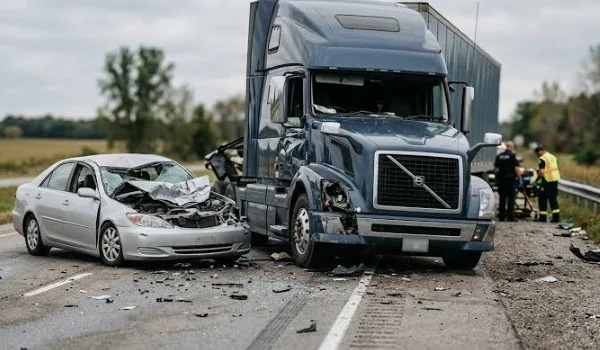
A serious truck accident can leave injured people facing hospital bills, lost income, and uncertainty about their future. Understanding the available options after a truck accident can help victims and their families make informed decisions while they recover. When a large commercial carrier is involved, the claim may require a closer look at driver conduct, company safety practices, vehicle maintenance, and insurance coverage. Taking the right steps early can help protect important evidence and preserve the opportunity to seek fair compensation.
Why Truck Accident Claims Can Be Complicated
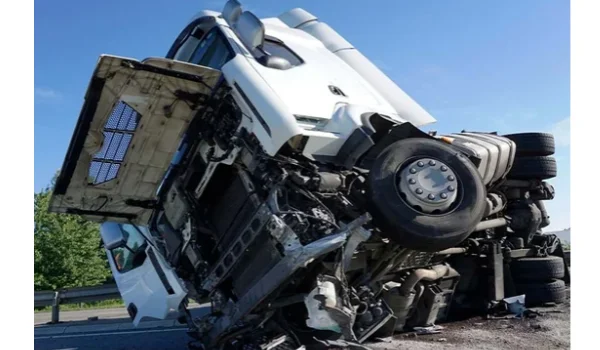
Truck accidents often involve more than two drivers and their insurance companies. A commercial truck may be owned by one business, operated by a driver employed by another, and maintained by an outside contractor. A separate company may also be responsible for loading the cargo. Each relationship can raise questions about who contributed to the crash.
The size and weight of commercial trucks can also lead to serious injuries, including broken bones, spinal cord damage, traumatic brain injuries, and internal injuries. Some people require surgery, rehabilitation, or long-term assistance with daily activities.
These circumstances make it important to understand the available options after a truck accident before accepting an insurance offer or signing documents that could affect a future claim.
Get Medical Care and Keep Records
Medical care should come before concerns about a legal claim. Anyone who may have suffered an injury should seek prompt medical attention, even if symptoms seem manageable at first. Some injuries, particularly head injuries, may not become obvious until hours or days later.
The Centers for Disease Control and Prevention explains that concussion symptoms can affect memory, concentration, sleep, mood, and physical well-being. Its guidance on traumatic brain injury symptoms also identifies warning signs that require immediate medical attention.
Follow the treatment plan provided by healthcare professionals and attend recommended appointments. Keep copies of medical records, prescriptions, bills, and rehabilitation expenses. If injuries prevent you from working, save pay statements and other records showing lost income.
A clear record of treatment can help explain how the collision affected your health and daily life. It can also help establish which expenses and future care needs may be connected to the accident.
Preserve Evidence Before It Disappears
Evidence can play a major role in determining what caused a truck accident and who may be responsible. However, some records are controlled by trucking companies, insurers, or outside service providers. Important information may become harder to obtain as time passes.
When possible, preserve photographs of the vehicles, the crash scene, road conditions, visible injuries, and damaged property. Keep contact information for witnesses and obtain a copy of the police report when it becomes available.
Commercial truck cases may also involve records that are not usually part of an ordinary car accident claim, such as:
- Driver logs and work schedules that may show hours behind the wheel.
- Vehicle inspection, repair, and maintenance records.
- Electronic data from the truck and available onboard systems.
- Cargo loading records and information about weight distribution.
- Driver qualification, training, and employment records.
- Dispatch messages, delivery schedules, and company safety policies.
These materials may help investigators determine whether fatigue, mechanical failure, unsafe loading, poor training, or another factor contributed to the collision. An attorney can assess whether formal requests or other legal steps are needed to preserve relevant evidence.
Identify Everyone Who May Be Responsible
The truck driver is not always the only party who may bear responsibility. Depending on the evidence, a trucking company could be liable for its own negligence or legally responsible for an employee’s conduct. A maintenance contractor, cargo loader, vehicle manufacturer, or another driver may also have contributed to the crash.
For example, a carrier that ignores repeated brake problems may face questions about its maintenance practices. A company that pressures drivers to meet unrealistic schedules may raise concerns about fatigue and unsafe working conditions. A cargo loading business could become relevant if an improperly secured load caused the truck to lose control.
Not every party connected to a truck automatically becomes liable. Responsibility depends on the facts, applicable law, and available evidence. A careful investigation helps separate possible claims from assumptions and identifies the parties whose actions may have caused the injuries.