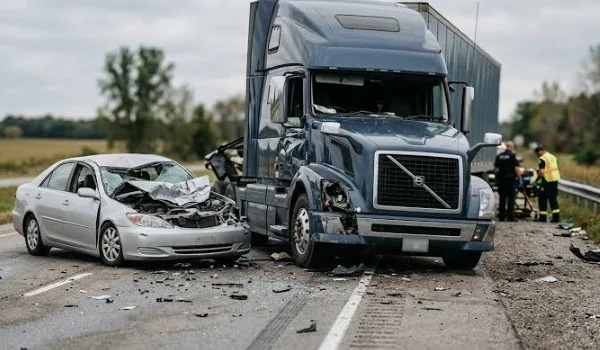
A motorcycle crash can change your plans in a split second. If another driver caused your wreck, getting motorcycle accident legal assistance in Stevens Point early can protect your health, your money, and your right to fair payment. This guide explains what injured riders in central Wisconsin should know, using plain language, so you can make smart choices while you heal.
The riding season in Stevens Point is short, so people pack plenty of miles into the warm months. That also means more bikes sharing the road with cars, pickup trucks, and farm equipment. Knowing your rights before trouble starts is one of the best safety tools any rider can carry.
Local Roads That Test Every Rider
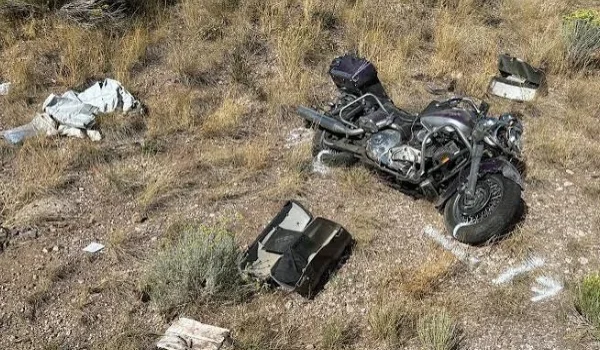
Stevens Point sits where Highway 10 crosses Interstate 39, so steady through traffic mixes with local drivers every day. Merging lanes and fast exits leave little room for error. A driver who checks one mirror and skips the blind spot can clip a bike before the rider has time to react.
Closer to downtown, Division Street and Church Street carry heavy stop and go traffic. Across the country, drivers turning left in front of riders cause a large share of motorcycle crashes, and these busy corridors are no exception. A driver waiting to turn often judges the gap by the size of the oncoming vehicle. Because a motorcycle looks small, it can seem farther away and slower than it really is.
Outside town, rural roads in Portage County bring their own problems. Gravel spills near field entrances, deer at dusk, and frost heaves left over from winter can knock a bike off balance. When a road crew or property owner leaves a hazard in place, they may share the blame for a crash.
The First Hours After a Crash
The steps you take right after a wreck can shape your whole claim. If you are able, try to do the following:
- Call 911 so officers from the Stevens Point Police Department or the Portage County Sheriff’s Office can write a report.
- See a doctor the same day, even if you feel fine, because adrenaline can hide head, neck, and back injuries.
- Take photos of both vehicles, the road surface, skid marks, and your riding gear.
- Ask witnesses for their names and phone numbers before they leave the scene.
- Keep your damaged helmet, jacket, and boots, since they can show how hard the impact was.
Wisconsin law also requires drivers to report crashes that cause injury, death, or at least $1,000 in property damage. Having a police report on file early helps prove the basic facts later.
Wisconsin Rules That Shape Your Claim
Adult riders in Wisconsin can legally ride without a helmet. Under the state’s motorcycle helmet law, riders under 18 and anyone riding on an instruction permit must wear one. Skipping a helmet is legal for most adults, but an insurer may still argue that it made a head injury worse.
Fault matters even more. Wisconsin follows a comparative negligence rule that lets you recover money as long as your share of the blame is not greater than the other driver’s share. Your award then drops by your percentage of fault. For example, if a jury finds you 20 percent at fault for a $100,000 loss, you would receive $80,000.
Lane splitting is not allowed in this state. If a crash happens while a rider is moving between lanes of traffic, expect the other side to raise that point again and again.
Talking With Insurance Adjusters
Within days, an adjuster for the other driver may call. They may sound friendly, but their job is to keep payouts low. Some ask for a recorded statement and then pick apart small details. Others offer a quick check before you know how serious your injuries are.
You do not have to give the other driver’s insurer a recorded statement. It is often wiser to let a lawyer handle those talks. An attorney who has handled claims in the Portage County courthouse can push back on lowball offers and on the tired idea that all riders are reckless.
Deadlines That Can Close the Door
Most injury lawsuits in Wisconsin must be filed within three years of the crash. That sounds like plenty of time, yet evidence fades fast. Business security footage may be erased within weeks, and witnesses forget what they saw.
Claims against a government body follow stricter rules. If a plow left a ridge of ice or a pothole was ignored for months, you usually must file a written notice of claim within 120 days. Missing that window can wipe out a claim against the city of Stevens Point or the county before it ever begins.
The Real Cost of Healing
Motorcycle injuries tend to be severe. Broken legs, road rash that needs skin grafts, spinal damage, and brain injuries can mean months away from work. Many riders in this area are treated at Aspirus Stevens Point Hospital and later move on to physical therapy closer to home.
A fair settlement should cover more than the first hospital bill. It can include future medical care, lost paychecks, reduced earning power, repairs to your bike and gear, and the pain that lingers long after the casts come off. Keep every receipt, pay stub, and doctor’s note in one folder. Small records add up and make your losses harder to dismiss.
Quick Answers for Injured Riders
Can I still file a claim if I was not wearing a helmet? Yes. Riding without a helmet does not bar your claim, though it may affect the value of certain injuries.
Does it cost money to talk with a lawyer? Many injury firms in Stevens Point offer a free first meeting and only get paid if they recover money for you.
Can a passenger make a claim? Yes. A passenger can seek payment from whichever driver caused the crash, including the person operating the motorcycle.
Moving Forward After the Crash
Getting back on the road starts with caring for your body and your legal rights at the same time. Write down everything you remember, follow your treatment plan, and avoid posting about the wreck on social media. Then talk with an experienced Stevens Point injury lawyer who can study the facts, explain your options, and help you pursue the full amount you deserve.