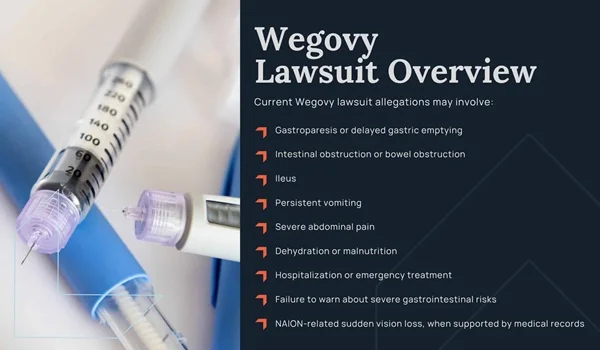
Weight-loss medications like Wegovy have become extremely popular in the United States, but growing reports of serious side effects have also triggered lawsuits against manufacturers of GLP-1 drugs.
One issue receiving increasing legal attention is gallbladder injury.
Patients across the country are now asking questions like:
- Can Wegovy cause gallbladder problems?
- Is there a Wegovy gallbladder lawsuit?
- What symptoms are people reporting?
- Can patients sue after gallbladder surgery?
- What compensation might be available?
While many people use Wegovy successfully, lawsuits claim some users developed serious gallbladder complications and argue that the risks may not have been fully explained.
This guide explains the Wegovy gallbladder lawsuit situation in simple language, including the alleged side effects, legal claims, possible compensation, and what affected patients should know.
What Is Wegovy?
Wegovy is a prescription medication approved for chronic weight management.
It contains:
- Semaglutide
the same active ingredient used in:
- Ozempic
The drug works by:
- Reducing appetite
- Slowing digestion
- Helping patients feel full longer
Wegovy is manufactured by:
- Novo Nordisk
Why Are Gallbladder Lawsuits Being Filed?
Some lawsuits claim patients developed serious gallbladder complications after using Wegovy or similar GLP-1 medications.
Plaintiffs often argue that manufacturers:
- Failed to provide adequate warnings
- Understated gallbladder risks
- Did not fully explain possible complications
Not every patient experiences these issues, but legal claims focus on severe or unexpected injuries.
Gallbladder Problems Mentioned in Wegovy Lawsuits
Several gallbladder-related conditions appear in lawsuits and medical discussions involving GLP-1 drugs.
Commonly Reported Problems Include:
- Gallstones
- Gallbladder inflammation
- Gallbladder infections
- Bile duct blockage
- Gallbladder removal surgery
Some patients reportedly required:
- Emergency treatment
- Hospitalization
- Surgery
What Does the Gallbladder Do?
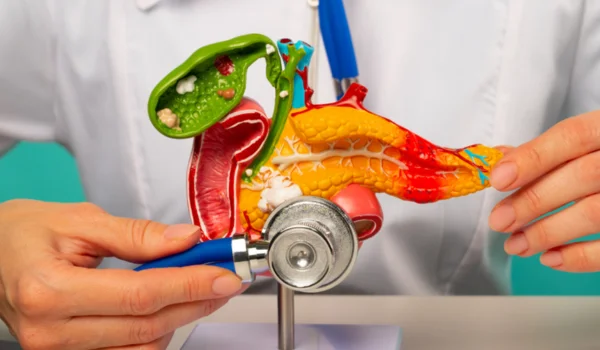
The gallbladder stores bile, which helps digest fats.
Problems can develop when:
- Gallstones form
- Bile flow becomes blocked
- Inflammation occurs
Symptoms may range from mild discomfort to severe medical emergencies.
Symptoms Patients Commonly Report
People reporting gallbladder complications often describe:
- Severe upper abdominal pain
- Pain after eating
- Nausea
- Vomiting
- Fever
- Digestive problems
- Pain spreading to the back or shoulder
Some symptoms can become serious quickly and require emergency care.
Why Weight-Loss Drugs May Affect the Gallbladder
Rapid weight loss itself can increase gallbladder risks.
Additionally, GLP-1 medications like Wegovy affect:
- Digestion
- Appetite
- Gastrointestinal activity
Lawsuits argue these effects may contribute to gallbladder complications in some patients.
Main Allegations in Wegovy Gallbladder Lawsuits
| Allegation | What Plaintiffs Claim |
| Failure to warn | Patients allegedly were not fully warned about gallbladder risks |
| Inadequate labeling | Warning information was allegedly insufficient |
| Negligence | Manufacturer allegedly failed to properly address risks |
| Defective design | Drug allegedly creates unreasonable dangers |
| Financial damages | Patients suffered medical costs and lost income |
The manufacturer disputes many allegations, and litigation remains ongoing.
Are Gallbladder Risks Already Listed on Wegovy Labels?
The U.S. Food and Drug Administration approved labeling for Wegovy already includes certain warnings involving:
- Gallbladder disease
- Gallstones
- Gastrointestinal side effects
However, lawsuits often argue:
- The warnings were not strong enough
- Patients did not understand the severity of the risks
- Certain complications were underemphasized
Can Gallbladder Surgery Lead to a Lawsuit?
Possibly.
Some patients pursuing legal claims reportedly experienced:
- Gallbladder removal surgery
- Hospital stays
- Severe complications
- Long-term digestive problems
Whether someone qualifies depends on:
- Medical evidence
- Timing
- Drug history
- Individual circumstances
Simply having gallbladder surgery does not automatically create a legal claim.
Is This a Class Action Lawsuit?
Many Wegovy-related lawsuits are more likely to proceed through:
- Mass tort litigation
- Multidistrict litigation (MDL)
rather than one traditional class action lawsuit.
Difference Between Class Actions and MDLs
| Legal Type | Explanation |
| Class Action | One case represents many people together |
| MDL | Individual lawsuits are grouped for efficiency while remaining separate |
Most pharmaceutical injury lawsuits use MDL structures because injuries vary from person to person.
Who May Qualify for a Wegovy Gallbladder Lawsuit?
Potential claimants may include people who:
- Used Wegovy or related GLP-1 medications
- Developed serious gallbladder complications
- Required hospitalization or surgery
- Suffered long-term medical problems
Evidence often includes:
- Prescription records
- Imaging scans
- Surgical reports
- Hospital records
- Physician documentation
What Compensation Are Plaintiffs Seeking?
Potential damages may include:
- Medical bills
- Lost wages
- Pain and suffering
- Future treatment expenses
- Emotional distress
More severe injuries may involve larger damage claims.
Does Filing a Lawsuit Mean Wegovy Is Unsafe?
No.
Many patients use Wegovy without severe complications.
The key legal question in many lawsuits is whether:
- Risks were adequately disclosed
- Warnings were sufficient
- Manufacturers acted responsibly
That is different from saying the medication harms everyone.
Has Wegovy Been Recalled?
No.
At this time:
- Wegovy remains FDA-approved
- The drug has not been banned solely because lawsuits exist
Lawsuits alone do not prove legal wrongdoing or unsafe design.
Important Evidence in Gallbladder Injury Cases
Strong evidence may include:
- Medical diagnoses
- Surgery records
- Prescription history
- Symptom timelines
- Doctor communications
- Imaging results
Detailed documentation is critical in pharmaceutical litigation.
What Patients Should Do if They Have Symptoms
People taking Wegovy should seek medical care immediately for:
- Severe abdominal pain
- Persistent vomiting
- Fever
- Signs of gallbladder attack
- Digestive emergencies
Medical treatment should always come before legal action.
How Long Do Wegovy Lawsuits Take?
Pharmaceutical lawsuits often take:
- Months
- Sometimes years
Factors include:
- Scientific studies
- Expert testimony
- Settlement discussions
- Court scheduling
Large drug litigation can move slowly.
Common Myths About Wegovy Gallbladder Lawsuits
“Everyone Who Used Wegovy Can Sue”
False.
Most claims require documented injury and evidence.
“A Lawsuit Means the Drug Is Illegal”
False.
FDA-approved medications may still face lawsuits.
“All Gallbladder Problems Are Automatically Caused by Wegovy”
Not necessarily.
Gallbladder disease can have many causes.
“Patients Should Immediately Stop Medication”
Medication decisions should be made with healthcare providers.
Frequently Asked Questions
Q: Can Wegovy cause gallbladder problems?
A: Some patients and lawsuits allege connections between Wegovy and gallbladder complications.
Q: What gallbladder injuries are mentioned in lawsuits?
A: Gallstones, inflammation, infections, and gallbladder removal surgery are commonly discussed.
Q: Is Wegovy still approved by the FDA?
A: Yes.
Q: Can people sue after gallbladder surgery?
A: Possibly, depending on medical evidence and circumstances.
Q: Are Wegovy and Ozempic lawsuits connected?
A: Often yes, because both contain semaglutide.
Final Thoughts
The Wegovy gallbladder lawsuit situation highlights growing concerns surrounding GLP-1 weight-loss medications and possible gastrointestinal complications. While many patients benefit from Wegovy, lawsuits claim some users experienced severe gallbladder injuries and were not adequately warned about the risks.
It is important to remember that litigation is still developing, and allegations alone do not prove wrongdoing. Each case depends heavily on medical records, scientific evidence, and individual patient circumstances.
For patients, the most important step is staying informed, monitoring symptoms carefully, and seeking medical care immediately if serious digestive or gallbladder symptoms develop.