As school safety debates continue across the United States, many parents, teachers, and students are asking an important question:
“Is it illegal to have cameras in classrooms?”
The short answer is:
Usually no — classroom cameras are generally legal in many situations.
However, the law becomes more complicated depending on:
- Whether audio is recorded
- State privacy laws
- Student age
- School policies
- Special education settings
- Hidden vs. visible cameras
Schools must balance:
- Student safety
- Teacher accountability
- Privacy rights
- Educational needs
Because laws vary by state and situation, many people are confused about what schools can legally record and where the legal limits are.
This article explains U.S. classroom camera laws in simple language, including privacy concerns, audio recording rules, parent rights, teacher concerns, and when school surveillance may cross legal boundaries.
Are Classroom Cameras Legal in the United States?
In many cases, yes.
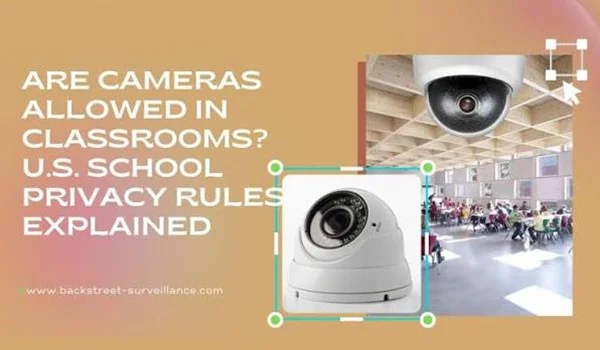
Schools across the U.S. commonly use security cameras in:
- Hallways
- Entrances
- Cafeterias
- School buses
- Parking lots
- Common areas
Many schools also place cameras inside classrooms for:
- Security
- Student behavior monitoring
- Special education safety
- Evidence during disputes
- Teacher protection
Generally, video-only recording in classrooms is legal if done properly.
Why Schools Install Cameras in Classrooms
Schools may use cameras for several reasons.
| Common Reason | Why Schools Use Cameras |
| Student safety | Prevent bullying or violence |
| Teacher protection | Address false accusations |
| Behavioral monitoring | Document classroom incidents |
| Special education support | Protect vulnerable students |
| Security investigations | Review disciplinary events |
| Parent concerns | Increase transparency |
Supporters argue cameras can improve accountability and safety.
Critics worry about privacy, stress, and constant surveillance.
The Biggest Legal Issue: Audio Recording
Video recording is often treated differently from audio recording under U.S. law.
This distinction is extremely important.
Video Recording
Usually more legally acceptable in classrooms.
Audio Recording
May trigger stricter privacy and wiretapping laws.
Some states require:
- One-party consent
- Two-party consent
- Notification before recording conversations
That means a classroom camera with sound may face more legal restrictions than a silent camera.
What Are “Two-Party Consent” States?
Some states require all parties in a conversation to consent before audio recording occurs.
These are often called:
- Two-party consent states
- All-party consent states
In those states, secretly recording classroom conversations could potentially create legal problems.
Are Hidden Cameras in Classrooms Illegal?
Hidden cameras are much more legally risky than visible cameras.
Secret surveillance may raise issues involving:
- Privacy expectations
- Employment rights
- Student protections
- State surveillance laws
Schools that use cameras generally reduce risk by:
- Posting notices
- Informing staff
- Creating written policies
Transparency matters legally.
Do Students Have Privacy Rights in Classrooms?
Yes — but privacy rights in schools are limited compared to private homes.
Courts generally recognize that classrooms are:
- Public educational settings
- Supervised environments
- Places with reduced privacy expectations
However, students still maintain certain rights involving:
- Personal records
- Sensitive information
- Bathroom privacy
- Locker room privacy
Cameras in bathrooms or changing areas are almost always illegal.
Are Cameras Allowed in Special Education Classrooms?
This is one of the fastest-growing legal issues in education law.
Some states have laws specifically allowing or regulating cameras in special education classrooms.
These laws are often designed to:
- Protect vulnerable students
- Monitor abuse allegations
- Assist with behavioral documentation
Supporters say cameras help ensure safety for children who may struggle to communicate abuse or mistreatment.
Opponents worry about:
- Privacy
- Over-monitoring
- Teacher stress
- Misinterpretation of footage
Can Parents Request Cameras in Classrooms?
Sometimes.
Some states allow parents of special-needs students to request cameras under specific conditions.
However:
- Schools are not always legally required to install them
- Policies vary widely by state and district
Parents often raise these requests after:
- Bullying concerns
- Behavioral incidents
- Abuse allegations
- Classroom safety disputes
Can Teachers Refuse Classroom Cameras?
Usually, public school teachers cannot automatically block school-approved security policies.
However, teachers’ unions may negotiate issues involving:
- Monitoring policies
- Recording access
- Privacy protections
- Evaluation use
In some situations, teachers may challenge:
- Secret recordings
- Audio surveillance
- Improper use of footage
Employment law and union contracts can affect these disputes.
Can Classroom Footage Be Used Against Teachers or Students?
Potentially yes.
Video footage may be used during:
- Discipline investigations
- Bullying complaints
- Abuse allegations
- Criminal investigations
- Parent disputes
- Employment hearings
However, schools must usually follow rules regarding:
- Record storage
- Access permissions
- Confidentiality
What Is FERPA and Why Does It Matter?
Family Educational Rights and Privacy Act (FERPA) is a federal law protecting student educational records.
Classroom recordings may become subject to FERPA if they:
- Directly identify students
- Are maintained by the school
- Relate to student behavior or discipline
This can affect:
- Who can access recordings
- Whether parents can request footage
- How schools store video files
Are School Cameras Monitored Live?
Sometimes yes, sometimes no.
Schools may:
- Record footage only
- Monitor live feeds
- Store footage temporarily
- Use motion-triggered systems
Policies vary widely between districts.
Common Legal Concerns About Classroom Cameras
Here are some of the biggest concerns schools face.
| Legal Concern | Why It Matters |
| Student privacy | Children have limited but important rights |
| Audio recording laws | Some states require consent |
| Data security | Footage may contain sensitive information |
| Teacher monitoring | Concerns about constant surveillance |
| Unauthorized sharing | Videos could be leaked online |
| Hidden cameras | Secret recording creates legal risk |
Proper policies are essential for reducing lawsuits and privacy complaints.
Can Students Record Teachers Themselves?
This is a separate legal issue.
Students secretly recording teachers may violate:
- School policies
- State recording laws
- Privacy rules
Especially if audio recording occurs in a two-party consent state.
However, courts sometimes balance these issues against:
- Free speech rights
- Public interest concerns
- Evidence of misconduct
These situations can become legally complicated.
Why Schools Support Classroom Cameras
Schools often argue cameras help:
- Prevent violence
- Resolve disputes quickly
- Protect students and staff
- Provide evidence during incidents
Administrators may also believe cameras discourage:
- Bullying
- Aggression
- Misconduct
After major school safety incidents nationwide, surveillance technology expanded significantly in U.S. schools.
Why Some People Oppose Classroom Cameras
Critics argue cameras may:
- Create anxiety
- Harm trust between teachers and students
- Turn schools into surveillance environments
- Increase privacy concerns
Some educators also worry footage may:
- Be taken out of context
- Be used unfairly during evaluations
- Be shared improperly online
Are Cameras in Bathrooms or Locker Rooms Illegal?
Almost always yes.
Recording in highly private spaces such as:
- Bathrooms
- Locker rooms
- Changing areas
can trigger serious criminal and civil penalties.
These areas carry strong legal expectations of privacy.
What Should Parents Ask Schools?
Parents concerned about classroom surveillance should ask:
- Are cameras recording video only or audio too?
- Who can view footage?
- How long is footage stored?
- Are cameras always active?
- How is student privacy protected?
- Can parents request access to recordings?
Understanding school policy is important.
What Should Teachers Know?
Teachers should:
- Review district surveillance policies
- Understand state recording laws
- Ask about audio recording practices
- Know how footage may be used
Union representatives or employment attorneys may help explain local protections.
Final Thoughts
Classroom cameras are generally legal in many parts of the United States, especially when schools use visible video surveillance for safety and security purposes.
However, the legal situation becomes more complicated when:
- Audio recording is involved
- Cameras are hidden
- Privacy rights are affected
- Footage is misused
Schools must carefully balance student safety with privacy protections, while parents and teachers should understand how surveillance policies work in their specific state and district.
The key legal questions usually involve:
- Consent
- Transparency
- Privacy expectations
- Data handling
- Proper use of recordings
As technology continues expanding in education, classroom surveillance laws will likely remain an important and evolving issue across the United States.