Prescription inhalers are commonly used to treat asthma and chronic obstructive pulmonary disease (COPD), but some medications have also faced lawsuits over alleged side effects and safety concerns. One inhaler that has generated legal attention is Breo Ellipta.
Patients and families searching online often ask:
- Is there a Breo Ellipta lawsuit?
- What side effects are being alleged?
- Can people sue over breathing complications or injuries?
- Has Breo Ellipta been recalled?
- What compensation are plaintiffs seeking?
While many patients use Breo Ellipta successfully, lawsuits and legal investigations involving inhalers and respiratory medications typically focus on claims involving inadequate warnings, side effects, or alleged product risks.
This guide explains the Breo Ellipta lawsuit situation in simple language without heavy legal jargon so patients can better understand the legal and medical issues involved.
What Is Breo Ellipta?
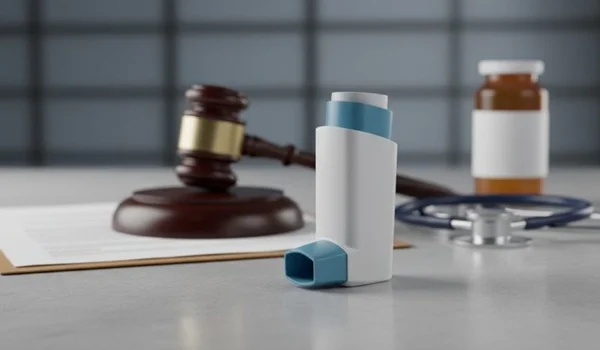
Breo Ellipta is a prescription inhaler commonly used to treat:
- Asthma
- Chronic obstructive pulmonary disease (COPD)
The medication combines:
- Fluticasone furoate (a corticosteroid)
- Vilanterol (a long-acting bronchodilator)
It is manufactured by:
- GlaxoSmithKline
The inhaler is designed to:
- Reduce inflammation
- Open airways
- Improve breathing symptoms
Why Are Lawsuits or Legal Investigations Being Discussed?
Like many prescription medications, Breo Ellipta has faced legal scrutiny over:
- Alleged side effects
- Product warnings
- Marketing claims
- Patient safety concerns
Some lawsuits involving inhalers and respiratory drugs generally claim manufacturers:
- Failed to provide adequate warnings
- Did not fully explain risks
- Marketed products aggressively despite known complications
Not every side effect creates a valid lawsuit, and many claims remain disputed.
Common Side Effects Associated WithBreo Ellipta
According to prescribing information and patient reports, side effects may include:
- Throat irritation
- Oral infections
- Pneumonia risk in some COPD patients
- Increased heart rate
- Headaches
- Respiratory infections
More serious complications discussed in some legal claims may involve:
- Severe breathing problems
- Cardiovascular concerns
- Steroid-related complications
Pneumonia Concerns and COPD Patients
One issue frequently discussed with inhaled corticosteroids involves:
- Increased pneumonia risk in certain COPD patients
Because Breo Ellipta contains a corticosteroid, some patients and lawsuits have raised concerns about respiratory infections and lung complications.
However:
- Risk levels vary
- Not every patient develops complications
- Medical supervision is important
Common Allegations in Medication Lawsuits
| Allegation | What Plaintiffs Usually Claim |
| Failure to warn | Side effects allegedly were not fully disclosed |
| Defective design | Product allegedly carried unreasonable risks |
| Negligent marketing | Advertising allegedly minimized dangers |
| Inadequate instructions | Patients allegedly lacked proper safety guidance |
| Financial damages | Patients suffered medical expenses or lost income |
These are allegations only and must be proven in court.
Has Breo Ellipta Been Recalled?
As of now, Breo Ellipta remains an FDA-approved medication.
A lawsuit or legal investigation does not automatically mean:
- The drug is defective
- The medication has been recalled
- The manufacturer violated the law
Many approved medications face litigation while remaining legally available.
What Is the FDA’s Role?
The:
- U.S. Food and Drug Administration
monitors prescription medication safety, labeling, and approval.
Drug manufacturers must provide:
- Side effect warnings
- Usage instructions
- Risk disclosures
However, lawsuits sometimes argue:
- Warnings were insufficient
- Risks were understated
- New dangers became known later
Can Patients Sue Over Side Effects?
Possibly.
Successful pharmaceutical injury claims usually require:
- A documented injury
- Medical evidence
- A connection between the medication and harm
- Evidence supporting legal liability
Simply experiencing a known side effect does not automatically guarantee compensation.
Types of Injuries That May Lead to Claims
Potential claims sometimes involve:
- Hospitalization
- Severe respiratory complications
- Long-term lung issues
- Serious infections
- Cardiovascular injuries
Every case depends heavily on:
- Medical records
- Prescription history
- Expert opinions
- Timing of symptoms
How Pharmaceutical Lawsuits Usually Work
Step 1: Medical Treatment
The patient receives diagnosis and treatment.
Step 2: Legal Review
Attorneys evaluate:
- Medical records
- Drug usage history
- Severity of injury
Step 3: Filing a Claim
If evidence supports the case, legal claims may proceed.
Step 4: Settlement or Trial
Some cases settle while others go to court.
Are Breo Ellipta Cases Class Actions?
Many pharmaceutical injury claims are handled as:
- Individual lawsuits
- Mass tort litigation
- Multidistrict litigation (MDL)
rather than traditional class actions.
Difference Between Class Actions and MDLs
| Legal Structure | Explanation |
| Class Action | One lawsuit represents a large group together |
| MDL | Individual lawsuits are grouped for efficiency while remaining separate |
Because medication injuries vary significantly between patients, MDLs are common in drug litigation.
Important Evidence in Medication Lawsuits
Strong evidence may include:
- Prescription records
- Hospital records
- Doctor notes
- Imaging results
- Pharmacy records
- Symptom timelines
Detailed documentation is critical.
What Patients Should Do if They Experience Serious Symptoms
Patients using Breo Ellipta should seek medical care immediately for:
- Worsening breathing problems
- Chest pain
- Severe infections
- Persistent coughing
- Difficulty breathing
Medical emergencies should always come before legal concerns.
Why Respiratory Medication Lawsuits Are Complicated
Drug lawsuits often involve:
- Medical experts
- Scientific studies
- FDA regulations
- Complicated causation questions
Manufacturers frequently argue:
- Warnings were adequate
- Risks were known
- Other medical conditions caused the injury
These cases can become highly technical.
Common Myths About Breo Ellipta Lawsuits
“Every Side Effect Means You Can Sue”
False.
Most medications have known risks.
“A Lawsuit Means the Drug Is Unsafe for Everyone”
False.
Many patients use Breo Ellipta successfully.
“FDA Approval Prevents Lawsuits”
False.
Approved medications may still face litigation.
“All Respiratory Problems Are Caused by the Inhaler”
Not necessarily.
Asthma and COPD themselves can create serious health complications.
How Long Do Pharmaceutical Lawsuits Take?
Medication lawsuits may take:
- Months
- Sometimes years
depending on:
- Medical evidence
- Scientific disputes
- Settlement negotiations
- Court schedules
Large pharmaceutical cases often move slowly.
Important Questions Patients Should Ask Doctors
Before starting or continuing respiratory medications, patients may ask:
- What side effects should I watch for?
- What are the infection risks?
- How should I use the inhaler properly?
- What symptoms require emergency care?
- Are there alternative treatments?
Understanding medication risks is important for informed decisions.
Frequently Asked Questions
Q: Is there a Breo Ellipta lawsuit?
A: There have been legal discussions and claims involving respiratory medications and alleged side effects connected to Breo Ellipta.
Q: What side effects are commonly discussed?
A: Pneumonia risks, respiratory infections, and severe breathing complications are commonly mentioned.
Q: Has Breo Ellipta been recalled?
A: No. It remains FDA-approved.
Q: Can patients sue for pneumonia complications?
A: Possibly, depending on medical evidence and circumstances.
Q: Is Breo Ellipta safe for everyone?
A: No medication is risk-free. Patients should discuss benefits and risks with healthcare providers.
Final Thoughts
The Breo Ellipta lawsuit discussion reflects broader concerns surrounding prescription respiratory medications and the balance between treatment benefits and potential side effects. While many patients rely on inhalers like Breo Ellipta to manage asthma or COPD successfully, lawsuits claim some individuals experienced severe complications and were not adequately warned about certain risks.
It is important to remember that lawsuits do not automatically prove wrongdoing, and every case depends heavily on medical evidence, scientific research, and individual patient circumstances.
For patients, the most important step is staying informed, following medical guidance carefully, and seeking prompt medical attention if serious respiratory symptoms develop.