A Floral Park address does not always tell you which government controls the place where you were hurt. The village is in Nassau County, while a nearby neighborhood with the same name is part of Queens. If your injury involved a dangerous sidewalk, public road, or business property, that distinction can affect whom you contact and how quickly you must act. A Floral Park personal injury lawyer can help sort out those questions before crucial information disappears.
Start With the Exact Accident Location
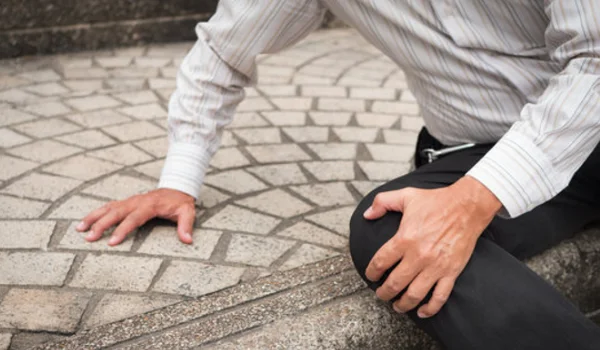
Save the street address, nearby intersection, and photographs showing where the incident occurred. A store entrance, public sidewalk, and parking lot may sit close together yet have different owners or maintenance arrangements. If you slipped near a storefront, do not assume the store controlled the pavement. If a pothole caused a crash, find out which authority maintained that stretch of road.
Check the address on any police or incident report, too. A mailing address may say Floral Park even when the scene falls under a different local authority. This distinction affects which office receives notice.
Where the accident happened matters because it can help you find out who was supposed to keep that place safe. In many negligence cases, you must show that someone had a responsibility to act reasonably, failed to do so, and caused harm as a result. A serious injury alone does not prove another person was careless.
Why Public Property Claims Need Extra Care
An injury involving a village sidewalk is not handled exactly like one involving a private business. Floral Park’s village rules generally require prior written notice to the Village Clerk of specified dangerous conditions on village property, followed by a reasonable opportunity to correct the problem. Courts recognize limited exceptions, including certain hazards the municipality affirmatively created.
That rule is separate from the notice you may need to submit after getting hurt. For many negligence claims against a village or New York City, a formal notice of claim is generally due within 90 days.
Lawsuits against these municipalities generally have a deadline of one year and 90 days, rather than the usual three years for many personal injury lawsuits. Exceptions and different rules can apply, so confirm the responsible agency promptly.
A Car Accident Raises Different Questions
If you were hurt in a covered New York motor vehicle accident, no-fault insurance may pay eligible medical expenses and some lost earnings regardless of who caused the collision. Written notice ordinarily must reach the appropriate insurer within 30 days, unless a qualifying reason justifies delay.
A separate lawsuit for pain and suffering generally requires meeting New York’s legal definition of serious injury when the claim is between covered people. A fracture may qualify; temporary soreness does not automatically meet the standard. Medical findings matter more than the label placed on the injury.
Fault Rules Changed for Some Cases
New York generally reduces compensation when an injured person’s own conduct contributed to an accident. For example, ignoring an obvious hazard may affect a premises claim without necessarily ending it.
But legislation effective in May 2026 added a stricter rule for certain motor vehicle injury lawsuits. In cases covered by that rule and commenced on or after May 26, 2026, an injured person whose share of fault exceeds the combined share of those being sued can be barred from recovery.
This makes reliable evidence of how a collision occurred especially important. Do not assume the same fault rule applies to every kind of injury case.
Preserve Details People Often Overlook
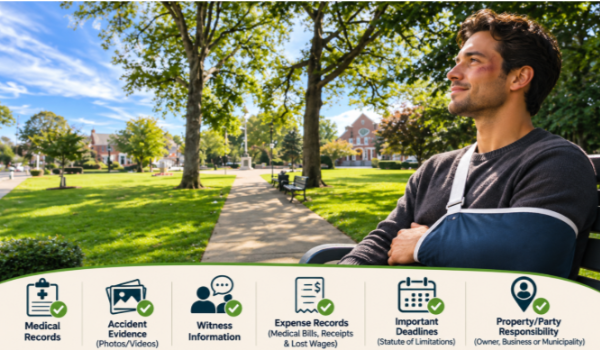
Photograph the hazard from several angles and include nearby signs, lighting, and landmarks. Write down what you remember while events are fresh, but avoid guessing about how long a defect existed. If someone saw you get hurt, ask for their phone number in case you need to speak with them later. If there are cameras nearby, ask the business to hold on to the video, including anything recorded just before you were hurt.
Medical records should describe your symptoms and how the incident happened. Don’t throw away anything that was damaged in the accident, and save your receipts as well. If you’ve had to miss work or take on lighter duties because of your injury, write down when that happened and how it affected you.
These records can help separate the accident’s effects from unrelated problems.
What a Claim May Actually Cover
Maybe you’ve missed several weeks of work, or your doctor says you’ll need more treatment. You may be able to receive money for these expenses, as well as the pain and emotional stress caused by your injury. You’ll need something to show what you’ve lost, and any payments from your insurance may affect how much more you can claim. Before signing a settlement release, find out what future claims it would prevent.
Make the Next Step Count
You do not need to know every legal answer before asking for help. The Tadchiev Law Firm, P.C., handles personal injury matters in Floral Park and can review where your accident happened, which rules apply, and what evidence is still available.
Having The Tadchiev Law Firm, P.C., on your side means having experienced legal guidance to help identify who may be responsible and understand your options before making decisions about your claim
Frequently Asked Questions
1. What if You Were Injured at a Train Station in Floral Park?
The company or public authority responsible for the station may have different legal obligations and claim procedures from those applying to a village sidewalk. Find out who owns or operates the exact location where you were injured. Some railroad-related claims have special deadlines, so do not assume that ordinary personal injury filing rules apply.
2. Can a Passenger Receive No-Fault Benefits After a Car Accident?
Yes, an eligible passenger can generally apply for New York no-fault benefits through the insurer covering the vehicle they occupied. These benefits may help cover certain medical expenses and lost earnings, even if another driver caused the accident.
3. Are Motorcycle Riders Covered by New York’s No-Fault Insurance?
Motorcycle operators and passengers are generally excluded from New York’s no-fault benefits. They may have other insurance coverage or a potential claim against a responsible party. Different rules can apply to pedestrians injured by motorcycles.
4. What if Nobody Witnessed Your Accident?
You may still have a claim without an eyewitness. Photographs, medical records, damaged property, video footage, and maintenance records can help establish what happened. The absence of a witness does not automatically prevent you from proving another party was responsible.
5. Do You Have to Report an Injury Accident to the New York DMV?
If you were driving in a crash involving an injury, death, or more than $1,000 in damage to any one person’s property, New York generally requires a motorist accident report within 10 days. Reporting the crash to your insurance company does not replace this requirement.
6. Can a Family File a Claim if Someone Dies From Their Injuries?
New York generally allows an appointed personal representative to bring a wrongful death action when another party’s wrongful conduct caused the death. The usual deadline is two years from the date of death, although exceptions and additional notice requirements may apply. The family should seek guidance about who has legal authority to bring the claim.