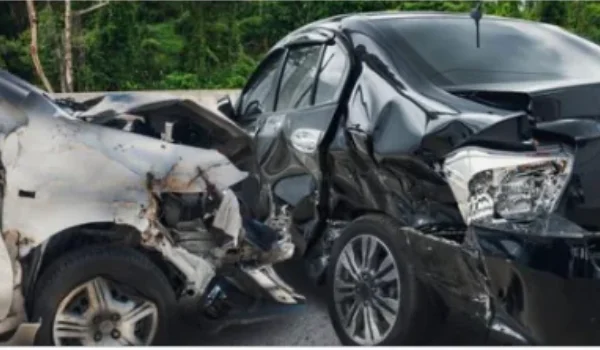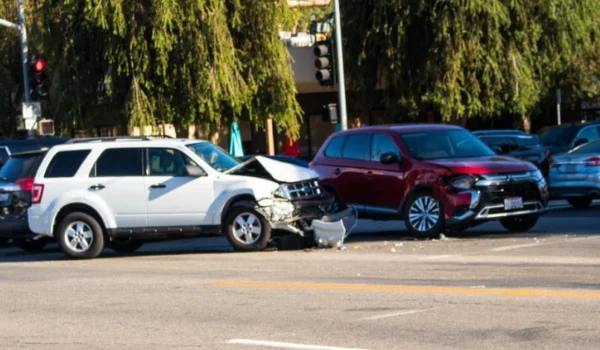
A serious car wreck can leave you dealing with injuries, medical bills, vehicle damage, lost wages, insurance companies, and uncertainty about what to do next. Even when another driver appears to be responsible, getting compensation is not always as simple as filing an insurance claim.
A car wreck attorney helps people navigate legal claims arising from motor vehicle crashes. Depending on the circumstances, an attorney may investigate the accident, collect evidence, communicate with insurance companies, negotiate a settlement, and represent the injured person in a lawsuit.
The laws governing car wreck claims vary by state, so the legal process and deadlines can be different depending on where the accident occurred.
What Is a Car Wreck Attorney?
A car wreck attorney is generally a personal injury lawyer who handles legal claims arising from automobile crashes. The terms car wreck attorney, car accident lawyer, auto accident attorney, and car accident lawyer are often used interchangeably.
A car wreck case may involve:
- Rear-end collisions
- Head-on crashes
- T-bone accidents
- Intersection collisions
- Multi-vehicle crashes
- Distracted driving accidents
- Drunk driving accidents
- Hit-and-run crashes
- Uninsured or underinsured motorists
- Serious injury claims
- Fatal car accidents
The attorney’s role depends on the facts of the case and the applicable state law.
When Should You Hire a Car Wreck Attorney?
Not every minor crash requires legal representation. If an accident involves limited property damage, no injuries, clear responsibility, and a cooperative insurance company, some people may handle the claim themselves.
However, speaking with an attorney may be useful when the situation is more complicated.
Consider getting legal advice if:
- You suffered significant injuries.
- You need ongoing medical treatment.
- You cannot work because of the accident.
- The other driver denies responsibility.
- The insurance company disputes your claim.
- The insurer’s settlement offer does not account for your losses.
- Multiple drivers may be responsible.
- The other driver has little or no insurance.
- You suffered a permanent or long-term injury.
- A loved one died in the crash.
- You are unsure about your legal rights or filing deadline.
The more complicated the liability or damages issues are, the more important it may be to understand your legal options before settling the claim.
What Does a Car Wreck Attorney Do?
A car wreck attorney can handle several important parts of an accident claim.
Investigating the Accident
The attorney may review the police report, photographs, videos, witness statements, medical records, vehicle damage, and other available evidence.
In more complicated cases, additional experts may be involved in determining how the collision occurred.
Determining Liability
A major issue in many car wreck cases is determining who was legally responsible.
Evidence may be used to establish whether a driver was speeding, distracted, intoxicated, failed to yield, followed another vehicle too closely, or otherwise violated a legal duty.
However, fault rules differ among states. A person’s own share of responsibility may also affect the amount they can recover.
Handling Insurance Companies
After a wreck, insurance companies may investigate the accident and evaluate the claim.
An attorney can communicate with insurers, provide appropriate documentation, review settlement offers, and negotiate on the client’s behalf.
This can be particularly important when an insurer disputes liability or the extent of the injuries.
Calculating Potential Damages
The financial consequences of a car wreck can go beyond the immediate vehicle repair bill.
Depending on the applicable law and circumstances, a claim may involve damages related to:
| Type of Loss | Examples |
| Medical expenses | Emergency treatment, hospital bills, medication and rehabilitation |
| Lost income | Wages lost because of the injury |
| Future earning capacity | Reduced ability to earn income |
| Property damage | Vehicle repair or replacement |
| Future medical care | Treatment expected because of the injury |
| Pain and suffering | Physical pain and certain non-economic losses where allowed |
The availability and calculation of these damages depend on state law and the facts of the case.
What Should You Do After a Car Wreck?
The steps you take immediately after a crash can be important.
- Get to a Safe Location
If possible and safe, move away from traffic and avoid putting yourself or others at additional risk.
- Contact Emergency Services
Call 911 when there are injuries, significant vehicle damage, or other circumstances requiring emergency assistance.
- Get Medical Attention
Some injuries may not be obvious immediately after a crash. Follow appropriate medical advice and keep records of treatment.
- Document the Accident
If it is safe to do so, take photographs or videos of:
- Vehicle damage
- The accident scene
- Road conditions
- Traffic signals
- Visible injuries
- Relevant signs or markings
- Collect Information
Obtain the other driver’s identifying and insurance information as appropriate. Witness contact information can also be useful.
- Report the Accident as Required
Reporting requirements vary by state and by the circumstances of the crash.
- Be Careful With Statements
Avoid making unnecessary statements about who was at fault. Provide required information, but do not guess about facts you do not know.
What Compensation Can a Car Wreck Claim Include?
The potential compensation depends on the injuries, losses, insurance coverage, liability, and applicable law.
A personal injury claim may potentially include economic losses such as:
- Medical expenses
- Lost wages
- Property damage
- Rehabilitation expenses
- Future medical costs
- Future income losses
Some states also allow certain non-economic damages, such as compensation related to pain and suffering.
In wrongful death cases, additional types of damages may be available to eligible family members or representatives under state law.
There is no universal compensation amount for a car wreck. Two accidents that look similar can produce very different legal outcomes.
What If You Were Partly at Fault?
A common question after a crash is whether an injured person can recover compensation if they also contributed to the accident.
The answer depends on the state.
States use different approaches to shared fault. Some reduce recovery according to a person’s percentage of fault, while other rules can restrict recovery when the injured person’s responsibility reaches a particular level.
For this reason, you should not assume that being partially responsible automatically prevents or guarantees recovery. The applicable state’s law needs to be examined.
How Much Does a Car Wreck Attorney Cost?
Many personal injury attorneys handle accident cases under a contingency-fee arrangement.
Under this type of agreement, the attorney’s fee is generally tied to the amount recovered rather than being based on a traditional hourly rate. The exact percentage and treatment of case expenses vary between attorneys and agreements.
Before hiring an attorney, ask:
- What percentage will the attorney receive?
- When is the percentage calculated?
- Are case expenses separate from the attorney’s fee?
- Who pays filing and expert fees?
- What happens if there is no recovery?
- What happens if the case goes to trial?
Read the written fee agreement carefully before signing it.
How Long Do You Have to File a Car Wreck Lawsuit?
Every state has statutes of limitations that establish deadlines for filing certain legal claims.
The deadline can depend on:
- The state involved
- Whether the claim concerns personal injury or property damage
- The parties involved
- Whether a government entity is involved
- The specific legal basis of the claim
There can also be exceptions that affect how a deadline is calculated.
Because missing a deadline can affect your ability to bring a lawsuit, it is important to identify the applicable deadline early rather than assuming that one nationwide rule applies.
How to Choose a Car Wreck Attorney
If you decide to consult an attorney, consider several practical factors.
Experience With Car Accident Cases
Ask whether the attorney regularly handles automobile accident and personal injury claims.
State Licensing
Make sure the attorney is authorized to practice in the jurisdiction relevant to your case.
Communication
Find out who will handle your case and how you can communicate with the attorney or legal team.
Fee Structure
Ask for a clear explanation of the contingency fee and any additional expenses.
Litigation Experience
If settlement negotiations fail, your case may potentially proceed to court. Ask about the attorney’s experience handling litigation and trials involving similar claims.
Case Assessment
A consultation should help you understand the potential legal issues, evidence, risks, and possible next steps. Be cautious of anyone who guarantees a specific result before reviewing the facts.
Can You Handle a Car Wreck Claim Without an Attorney?
Yes. In the United States, hiring an attorney is not generally mandatory simply to handle a car accident claim.
Some people handle straightforward claims themselves, particularly when there are no injuries and the insurance process is uncomplicated.
However, a complicated injury claim can involve medical evidence, liability disputes, insurance coverage questions, damages calculations, negotiations, and filing deadlines.
An attorney may be worth consulting when the financial or legal consequences are significant.
What Happens After You Hire a Car Wreck Attorney?
The exact process varies, but a typical case may involve several stages:
Initial consultation → Case investigation → Evidence collection → Insurance claim → Settlement negotiations → Lawsuit, if necessary → Discovery → Settlement or trial
Not every case reaches every stage.
Many accident claims are resolved through negotiations or settlement rather than a trial. Others may require litigation when liability or the amount of damages cannot be resolved through negotiation.
Frequently Asked Questions
Is a car wreck attorney the same as a car accident lawyer?
Generally, yes. The terms are commonly used to describe attorneys who represent clients in legal matters arising from automobile accidents.
Do I need an attorney after every car wreck?
No. A minor accident with no injuries and a straightforward insurance claim may be manageable without an attorney. More serious or disputed cases may benefit from legal advice.
Should I talk to the other driver’s insurance company?
You may need to communicate with insurers after an accident, but you should be careful about giving statements or accepting a settlement without understanding the potential consequences.
What if the other driver has no insurance?
Depending on the circumstances, your own uninsured or underinsured motorist coverage may provide a potential source of compensation. The available options depend on your policy and state law.
Can I sue if the insurance company refuses to pay?
Potentially. Whether a lawsuit is appropriate depends on the facts, insurance coverage, applicable law, and filing deadlines.
How long does a car wreck case take?
There is no standard timeline. A straightforward claim may resolve relatively quickly, while serious injuries, disputed liability, or litigation can make a case take considerably longer.
Final Thoughts
A car wreck attorney can help an injured person understand the legal and insurance issues that may arise after a collision. Depending on the case, the attorney may investigate the accident, establish liability, evaluate damages, negotiate with insurers, and pursue litigation when appropriate.
You do not necessarily need an attorney for every minor accident. But when injuries are serious, fault is disputed, insurance coverage is complicated, or the financial losses are substantial, getting legal advice can help you understand the options available under the law.
Because car accident laws are primarily governed by state law, the rules regarding fault, damages, insurance, and filing deadlines can vary across the United States. Any person considering legal action should review the law applicable to the state where the accident occurred.
This article is for general informational purposes and does not constitute legal advice. For advice about a specific accident, consult a licensed attorney in the relevant jurisdiction.