Criminal law is often portrayed through its most dramatic moment: the trial. In reality, many of the decisions that shape a criminal case happen long before anyone addresses a jury. Questions about police authority, evidence, charging, constitutional protections, plea negotiations, and sentencing can each change the direction of a case.
Understanding that process is useful not only for future attorneys. Criminal law operates within a larger justice system involving investigators, courts, corrections professionals, researchers, victim advocates, analysts, and policy specialists. For anyone considering work in this field, learning how these pieces connect provides a clearer picture of where different careers fit.
Study the System Before Choosing Your Place in It

A career connected to criminal law begins with understanding that the justice system is much larger than policing or courtroom advocacy. Courts, corrections, research, victim services, government agencies, forensic work, and legal support all contribute to how cases are investigated and resolved.
That is why students exploring criminal justice bachelor online programs can benefit from looking beyond the degree title and examining the actual curriculum. Coursework in criminal law, courts and judicial process, criminology, victimology, policing, corrections, statistics, and research methods can provide a broader view of how the system operates. Practical experiences such as internships can then help connect those subjects to professional settings.
Understand What Turns Conduct Into a Crime
Criminal law does not simply classify behavior as “bad” and assign punishment. Statutes define offenses through specific elements that generally must be established for criminal liability.
Those elements can involve prohibited conduct, a required mental state, circumstances surrounding the act, or a particular result. The details vary by offense and jurisdiction. Understanding them is essential because seemingly similar incidents can raise different legal questions.
Students of criminal justice should become comfortable reading statutes carefully rather than relying on assumptions formed by television, headlines, or everyday language. Terms can have specialized legal meanings, and small factual differences may matter.
Learn Why Procedure Can Matter as Much as Facts
A case is shaped not only by what allegedly happened but also by how the government obtains and uses information.
Constitutional protections and procedural rules affect searches, seizures, interrogations, arrests, evidence, and courtroom proceedings. Whether a particular action was lawful can become an important issue independently of whether investigators believe an offense occurred.
This makes procedure a central part of criminal-law education. Professionals need to understand both the goals of investigation and the boundaries governing government authority.
Follow the Evidence, but Question Its Limits
Evidence can take many forms: physical objects, documents, witness statements, surveillance footage, digital records, forensic results, photographs, and expert analysis. Each source has strengths and limitations.
Good criminal justice work requires asking how evidence was obtained, preserved, documented, interpreted, and connected to the relevant issue. A digital record may appear precise but still require context. A witness may be sincere yet mistaken. A forensic result may be useful without answering every question in the case.
Learning to examine evidence critically is particularly important as investigations become increasingly digital. Phones, cloud accounts, cameras, financial records, and connected devices can generate enormous amounts of information. More information, however, does not automatically produce a clearer conclusion.
See Charging as a Major Decision Point
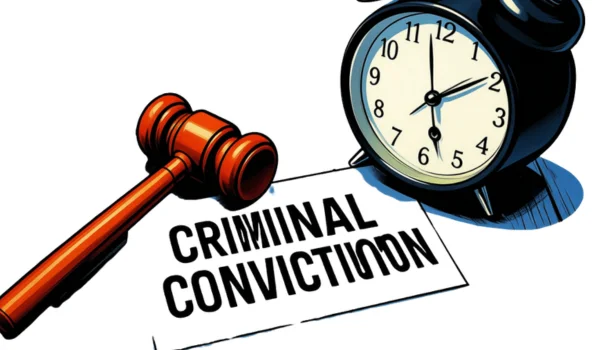
An arrest and a criminal conviction are not the same thing. Between investigation and final disposition are important decisions about whether charges will be filed and which charges the available evidence may support.
Prosecutors generally evaluate evidence alongside applicable law and professional obligations, while defense attorneys examine the allegations, evidence, procedures, and available defenses from a different role. Exact processes differ among jurisdictions.
Understanding those decision points makes the system easier to analyze and reveals why careers in prosecution, defense, court administration, investigation, and legal research require both judgment and careful attention to detail.
Recognize Why Many Cases Never Reach Trial
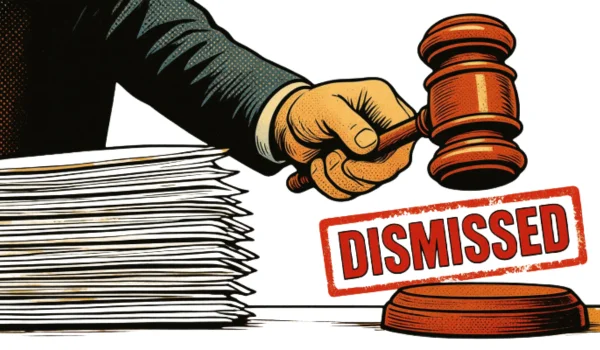
Trials dominate popular depictions of criminal law, but many criminal cases are resolved without a full trial. Depending on the jurisdiction and circumstances, outcomes may involve dismissals, negotiated pleas, diversion programs, or other procedures.
Plea negotiations can involve difficult decisions for prosecutors, defense counsel, defendants, and courts. Factors may include the evidence, potential charges, sentencing exposure, legal issues, and individual circumstances.
Studying case resolution also raises broader questions about efficiency, fairness, resources, incentives, and access to counsel. Those questions make criminal justice an important field for research as well as professional practice.
Look Beyond Conviction to Sentencing and Corrections
A finding of guilt does not end the criminal justice process. Sentencing determines the legal consequences, while corrections systems carry out many of those consequences.
Depending on the offense and jurisdiction, outcomes can include incarceration, probation, fines, treatment requirements, community-based supervision, or other sanctions. Courts may operate within statutory rules, sentencing frameworks, and other legal requirements.
Corrections also involves more than prisons. Probation, parole where applicable, rehabilitation programs, reentry services, and alternatives to incarceration create careers requiring knowledge of behavior, policy, public safety, and community resources.
These areas also demonstrate why criminal justice professionals need to understand people as well as law. Successful supervision, rehabilitation, and reentry can involve employment, housing, behavioral health, family relationships, education, and access to community services.
Develop Research Skills for a Data-Driven Justice System
Criminal justice professionals increasingly work with data. Agencies and researchers examine crime patterns, program outcomes, recidivism, resource allocation, victimization, and the effectiveness of different interventions.
That makes statistics and research methods practical career skills. Professionals should know how to evaluate a study, recognize weak conclusions, understand basic quantitative findings, and distinguish correlation from stronger evidence of causation.
Research skills are equally useful when public debate becomes emotionally charged. Criminal-law policy frequently involves competing claims about what improves safety or fairness. Evidence does not eliminate value judgments, but it can make discussions more informed.
Build a Career Around Accuracy, Ethics, and Judgment
Criminal law deals with decisions that can affect liberty, safety, reputation, families, and communities. That makes professional ethics more than an academic requirement.
Whether someone works in investigation, courts, research, corrections, victim advocacy, or another area, accuracy matters. Reports should distinguish observations from conclusions. Evidence should be handled appropriately. Confidential information should be protected. Uncertainty should be acknowledged rather than hidden.
Communication matters just as much. Professionals often need to explain complicated information to colleagues, decision-makers, clients, or members of the public who do not share their technical background.
A successful career in criminal justice therefore requires more than knowing laws and procedures. It requires disciplined thinking, strong writing, research ability, ethical awareness, and the willingness to revise a conclusion when the evidence does not support it.
Criminal law becomes much more interesting once it is viewed as a chain of decisions rather than a collection of crimes and punishments. Every stage—from investigation and evidence to charging, case resolution, sentencing, and corrections—creates different responsibilities and career possibilities.
For students considering the field, the strongest preparation is broad enough to show how those stages connect. From there, specialized interests can develop with experience. Understanding the entire system first makes it easier to decide where your own skills can contribute most effectively.