
A single evening can change your life in ways you never anticipated. One moment you’re driving home; the next, you’re pulled over, asked to provide a breath sample, and facing the prospect of a criminal charge that could affect your career, your licence, and your freedom. Impaired driving is one of the most common criminal offences in Canada — and one of the most aggressively prosecuted.
Understanding what you’re up against is the first step to protecting yourself.
The Scope of the Problem
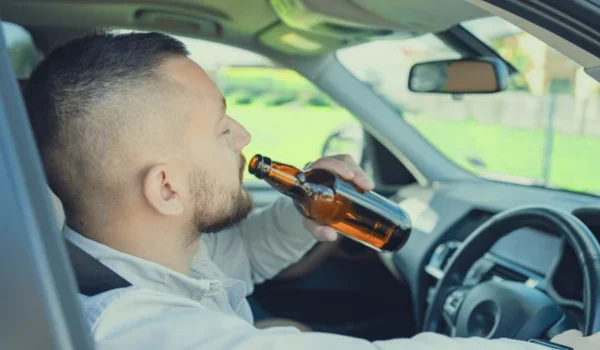
Impaired driving remains the leading criminal cause of death in Canada. According to Transport Canada, thousands of collisions involving alcohol or drugs occur every year, which is precisely why law enforcement and Crown prosecutors treat these charges with little leniency — even for first-time offenders.
But being charged is not the same as being convicted. The distinction matters enormously.
What “Impaired Driving” Actually Covers
Many people assume a DUI charge simply means being caught driving drunk. In reality, the Criminal Code of Canada covers a broader range of offences under the impaired driving umbrella:
- Impaired operation — driving while your ability is impaired by alcohol or drugs, regardless of blood alcohol concentration
- Over 80 — having a blood alcohol concentration (BAC) of 80mg per 100ml of blood or higher
- Refusal to provide a sample — declining to blow into a roadside screening device or provide a blood sample when lawfully demanded
- Drug-impaired driving — operating a vehicle while impaired by cannabis, prescription medication, or other substances
Each carries its own legal thresholds and evidentiary requirements — and each can be challenged.
The Consequences of a Conviction
The penalties for impaired driving in Canada are serious and escalate with repeat offences. A first conviction typically results in a minimum $1,000 fine, a mandatory driving prohibition, and a criminal record. Subsequent offences carry mandatory minimum jail sentences. Beyond the legal penalties, a conviction can trigger licence suspension, significantly higher insurance premiums, and travel restrictions — including potential denial of entry into the United States.
For professionals whose careers depend on a clean record or the ability to drive, the stakes are even higher.
Why the Evidence Isn’t Always as Solid as It Looks
Police and prosecutors rely heavily on breathalyzer results and field sobriety tests. But this evidence is far from infallible. Breathalyzer devices must be properly calibrated and maintained. The approved screening device used at the roadside is different from the Approved Instrument used at the station — and the results of each carry different legal weight.
Beyond the equipment itself, the circumstances of the stop matter. Officers must have a lawful reason to pull you over. If the traffic stop was unlawful, or if your Charter rights were violated during the arrest or detention — your right to be informed of the reason for your arrest, your right to counsel, or your right against unreasonable search and seizure — a skilled defence lawyer may be able to have key evidence excluded entirely.
Building a Defence
Effective impaired driving defence is rarely about denying that a stop occurred. It’s about examining every procedural step, from the moment an officer activated their lights to the moment the breath sample was recorded. Was the demand for a sample made properly? Was the device working correctly? Were you given a genuine opportunity to speak with a lawyer before providing the sample?
These are the questions that experienced criminal defence lawyers ask — and the answers can make the difference between a conviction and a withdrawal. If you’ve been charged with drunk driving, retaining a lawyer who focuses specifically on criminal defence and knows the Toronto court system is essential. Local knowledge of how specific Crown attorneys approach disclosure and plea negotiations, and how judges in different courts weigh Charter arguments, is not something that can be replicated by generalist legal advice.
Act Quickly — Time Matters
Evidence degrades. Witnesses’ memories fade. Breathalyzer maintenance records and calibration logs need to be obtained before they’re overwritten. The window between your charge and your first court appearance is the most critical period for building your defence — and it goes by faster than most people expect.
If you’re facing an impaired driving charge in Toronto or anywhere in the Greater Toronto Area, the smartest move you can make is to speak with a criminal defence lawyer as soon as possible. The earlier you get proper legal advice, the more options you have.