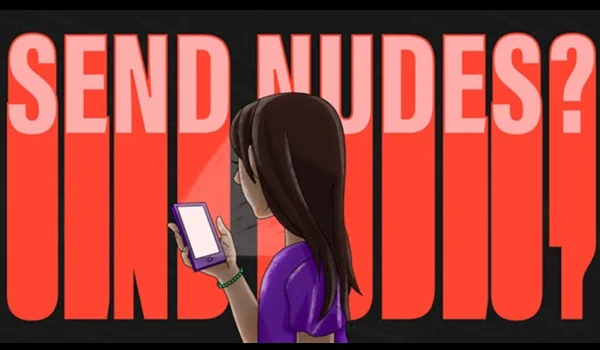
Sending intimate photos has become common in the age of smartphones, social media, and private messaging apps. But many people still wonder:
“Is sending nudes illegal?”
The answer depends on several important factors, including:
- The age of the people involved,
- Whether consent exists,
- How the images are shared,
- And what happens after the images are sent.
In many situations between consenting adults, sending nude photos is legal in the United States. However, there are also serious situations where it can become illegal and lead to criminal charges, lawsuits, or long-term consequences.
In this guide, we’ll explain:
- When sending nudes is legal,
- When it becomes illegal,
- Laws involving consent and privacy,
- Risks of sharing someone else’s images,
- And practical ways to protect yourself online.
Is It Illegal to Send Nudes in the USA?
For consenting adults, sending nude images privately is generally legal in most parts of the United States.
However, legality changes quickly if:
- A minor is involved,
- The image is shared without consent,
- Harassment or threats occur,
- Or the content is distributed publicly.
That’s why understanding the context matters more than the image itself.
When Sending Nudes Is Usually Legal
In most states, adults can legally exchange intimate images if:
- Both people are over 18,
- Both consent willingly,
- The sharing remains private,
- And no coercion or harassment is involved.
This commonly applies to:
- Dating relationships,
- Married couples,
- Long-distance relationships,
- Or consensual private messaging.
Still, even legal sharing can carry personal and digital privacy risks.
When Sending Nudes Becomes Illegal
There are several situations where sending nude photos can cross legal lines.
Involving Minors
This is the most serious category.
Under U.S. law, explicit images involving anyone under 18 can lead to severe criminal charges — even if:
- The minor took the photo themselves,
- Both people are minors,
- Or the sharing was consensual.
Laws related to child sexual abuse material are extremely strict.
Sharing Someone Else’s Nudes Without Permission
This is where many legal problems happen.
If someone shares another person’s intimate photos without consent, it may violate:
- Privacy laws,
- Harassment laws,
- Cybercrime laws,
- Or “revenge porn” laws.
Many states now have laws specifically targeting non-consensual image sharing.
Examples include:
- California
- Texas
- Florida
- New York
Penalties can include:
- Criminal charges,
- Fines,
- Civil lawsuits,
- And restraining orders.
What Is “Revenge Porn”?
“Revenge porn” refers to sharing intimate images of someone without their permission, often after a breakup or personal conflict.
Many states now treat this as a criminal offense.
Common examples include:
- Posting private photos online,
- Sending them to friends or coworkers,
- Threatening to release images,
- Or distributing content to embarrass someone.
Even if the image was originally shared consensually, redistributing it without consent may still be illegal.
Can You Get in Trouble for Asking for Nudes?
Possibly, depending on the situation.
Legal issues may arise if:
- The request involves a minor,
- Harassment or pressure is involved,
- Or the messages become threatening or coercive.
Consensual flirting between adults is usually legal, but repeated unwanted requests may cross into harassment territory.
State Laws Can Differ
There is no single nationwide law covering every nude-image situation.
Different states handle:
- Privacy rights,
- Harassment,
- Sexting laws,
- And image-sharing crimes differently.
For example:
- Some states have specific revenge porn statutes,
- Others use broader harassment or privacy laws,
- And penalties vary significantly.
Common Situations and Legal Risk
| Situation | Likely Legal Outcome |
| Consenting adults privately exchanging nudes | Usually legal |
| Sending explicit images involving minors | Illegal |
| Sharing someone else’s nudes without consent | Often illegal |
| Threatening to release intimate images | Potentially illegal |
| Receiving unsolicited explicit images | May violate harassment laws |
What About Sexting Between Teenagers?
This area is legally complicated.
Some states have adopted lighter penalties for teenage sexting cases, recognizing that:
- Teenagers sometimes exchange images consensually,
- But traditional child exploitation laws can still apply.
Even so, minors can still face:
- School discipline,
- Criminal investigations,
- Or juvenile court consequences.
Parents and teens should take these laws seriously.
Can Employers or Schools Punish Someone?
Yes, sometimes.
Even if no crime occurred, schools and employers may still take action if explicit content:
- Violates workplace policies,
- Creates harassment concerns,
- Damages reputations,
- Or disrupts school environments.
Private institutions often have their own conduct rules.
What Happens if Images Are Leaked?
If private images are shared publicly without permission, victims may have legal options including:
- Filing police reports,
- Seeking restraining orders,
- Suing for emotional distress,
- Or requesting content removal from websites.
Some online platforms also allow reporting of non-consensual intimate content.
Digital Privacy Risks People Often Ignore
Even legal nude sharing can create long-term risks.
Photos may be:
- Screenshot,
- Backed up automatically,
- Hacked,
- Forwarded accidentally,
- Or stored permanently online.
That’s why many privacy experts recommend caution before sending intimate content digitally.
How to Protect Yourself Legally and Digitally
Only Share With Trusted Adults
Consent and trust matter greatly.
Never Share Images of Minors
Even “joking” situations can become serious legal issues.
Don’t Forward Someone Else’s Images
Redistributing content can create criminal and civil liability.
Use Secure Apps Carefully
Even disappearing messages are not fully risk-free.
Understand Consent
Consent to receive a photo does not automatically mean consent to share it.
Common Myths About Sending Nudes
Myth 1: Sending Nudes Is Always Illegal
False. Between consenting adults, it is generally legal.
Myth 2: If Someone Sends You a Nude, You Can Share It
Not necessarily. Sharing without permission may violate laws.
Myth 3: Disappearing Messages Fully Protect You
Screenshots and backups can still preserve images.
Myth 4: Only Celebrities Can Sue Over Leaked Photos
Anyone may potentially pursue legal action for privacy violations.
Can Police Investigate Sexting Cases?
Yes.
Law enforcement may investigate if allegations involve:
- Minors,
- Harassment,
- Threats,
- Extortion,
- Or non-consensual distribution.
Investigations may involve:
- Phones,
- Social media accounts,
- Cloud storage,
- And message histories.
What Is Sextortion?
Sextortion happens when someone threatens to release intimate images unless the victim:
- Pays money,
- Sends more images,
- Or complies with demands.
This is a serious crime and should be reported immediately to law enforcement.
Online scams involving sextortion have become increasingly common in recent years.
Final Thoughts
So, is it illegal to send nudes?
In the United States, consensual nude sharing between adults is generally legal. However, the situation can quickly become illegal if:
- A minor is involved,
- Images are shared without consent,
- Threats or harassment occur,
- Or private content is distributed publicly.
The safest approach is to understand both the legal and digital risks before sharing intimate content online.
A simple rule many legal experts recommend is this:
- Consent matters,
- Privacy matters,
- And once an image is sent digitally, control over it may be limited.