If you run a small business — landscaping, cleaning, real estate, handyman services — you’ve probably thought about a simple marketing idea:
👉 “Can I just put my business cards in neighborhood mailboxes?”
It sounds easy and free.
But here’s the clear legal answer:
Yes — in most cases, it is illegal to put business cards in someone’s mailbox in the United States.
Let’s break this down in simple, everyday language so you understand what the law says, why it exists, and what safe alternatives you can use.
Why Is It Illegal?
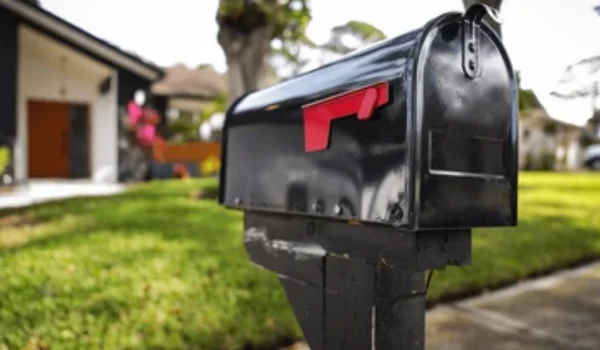
Mailboxes in the United States are protected by federal law.
They are considered authorized space for U.S. Mail only — meaning items delivered by the United States Postal Service (USPS).
Federal law says that only:
- USPS mail carriers
- Authorized postal employees
can place items inside a mailbox.
That includes:
- Business cards
- Flyers
- Coupons
- Door hangers placed inside the mailbox
- Handwritten notes
- Religious pamphlets
If it did not go through USPS postage, it cannot go in the mailbox.
What Law Covers This?
The rule comes from federal law under Title 18 of the United States Code (Section 1725).
In simple terms, it says:
No one may place unstamped mailable material in a mailbox without paying postage.
That means:
If you didn’t pay postage and send it through USPS, you cannot legally put it in the mailbox.
Why Does This Rule Exist?
There are a few key reasons:
- Protecting Postal Revenue
The postal system is funded through postage. If businesses could skip postage, USPS would lose revenue.
- Security
Mailboxes are considered federal property. Limiting who can use them prevents fraud, identity theft, and suspicious materials.
- Mail Integrity
It prevents confusion between official mail and advertisements.
What Happens If You Do It Anyway?
If you put business cards in mailboxes, possible consequences include:
- Warning notices
- Fines
- Postal investigation
The USPS can impose fines of up to:
👉 $5,000 per violation for individuals
👉 $10,000 per violation for businesses
Each mailbox can count as a separate violation.
In reality, first-time offenders often receive warnings. But repeated violations can become expensive quickly.
What About Open or Broken Mailboxes?
It doesn’t matter if:
- The mailbox is open
- The flag is down
- It looks unused
- It’s mounted on a fence
- It’s at the end of a driveway
If it’s a designated mailbox for mail delivery, it is protected by federal law.
Is the Mailbox Federal Property?
Technically:
The mailbox itself may be owned by the homeowner.
But once it is designated for mail delivery, it falls under federal postal protection.
That’s why the rule applies nationwide.
Is It Illegal to Tape Cards to the Outside of the Mailbox?
Placing items inside the mailbox is clearly illegal.
Attaching materials to the outside is more complicated.
You could face:
- Local ordinance violations
- Property damage claims
- Littering citations
And homeowners generally do not appreciate it.
So while outside placement may not trigger federal postal law in the same way, it’s still risky and often unwelcome.
What About Apartment Complex Mailboxes?
The same rule applies.
Cluster mailboxes in apartment complexes are still under USPS protection.
You cannot:
- Slip cards into individual boxes
- Place materials in parcel lockers
- Put items in outgoing mail slots
Only USPS can do that.
What Is Legal Instead?
If you want to market your business legally, here are safer alternatives:
✔ Use USPS Every Door Direct Mail (EDDM)
This allows you to send marketing materials to entire neighborhoods legally through the United States Postal Service without needing individual addresses.
✔ Door Hangers (On Doorknobs)
You can hang flyers on door handles — just don’t put them inside the mailbox.
✔ Leave Flyers at the Door
Place them at the doorstep or under a doormat (check local rules).
✔ Community Bulletin Boards
Many neighborhoods, grocery stores, and coffee shops allow postings.
✔ Digital Marketing
Facebook groups, local Google listings, and Nextdoor are often more effective.
What If You Didn’t Know It Was Illegal?
Many small business owners genuinely don’t realize this rule exists.
If caught:
- First offenses may result in a warning.
- Repeat behavior can lead to fines.
Lack of knowledge usually won’t eliminate liability, but enforcement often depends on complaints and local postal inspections.
What About Newspapers and Flyers in Plastic Bags?
If newspapers are delivered without USPS postage, they typically:
- Are left on driveways
- Are placed in special newspaper tubes
They are not placed inside official USPS mailboxes unless mailed properly.
Can Homeowners Put Things in Their Own Mailbox?
This is another common question.
Technically, even homeowners are not supposed to use the mailbox for unstamped mailable matter.
For example:
- You shouldn’t place outgoing mail without postage.
- You shouldn’t use it to store personal notes for neighbors.
Mailboxes are intended for USPS use only.
What If Someone Puts Something in Your Mailbox?
If someone places business cards or flyers in your mailbox:
You can:
- Remove them
- Report repeated issues to your local post office
Postal inspectors handle these matters.
Does This Apply in Every State?
Yes.
Because it’s federal law, it applies in:
- California
- Texas
- Florida
- New York
- And all other states
This is not a local rule — it’s nationwide.
Quick Summary Table
| Action | Legal? |
| Putting business cards inside mailbox | ❌ Illegal |
| Mailing cards with proper postage | ✔ Legal |
| Hanging flyer on door handle | ✔ Usually legal |
| Leaving flyer inside mailbox slot | ❌ Illegal |
| Using USPS EDDM service | ✔ Legal |
Final Answer
Is it illegal to put business cards in mailboxes?
👉 Yes, if you are placing them inside without postage.
Mailboxes are reserved for official mail delivered by the United States Postal Service.
Even though it seems harmless, it violates federal law.
Bottom Line for Small Business Owners
If you’re trying to grow your business:
- Don’t risk federal fines to save postage.
- Use legal marketing methods.
- Consider direct mail programs or door hangers instead.
A small shortcut can turn into a costly mistake.