Understanding the Laws Behind Camping Bans in the United States
Across the United States, people often ask a difficult but important question:
Why is it illegal to live in a camp?
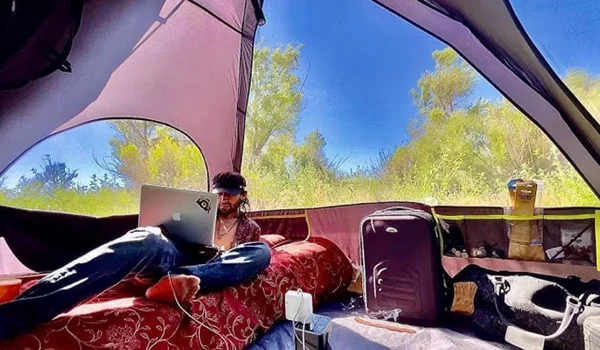
For some, “camp living” means tents in public parks. For others, it means makeshift shelters near highways, rivers, or city buildings. While camping itself is legal in many places, living in a camp long-term is often treated as illegal.
This article explains why these laws exist, what they are meant to protect, and where the law is still evolving—without using complicated legal language.
First, What Does “Living in a Camp” Mean Legally?
Under the law, “living in a camp” usually refers to:
- Staying in a tent or makeshift shelter long-term
- Sleeping outdoors on public land
- Setting up bedding, cooking gear, or storage
- Treating a public area like a permanent home
Short-term camping (like a weekend trip) is very different from establishing a long-term living space.
The Main Reasons Camp Living Is Often Illegal
- Public Land Is Not Meant for Permanent Housing
Most camps that are shut down are on:
- Public parks
- Sidewalks
- Riverbanks
- Highway rights-of-way
- City-owned land
These areas are meant to be:
- Shared by everyone
- Open and accessible
- Safe and clean
Allowing permanent camps can block access and change how public spaces are used.
- Health and Safety Concerns
One of the biggest reasons cities ban long-term camps is public health.
Unregulated camps may involve:
- No toilets or running water
- Trash buildup
- Fire hazards from open flames
- Risk of disease spread
- Unsafe structures
Cities are legally responsible for protecting public health, and camps without basic services create real risks.
- Fire and Environmental Risks
Many camps are located in areas vulnerable to:
- Wildfires
- Flooding
- Environmental damage
Open fires, propane stoves, or generators can be extremely dangerous—especially in dry or wooded areas.
Cities often justify camp bans as fire prevention measures.
- Zoning and Housing Laws
Cities are governed by zoning rules that say:
- Where people can live
- What types of structures are allowed
- What safety standards must be met
Camps do not meet:
- Building codes
- Electrical safety rules
- Sanitation standards
If permanent camps were allowed, it would undermine housing and zoning systems.
- Liability and Legal Responsibility
If someone is injured or killed in a public camp:
- The city may face lawsuits
- Taxpayers may bear the cost
To reduce legal exposure, cities often prohibit camping in public spaces altogether.
- Crime and Public Order Concerns
While many people in camps are simply trying to survive, cities argue that large camps can:
- Increase crime risks
- Attract drug activity
- Create unsafe conditions for residents and visitors
These concerns are often controversial but are commonly cited by local governments.
Is It About Criminalizing Homelessness?
This is where the issue becomes complex.
Many advocates argue that:
- Camp bans punish people for being poor
- There is often nowhere else to go
- Shelters may be full or unsafe
Courts have increasingly recognized this tension.
Important Court Decisions Changing the Law
U.S. courts have ruled that:
- Cities cannot punish people for sleeping outside if no shelter is available
- Enforcing camping bans without alternatives may violate constitutional rights
These rulings do not make all camping legal—but they limit when and how laws can be enforced.
For law practices, this is a fast-evolving area of constitutional and civil rights law.
Why Cities Still Enforce Camp Bans
Even with court limits, cities continue to enforce camping restrictions because:
- They must manage public spaces
- They face pressure from residents and businesses
- They lack sufficient housing and shelter options
The law tries to balance human dignity with public safety and order—often imperfectly.
What Happens If You’re Caught Living in a Camp?
Consequences may include:
- Being asked to leave
- Confiscation of property
- Fines or citations
- Arrest in repeated cases
However, many cities now:
- Offer outreach services
- Provide shelter referrals
- Delay enforcement when shelters are full
What Law Firms Should Know (Legal Insight)
For legal professionals, camp living cases often involve:
- Constitutional law (Eighth and Fourteenth Amendments)
- Civil rights claims
- Injunctions against city enforcement
- Property seizure disputes
- Municipal liability
Key questions include:
- Was shelter available?
- Was enforcement selective?
- Were belongings unlawfully seized?
- Was proper notice given?
A Human Issue With Legal Boundaries
It’s important to understand that:
Living in a camp is often illegal not because of who people are—but because of where and how public land is used.
That doesn’t mean the laws are perfect—or fair in every case.
Final Thoughts: Law, Survival, and Society
Camp living laws exist to protect:
- Public health
- Safety
- Environmental resources
- Shared community spaces
But they also highlight deeper problems:
- Housing shortages
- Mental health care gaps
- Rising cost of living
As courts, cities, and communities continue to debate these issues, the law remains a moving target.
In Simple Terms:
- Camping short-term is usually legal
- Living in a camp long-term often isn’t
- Enforcement depends on shelter availability and local rules
- The law is changing as courts recognize human realities
About the Author