When Martial Law is declared in the U.S., normal civilian governance may be supplanted by military authority — with major implications for rights, daily life, and how you should respond. This article explains what martial law means, what typically changes, and practical steps you can take to protect yourself, your rights, and your family.
🧠 What Does Martial Law Mean — And What Changes
🔹 What is Martial Law
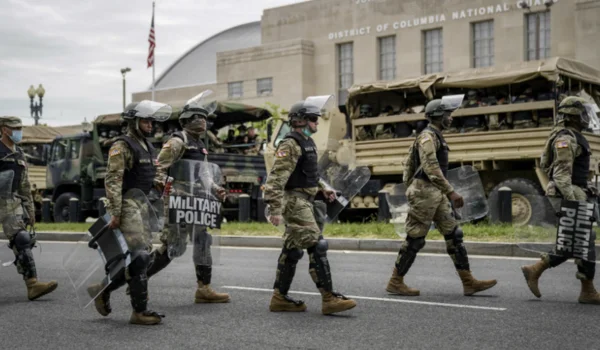
- Martial law is a state of emergency in which the military (or National Guard) — rather than civilian government — assumes control over law enforcement and public administration. It is meant to be a temporary measure in extreme situations: war, widespread civil unrest, natural disasters, or situations where civilian authorities can’t maintain order.
- Under U.S. law, both state and — under certain conditions — federal authorities may enact martial law. States historically have declared martial law more often than the federal government.
🔹 What Typically Changes
If martial law is declared, expect some or all of the following:
- Military (not police) taking over law enforcement — checking IDs, establishing checkpoints, enforcing curfews.
- Restrictions on fundamental civil liberties: movement, assembly, speech, press — these may be curtailed or suspended.
- Civilian courts may be replaced or supplemented by military tribunals; normal judicial protections (e.g. full due process) may be limited.
- Disruptions to daily life: curfews, shutdown of businesses, transport, supply chains; limited access to essential services; potential rationing of food, water and medical supplies.
Even though martial-law declarations grant broad powers, they are not unlimited. According to the Brennan Center for Justice, constitutional protections still apply, and individuals detained under martial law may seek relief via a federal court petition (e.g. via habeas corpus).
✅ Immediate Steps to Take: Protect Yourself and Family
If you learn that martial law has been declared (or may be imminent), consider doing the following:
- Stay informed. Monitor credible news sources (official government announcements, reputable media) for updates on curfews, restrictions, and what’s allowed/not allowed.
- Have essential supplies ready. Stock up on at least a few days’ supply of non-perishable food, water, medications, first-aid supplies, flashlight, batteries, and other basic necessities.
- Keep identification and important documents handy. Under martial law you may be asked to show government-issued ID, proof of address, etc.
- Minimize movement and avoid drawing attention. Stay indoors if possible, especially during curfews; avoid large gatherings, protests, or public demonstrations.
- Have a communication plan. Ensure family members know how to reach each other, and know where to meet if separated. Also consider alternatives if phone/Internet services are disrupted (e.g. radio, walkie-talkie).
⚖️ Know Your Rights — And Your Limits
Even under martial law:
- Constitutional safeguards are not automatically erased. For instance, people detained by the military may still petition a federal court for release (writ of habeas corpus).
- Martial-law measures remain subject to judicial review, meaning courts may challenge or limit abuses or illegal detentions.
- The exact scope of restrictions (curfews, assembly bans, checkpoints) may vary significantly depending on whether martial law is declared at a state level or federal level, and on the underlying crisis.
In short: even under martial law, U.S. citizens retain rights — though enforcement may become more complex and risky.
🛡️ Long-Term Preparedness — What You Can Do Before Crisis
It’s always better to prepare ahead rather than scramble when a crisis hits:
- Maintain a basic emergency stock (food, water, medicines, power sources) with a rotation plan — not just panic-buying when tension rises.
- Keep digital and physical copies of important documents (ID, birth certificates, passports, legal papers) in a safe but accessible place.
- Build community ties: know trusted neighbours, local support networks — in a crisis, community coordination can help when official services are limited.
- Stay educated: familiarize yourself with constitutional rights and civil-liberties resources (e.g. organizations like the Brennan Center), so you know what protections remain, and how to act if rights are violated.
- Have a communication & contingency plan: where to meet family, alternate contact methods, safe zones, etc.
🔎 When to Seek Legal Help
If you or someone you know is arrested, detained, or confronted by the military under martial law:
- Document everything (names, times, location, orders given) — if safe to do so. This record can be crucial for any legal action later.
- Try to contact a lawyer as soon as possible; even under martial law, constitutional protections (like habeas corpus) may still apply.
- Be cautious about resisting orders — non-compliance could escalate risks quickly. Legal remedies tend to work better after the fact.
✨ Conclusion
Martial law represents an extraordinary, extreme measure — one that can profoundly alter day-to-day life, restrict civil liberties, and shift power to the military. But while such a scenario sounds frightening, being informed, prepared, and cautious can make a real difference for you and your loved ones.
Know your rights, stay alert to official announcements, plan ahead, and — if the worst happens — act with awareness and care.
About the Author