When people search for the Walgreens class action lawsuit, they are usually trying to understand one of three things:
- Is Walgreens being sued right now?
- Does it affect customers or employees?
- Can I receive compensation?
This article explains the topic in clear, simple language for everyday readers while also providing structured insight useful for law practices, compliance teams, and risk managers.
Important: A class action lawsuit is an allegation, not proof of wrongdoing. Many large companies face class actions simply because of their size and national reach.
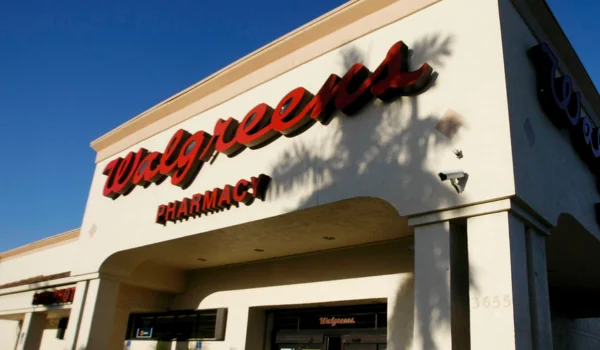
About Walgreens
Walgreens is one of the largest pharmacy chains in the United States. It operates thousands of retail pharmacy locations nationwide and provides:
- Prescription medications
- Vaccinations
- Health screenings
- Retail products
- Insurance-related pharmacy services
Because Walgreens operates at such a large scale, even small policy disputes can affect thousands or millions of people — which is why class action lawsuits sometimes arise.
What Is a Class Action Lawsuit?
Before diving deeper, let’s break this down simply.
A class action lawsuit is when one or more people sue a company on behalf of a larger group who experienced the same issue.
Instead of 10,000 separate lawsuits, the court handles them as one combined case.
If successful, the outcome applies to everyone in the “class.”
Types of Walgreens Class Action Lawsuits
Over the years, Walgreens has faced different types of class action lawsuits. These typically fall into several categories.
1️⃣ Consumer Protection Lawsuits
These cases usually involve allegations such as:
- Overcharging for prescriptions
- Pricing discrepancies
- Automatic renewal programs
- Misleading discount representations
- Unclear fee disclosures
For example, some lawsuits have alleged that customers with insurance were charged higher prescription prices than customers using discount programs.
In cases like this, the legal question is often:
Did the company mislead customers or violate consumer protection laws?
Not every pricing dispute equals wrongdoing — but courts review whether disclosures were clear and fair.
2️⃣ Pharmacy and Healthcare-Related Claims
Pharmacies operate in a highly regulated industry.
Class actions may involve claims about:
- Prescription processing errors
- Generic drug substitution practices
- Insurance billing practices
- Data privacy and patient information handling
Because healthcare involves sensitive information, privacy-related claims can become especially serious.
3️⃣ Employment and Wage Lawsuits
As a nationwide employer, Walgreens employs tens of thousands of workers.
Employment-related class actions may involve:
- Overtime pay disputes
- Misclassification of employees
- Meal and rest break violations
- Wage calculation errors
These cases are common among large retail employers and often depend on state labor laws.
4️⃣ Data Breach and Privacy Lawsuits
Retail and pharmacy chains store:
- Customer addresses
- Insurance information
- Payment data
- Prescription history
If a cybersecurity incident occurs, class action lawsuits may follow alleging failure to protect personal data.
Privacy lawsuits often rely on federal or state data protection laws.
5️⃣ COVID-19 and Vaccination-Related Claims
During the pandemic, pharmacies played a key role in vaccine distribution.
Some lawsuits related to:
- Scheduling systems
- Employment policies
- Health and safety practices
However, many pandemic-related claims were dismissed or resolved through settlement.
How These Lawsuits Usually Progress
For everyday readers, here’s what typically happens:
Step 1: Complaint Filed
A plaintiff files a lawsuit claiming harm.
Step 2: Class Certification
The court decides whether the case can represent a larger group.
Step 3: Evidence Exchange
Both sides exchange documents, policies, and records.
Step 4: Settlement Discussions
Most class actions settle before trial.
Step 5: Trial (If Necessary)
If no agreement is reached, a judge or jury decides.
Does a Lawsuit Mean Walgreens Did Something Wrong?
No.
Large companies often face lawsuits simply because:
- They have millions of customers.
- Policies apply nationwide.
- Disputes affect many people at once.
Many cases result in:
- Dismissal
- Settlement without admission of wrongdoing
- Minor policy adjustments
A settlement does not automatically mean guilt. It often reflects business decisions to avoid prolonged litigation.
What Happens If There Is a Settlement?
If a Walgreens class action settles, affected individuals may receive:
- Cash payments
- Store credits
- Prescription refunds
- Policy changes
- Attorney fee awards (approved by court)
You may receive notice via:
- Postal mail
- Official settlement websites
Always verify notices through legitimate court documents before submitting personal information.
For Everyday Customers: What Should You Do?
If you think you may be affected:
- Save receipts and prescription records.
- Read settlement notices carefully.
- Watch deadlines for filing claims.
- Be cautious of scams pretending to be settlement administrators.
You usually do not need to hire a personal attorney to participate in a class action.
For Employees: What Should You Know?
If the lawsuit involves wage or employment issues:
- You may receive a notice explaining eligibility.
- You can choose to participate or opt out.
- Employment class actions often involve back pay claims.
Always review deadlines carefully — missing them can prevent participation.
Legal Analysis for Law Practices
For attorneys, Walgreens-related class actions often raise important legal questions:
Key Legal Themes
- Consumer protection statutes
- Federal and state pharmacy regulations
- ERISA (for certain benefit-related claims)
- State wage and hour laws
- Arbitration clause enforceability
- Class certification standards
Strategic Defense Considerations
- Motion to dismiss early in the case
- Arbitration clause enforcement
- Challenging class certification
- Demonstrating individualized damages
- Settlement valuation modeling
Plaintiff Strategy Considerations
- Demonstrating common impact
- Proving misleading disclosures
- Establishing measurable damages
- Using internal policy documents
Large retail defendants often have strong compliance systems, which can complicate liability arguments.
Why Big Retailers Face Frequent Class Actions
Companies like Walgreens operate:
- In all 50 states
- With millions of transactions daily
- Under complex healthcare regulations
Small operational policies can affect huge numbers of people — increasing litigation risk.
This does not mean the company is unsafe or unreliable. It reflects the legal reality of scale.
Broader Trend: Increased Consumer Awareness
In recent years, we’ve seen:
- Greater scrutiny of healthcare pricing
- Increased data privacy litigation
- More aggressive wage and hour enforcement
- Stronger state-level consumer protection laws
Retail pharmacy chains are frequently part of this evolving legal environment.
Final Thoughts
The phrase “Walgreens class action lawsuit” does not refer to just one single case. Over time, there have been different lawsuits involving:
- Pricing practices
- Employment policies
- Healthcare compliance
- Data privacy
For everyday customers, the most important takeaway is simple:
A class action lawsuit is a legal process to resolve disputes affecting many people. It does not automatically mean wrongdoing, and it often results in settlements or policy adjustments rather than dramatic courtroom verdicts.
For law practices, these cases provide ongoing examples of:
- Retail compliance risk
- Healthcare regulation enforcement
- Class certification challenges
- Consumer protection litigation trends
About the Author