In recent years, the return of classic vehicles has exploded in popularity. Among the most beloved of these is the Ford Bronco, especially the early “vintage” models from the 1960s and 1970s. These rugged, boxy SUVs have become collector favorites, restoration projects, and high-value resale vehicles.
But as interest in vintage Broncos surged, so did legal disputes—leading to what many now call the Vintage Broncos Ford lawsuit. This term refers not to a single case, but to a group of legal conflicts involving trademark rights, branding, business practices, and consumer protection issues connected to the Ford Bronco name and its classic design.
This article breaks down the lawsuit issues in simple terms, explains who is suing whom, and explores why these cases matter to consumers, small businesses, and law firms alike.
What Are “Vintage Broncos”?
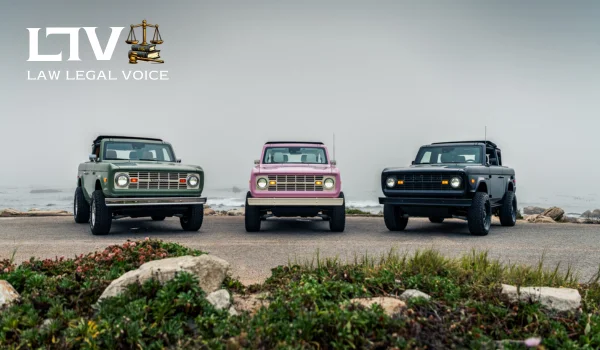
“Vintage Broncos” generally refers to early-generation Ford Broncos, especially those produced between 1966 and 1977. These vehicles are known for:
- Simple mechanical design
- Off-road capability
- Iconic boxy styling
- High restoration potential
As values rose, a new industry formed around these vehicles, including:
- Restoration shops
- Custom builders
- Parts sellers
- Dealerships specializing in classic Broncos
Some businesses branded themselves using phrases like “Vintage Bronco,” “Classic Bronco,” or similar names, which later became a major source of legal conflict.
Ford’s Role and Trademark Rights
Ford Motor Company owns the “Bronco” trademark, which covers:
- Vehicle branding
- Automotive marketing
- Related merchandise
When Ford revived the Bronco brand with its modern lineup, the company also renewed its focus on protecting its trademarks.
From Ford’s perspective, unauthorized use of the Bronco name by independent businesses could:
- Confuse customers
- Dilute the brand
- Suggest an official relationship that does not exist
This concern laid the groundwork for multiple legal disputes.
What Is the Vintage Broncos Ford Lawsuit About?
The Vintage Broncos Ford lawsuit generally centers on trademark infringement and unfair competition claims.
In simple terms:
Ford alleges that some businesses are using the “Bronco” name in a way that makes customers believe those businesses are officially connected to Ford, when they are not.
On the other side, vintage Bronco businesses argue that:
- They are working with legally purchased vehicles
- They are describing the product, not impersonating Ford
- The term “vintage Bronco” is descriptive, not deceptive
This clash has led to lawsuits, cease-and-desist letters, and negotiated settlements.
Key Legal Issues in These Lawsuits
- Trademark Infringement
Trademark infringement happens when a company uses a protected name or logo in a way that creates confusion.
Ford’s argument usually includes claims that:
- The “Bronco” name is a protected mark
- Certain businesses used it prominently in branding
- Consumers could assume Ford approved or endorsed the business
- Likelihood of Consumer Confusion
Courts often ask a simple question:
Would an average customer think this business is officially connected to Ford?
Factors considered include:
- Business names
- Website design
- Logos and fonts
- Advertising language
Even if no deception is intended, confusion alone can be enough for legal trouble.
- Fair Use vs. Branding
This is where cases get complicated.
Independent shops argue they are simply describing the product they work on—a vintage Ford Bronco. This is known as nominative fair use.
However, Ford argues that:
- Using “Bronco” as part of a business name goes beyond description
- It becomes brand exploitation rather than factual reference
This gray area is often the heart of the lawsuit.
- Business Identity and Goodwill
Some vintage Bronco companies have operated for years and built strong reputations before Ford reintroduced the Bronco line.
These businesses claim that:
- They built goodwill independently
- Ford waited too long to object
- Shutting them down would cause severe financial harm
Courts must balance these claims against Ford’s trademark rights.
What Types of Businesses Are Affected?
The Vintage Broncos Ford lawsuit issue affects:
- Classic car restoration shops
- Custom vehicle builders
- Dealerships specializing in classic Broncos
- Online retailers selling Bronco-specific parts
- Media brands and event organizers
Even small operations can face legal pressure if branding crosses certain lines.
What Does Ford Usually Seek in These Lawsuits?
Ford typically asks for:
- An order stopping the use of “Bronco” in business names
- Changes to logos and marketing materials
- In some cases, financial damages
- Control over how the Bronco name is used commercially
Often, cases end in settlements, where businesses agree to rebrand rather than fight a long legal battle.
How Do These Cases Usually End?
Most Vintage Broncos Ford lawsuits do not go to trial. Common outcomes include:
- Rebranding agreements
- Licensing discussions
- Modified business names
- Disclaimers clarifying no official Ford affiliation
For many small businesses, settlement is the practical choice due to the high cost of litigation.
Why This Matters to Everyday Consumers
From a consumer perspective, these lawsuits impact:
Transparency
Customers deserve to know whether a business is officially connected to Ford or independent.
Pricing and Availability
Legal pressure can reduce the number of shops offering vintage Bronco services, which may raise costs.
Trust
Clear branding helps consumers make informed buying decisions.
Why This Matters to Law Practices
For attorneys, these cases are important because they involve:
- Trademark enforcement strategy
- Balancing corporate rights vs. small business interests
- Fair use doctrine interpretation
- Brand revival legal consequences
They are also excellent examples of how intellectual property law intersects with automotive and restoration industries.
Lessons for Small Businesses
The Vintage Broncos Ford lawsuit offers several takeaways:
- Using a famous brand name is risky, even if you sell authentic products
- Descriptive use must be handled carefully
- Clear disclaimers can help—but may not be enough
- Early legal advice can prevent expensive rebranding later
Many businesses now avoid placing brand names directly in company titles and instead use neutral branding with descriptive explanations.
Ford’s Perspective: Brand Protection in a Modern Market
Ford’s legal actions are not unusual. When companies revive classic models, they often:
- Reassert trademark control
- Protect future licensing opportunities
- Maintain consistent brand messaging
From Ford’s viewpoint, failure to enforce trademark rights could weaken them over time.
What Happens Next?
As the vintage vehicle market continues to grow, similar disputes are likely to continue. Possible future developments include:
- Clearer industry standards
- More licensing agreements
- Court rulings defining fair use boundaries
- Increased legal awareness among restoration businesses
The outcome of these disputes will shape how classic car branding is handled for years to come.
Final Thoughts
The Vintage Broncos Ford lawsuit highlights a classic legal tension: big brand protection versus small business survival.
For everyday consumers, it’s about clarity and trust.
For law practices, it’s about navigating trademark law in evolving industries.
For businesses, it’s a reminder that success can attract legal scrutiny just as much as customers.
One thing is certain—when nostalgia meets modern branding, the law is never far behind.
About the Author