What Voters, Property Owners, and Campaigns Should Know
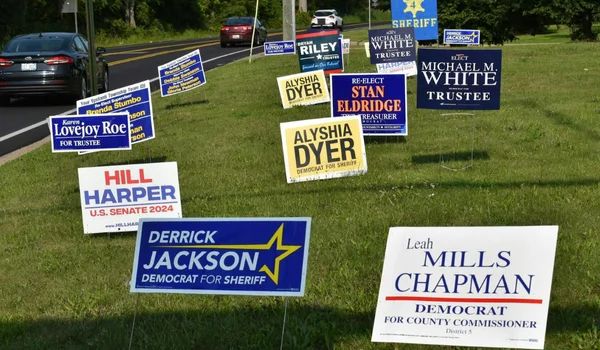
Political signs are a common sight in Pennsylvania—on lawns, along roads, near polling places, and sometimes even on public property. During election season, emotions run high, and so do disputes over political signs. This often raises a simple but important question:
Is it illegal to remove political signs in Pennsylvania?
The short answer is: Yes, in many situations, removing political signs can be illegal—but the full answer depends on where the sign is placed, who owns the property, and who removes it.
This article explains the law in plain English, with real-life examples, so both everyday citizens and legal professionals can clearly understand their rights and responsibilities.
Why Political Signs Are Protected in the U.S.
Political signs are more than just cardboard and stakes—they are considered a form of free speech under the First Amendment of the U.S. Constitution.
That doesn’t mean signs can be placed anywhere without rules, but it does mean that removing or damaging them without permission can lead to legal trouble.
Pennsylvania law protects:
- Private property rights
- Freedom of expression
- Election integrity
When these overlap, things can get complicated.
When Removing Political Signs Is Illegal in Pennsylvania
- Removing Signs From Private Property (Most Common Issue)
If a political sign is placed on someone else’s private property with permission, removing it without consent is usually illegal.
This can apply to:
- Front lawns
- Apartment balconies
- Business storefronts
- Fences and yards
Example:
Your neighbor puts up a campaign sign supporting a candidate you dislike. If you pull it out or throw it away, you could be accused of theft or vandalism.
Key point:
Even if you strongly disagree with the message, you cannot remove a sign from private property you do not own.
- Theft and Criminal Mischief Laws
Pennsylvania doesn’t have a law titled “political sign removal,” but existing criminal laws apply.
Removing or destroying a sign may fall under:
- Theft – taking someone else’s property
- Criminal mischief – damaging or defacing property
Depending on the value of the sign and the damage caused, this could be treated as:
- A summary offense
- Or even a misdemeanor in serious cases
For campaigns, repeated sign theft can add up to significant financial losses.
- Targeting Signs Based on Political Viewpoint
If someone removes signs only from one political party or candidate, it can raise additional concerns, especially near elections.
While Pennsylvania law does not label this as a hate crime, selective removal may be used as evidence of:
- Intentional interference
- Harassment
- Election-related misconduct
For law practices, this is often relevant in civil disputes or injunction requests.
When Removing Political Signs May Be Legal
- You Own the Property
If the sign is placed on your own property—and you did not authorize it—you generally have the right to remove it.
Example:
A campaign volunteer puts a sign on your lawn without asking. You can legally remove it.
However, best practice is:
- Remove it carefully
- Do not damage nearby property
- Avoid confrontations
- Signs Placed Illegally on Public Property
In Pennsylvania, many local governments prohibit political signs on:
- Road medians
- Traffic signs
- Utility poles
- Public parks
If a sign is illegally placed on public property:
- Local authorities can remove it
- Private citizens usually should not, unless authorized
Important:
Even if a sign violates local rules, taking it yourself can still lead to accusations of theft.
- After Election Day (Time Limits Matter)
Many Pennsylvania municipalities have rules requiring political signs to be removed:
- A few days to weeks after Election Day
If a sign remains past the allowed period:
- Municipal workers may remove it
- Property owners may remove signs from their own property
Campaigns that fail to remove signs may face fines or disposal fees.
Special Rules Near Polling Places
Pennsylvania election law places strict limits on political activity near polling locations.
Generally:
- Political signs and campaigning are restricted within a certain distance of polling places
- These rules aim to prevent voter intimidation
Only election officials have authority to enforce and remove signs in these zones.
Removing a sign near a polling place on your own can still be risky.
What Happens If You’re Caught Removing a Political Sign?
Possible consequences include:
- Police warning
- Fine
- Criminal charges (theft or vandalism)
- Civil lawsuit for damages
- In rare cases, election interference allegations
For law firms, these cases often involve:
- Neighbor disputes
- Campaign-related complaints
- Requests for restraining orders
- Small claims or summary offenses
What Campaigns and Property Owners Should Do
For Campaigns:
- Get written permission before placing signs
- Follow local sign placement rules
- Document sign theft with photos
- File police reports if theft is repeated
For Property Owners:
- Know your local sign ordinances
- Remove unauthorized signs promptly
- Avoid touching signs on others’ property
- Call local authorities when in doubt
Frequently Asked Questions (FAQs)
Is it illegal to remove political signs in Pennsylvania at night?
Yes, time of day does not matter. Removing a sign from private property without permission can still be illegal.
Can HOAs remove political signs?
Yes, in many cases. Homeowners Associations may have sign rules, but they must comply with state and federal free speech protections.
Can I throw away a sign someone put on my lawn?
Yes, if it’s your property and you did not give permission.
Can police arrest someone for removing political signs?
Yes, if it involves theft, vandalism, or repeated offenses.
Final Thoughts: Respect Speech, Respect Property
In Pennsylvania, political disagreement does not give anyone the right to remove or destroy political signs.
The safest rule to remember is simple:
If it’s not your property and not your sign—don’t touch it.
For voters, this protects free expression.
For campaigns, it ensures fair participation.
For law practices, it’s an area where small actions can create real legal consequences.
If you’re unsure, always choose the legal route—not the emotional one.
About the Author