You may have heard this before:
“It’s illegal to kill a praying mantis.”
Many people believe it’s a crime everywhere in the United States. But is that actually true?
Let’s break this down clearly and simply.
🦗 First, What Is a Praying Mantis?
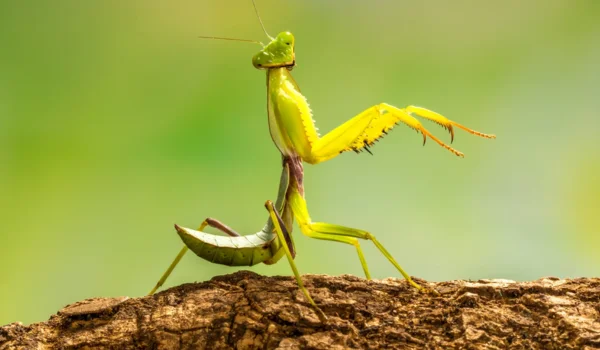
A praying mantis is an insect known for:
- Folded front legs that look like it’s praying
- Triangular head and big eyes
- Ability to turn its head
- Eating other insects
One of the most common species in the U.S. is the Carolina mantis, which is native to North America.
Other species, like the Chinese mantis, were introduced for garden pest control.
❓ Is It Illegal to Kill a Praying Mantis in the United States?
Short Answer:
In most states, it is NOT illegal to kill a praying mantis.
There is no federal law in the United States that specifically makes it a crime to kill a praying mantis.
That popular rumor you may have heard?
It’s largely a myth.
📜 Why Do People Think It’s Illegal?
There are a few reasons this rumor spread:
1️⃣ They’re Beneficial Insects
Praying mantises eat:
- Flies
- Mosquitoes
- Beetles
- Garden pests
Because they are helpful to farmers and gardeners, people started assuming they must be legally protected.
2️⃣ Confusion With Protected Species
Some insects are protected under laws like the:
- Endangered Species Act
If a specific mantis species were ever listed as endangered, then killing that species would be illegal. But currently, common mantis species are not federally protected.
⚖️ Are There Any Situations Where It Could Be Illegal?
Even though there’s no general federal ban, there are some situations where killing a praying mantis could cause legal issues.
1️⃣ If It’s in a Protected Area
If you’re in:
- A national park
- A state park
- A wildlife refuge
You generally cannot disturb wildlife — including insects — without permission.
For example, harming wildlife in areas managed by the National Park Service can lead to fines.
In these locations, killing any animal or insect may violate park rules.
2️⃣ If the Species Is Protected at the State Level
Some states protect certain native wildlife species. While mantises are usually not listed as protected, laws change.
If a rare mantis species were classified as threatened in a specific state, killing it could be illegal.
3️⃣ If You Use Illegal Methods
If someone uses:
- Illegal pesticides
- Poison in a way that harms the environment
- Cruel or reckless methods
You could violate environmental or animal cruelty laws — not because it’s a mantis, but because of the method used.
🏡 What About Killing One in Your Yard?
In most states:
If you find a praying mantis in your backyard and kill it, you are unlikely to face criminal charges.
However, experts recommend not killing them because:
- They help control pests naturally
- They are harmless to humans
- They rarely damage plants
From a practical standpoint, they’re more helpful than harmful.
🧑⚖️ Could Animal Cruelty Laws Apply?
Animal cruelty laws usually protect:
- Pets
- Livestock
- Certain wildlife
Insects are generally not covered under most state cruelty statutes.
That means killing a praying mantis typically does not fall under criminal animal cruelty laws.
🌎 Are Praying Mantises Endangered?
Currently, common species found in U.S. gardens are not endangered.
However, environmental changes can affect insect populations over time. Laws could change in the future if a species becomes threatened.
🐞 Should You Kill a Praying Mantis?
Even if it’s legal in most places, here’s something to consider:
Praying mantises:
- Do not sting
- Do not spread disease
- Rarely bite (and only if threatened)
- Help reduce harmful insect populations
They are actually natural pest control.
Most gardeners are happy to see one.
🧠 Common Myths
Let’s clear up some misinformation:
Myth: It’s a federal crime to kill a praying mantis.
Fact: No federal law specifically bans it.
Myth: You can go to jail automatically.
Fact: Only in rare situations, like harming wildlife in protected areas.
Myth: All mantises are endangered.
Fact: Most common species in the U.S. are not endangered.
🚨 When Should You Be Careful?
Be cautious if:
- You are inside a national or state park
- The insect is in a protected wildlife area
- Local laws restrict harming wildlife
- You’re using chemicals that violate environmental laws
If you’re unsure, it’s always safest to leave wildlife alone.
📝 Quick Summary
| Question | Answer |
| Is it illegal to kill a praying mantis in the U.S.? | Usually no |
| Is there a federal law protecting them? | No |
| Can it be illegal in parks or protected areas? | Yes |
| Are they endangered? | Most common species are not |
| Should you kill one? | Generally, no need — they’re beneficial |
🐾 Final Thoughts
The idea that killing a praying mantis is always illegal is mostly a myth.
In most everyday situations in the United States, it is not illegal to kill one. However, harming wildlife in protected areas or using illegal methods could cause problems.
More importantly, praying mantises are helpful creatures that play a role in keeping garden ecosystems balanced.
So while you probably won’t face jail time for killing one in your backyard, the better choice is often simple:
Let it live — it’s likely helping you more than hurting you.
About the Author