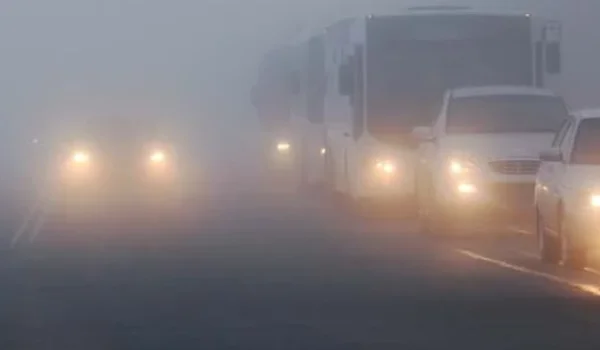
Fog lights can be helpful when visibility drops, but many drivers are unsure when they’re actually allowed to use them. You may have heard someone say:
“You can get a ticket for driving with fog lights on.”
So what’s the truth?
Is it illegal to drive with fog lights on in the United States?
The short answer is: Sometimes yes, sometimes no.
It depends on your state’s vehicle laws, the weather conditions, and how your fog lights are used.
This article breaks it down in simple terms so everyday drivers and legal professionals can clearly understand when fog lights are legal—and when they can get you pulled over.
What Are Fog Lights and Why Do Cars Have Them?
Fog lights are designed to:
- Improve visibility in fog, mist, heavy rain, or snow
- Shine low and wide to reduce glare
- Light the road edges rather than far ahead
They are not meant for normal nighttime driving.
The General Rule Across Most U.S. States
Most states follow a similar principle:
Fog lights should only be used in poor visibility conditions.
Driving with fog lights on during clear weather can be considered:
- Improper lighting
- Distracting or blinding to other drivers
- A violation of vehicle equipment laws
When Driving With Fog Lights Is Usually Legal
In most states, fog lights are allowed when:
- There is fog
- Visibility is reduced by rain or snow
- Dust or smoke limits sight distance
- Weather conditions make standard headlights less effective
Some states also allow fog lights:
- In combination with low-beam headlights
- When visibility drops below a certain distance (often around 500 feet)
When Driving With Fog Lights Can Be Illegal
- Using Fog Lights in Clear Weather
Many states prohibit using fog lights when:
- There is no fog or poor weather
- Visibility is clear
- You are driving normally at night
In these situations, fog lights may be considered unnecessary and distracting.
- Using Fog Lights Instead of Headlights
In most states:
- Fog lights do not replace headlights
- You must still use headlights at night or in low visibility
Driving with only fog lights and no headlights can lead to a citation.
- Using Fog Lights With High Beams
In many states:
- Fog lights cannot be used at the same time as high beams
- This combination can blind oncoming drivers
Police commonly stop drivers for this reason.
- Fog Lights That Are Too Bright or Modified
Fog lights must meet legal requirements regarding:
- Brightness
- Color (usually white or yellow)
- Height from the ground
Aftermarket or modified fog lights that are too bright may violate vehicle equipment laws—even if fog lights themselves are allowed.
State-by-State Differences Matter
There is no single nationwide fog light law. Each state sets its own rules.
For example:
- Some states allow fog lights only in poor weather
- Others allow them anytime if properly installed
- Some restrict the number of auxiliary lights you can use
Because of this, what’s legal in one state may not be legal in another.
Can You Get Pulled Over Just for Fog Lights?
Yes.
In many states, driving with fog lights on improperly can give police legal grounds for a traffic stop. This often leads to:
- A warning
- A fix-it ticket
- A fine
For law practices, these stops sometimes lead to:
- Search and seizure issues
- DUI investigations
- Equipment violation defenses
Common Myths About Fog Lights
Myth: “Fog lights are legal anytime.”
Truth: Not always—many states limit their use.
Myth: “If my car came with fog lights, I can use them whenever I want.”
Truth: Factory installation does not override state law.
Myth: “Police won’t stop you just for fog lights.”
Truth: They can, and sometimes do.
Practical Tips for Drivers
- Use fog lights only when visibility is poor
- Turn them off when weather clears
- Never use fog lights alone at night
- Avoid using them with high beams
- Check your state’s vehicle code
What Law Firms Should Know (Legal Insight)
For legal professionals, fog light stops often involve:
- Equipment violation defenses
- Pretextual traffic stops
- Suppression motions
- Disputes over lighting compliance
Key legal questions include:
- Whether weather conditions justified fog light use
- Whether the lights met legal brightness standards
- Whether the stop was lawful under state law
Frequently Asked Questions (FAQs)
Is it illegal to drive with fog lights on at night?
It depends on the state and weather conditions. In clear weather, it may be illegal.
Can fog lights be used during rain?
Usually yes, if visibility is reduced.
Are yellow fog lights legal?
In many states, yes—but color rules vary.
Can you get a ticket for using fog lights incorrectly?
Yes, typically as an equipment or lighting violation.
Final Verdict: Know When to Use Them
In the U.S., driving with fog lights on is not automatically illegal, but improper use can result in a ticket or traffic stop.
A simple rule to remember:
Fog lights are for fog and poor visibility—not everyday driving.
For everyday drivers, using them correctly avoids fines and glare.
For law firms, these cases often hinge on small details with bigger legal consequences.
About the Author