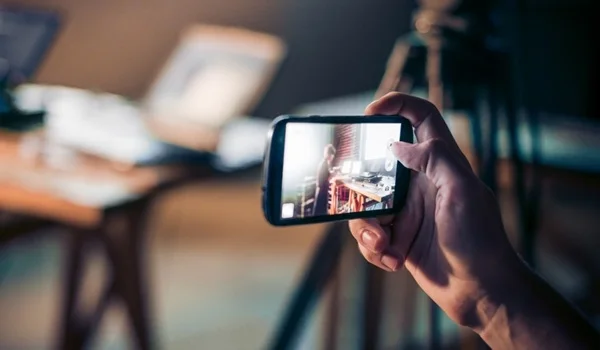
With smartphones, security cameras, TikTok videos, and social media everywhere, many people ask:
“Is it illegal to video record someone without their permission?”
The answer in the United States is:
Sometimes yes, sometimes no.
Whether recording someone is legal depends on several important factors, including:
- Where the recording happens
- Whether audio is included
- Privacy expectations
- State laws
- How the recording is used
In many public situations, video recording is completely legal. But in private places or sensitive situations, secretly recording someone can lead to:
- Criminal charges
- Civil lawsuits
- Privacy claims
- Harassment allegations
This article explains U.S. laws on video recording in simple language, including public vs. private spaces, audio recording rules, workplace recordings, social media risks, and what can make recording illegal.
Is Video Recording Someone Without Permission Illegal?
Not automatically.
In the United States, video recording laws generally focus on:
- Privacy expectations
- Consent laws
- Whether audio is captured
- Location of the recording
A very important legal concept is:
“Reasonable expectation of privacy.”
If someone reasonably expects privacy, recording them secretly becomes much more legally risky.
Public Places vs. Private Places
This is the biggest distinction in U.S. recording law.
| Location | Recording Usually Legal? |
| Public streets | Often yes |
| Parks | Usually yes |
| Restaurants | Sometimes |
| Shopping malls | Depends on policies |
| Bathrooms | Usually illegal |
| Locker rooms | Usually illegal |
| Bedrooms | Often illegal without consent |
| Private offices | Depends on privacy expectations |
The more private the setting, the stronger the legal protections usually become.
What Is a “Reasonable Expectation of Privacy”?
Courts often ask:
Would a reasonable person expect privacy in this situation?
Examples where people usually expect privacy:
- Bathrooms
- Dressing rooms
- Medical offices
- Hotel rooms
- Private homes
- Confidential meetings
Examples where privacy expectations are weaker:
- Sidewalks
- Public events
- Crowded streets
- Public protests
This legal concept is central to most recording disputes.
Video Recording Without Audio vs. Audio Recording
Many people do not realize that audio recording laws are often stricter than video laws.
Silent Video Recording
May be legal in many public settings.
Audio Recording
Can trigger wiretapping or consent laws in some states.
Some states require:
- One-party consent
- Two-party consent
- All-party consent
That means recording someone’s voice secretly may create legal problems even if the video itself was lawful.
Are Hidden Cameras Illegal?
Sometimes yes.
Hidden cameras become especially risky in places where privacy is expected.
Secret recording in locations such as:
- Bathrooms
- Bedrooms
- Locker rooms
- Changing areas
can lead to serious criminal charges in many states.
Voyeurism and invasion-of-privacy laws are often involved in these cases.
Is It Legal to Record Someone in Public?
In many situations, yes.
Generally, people in public spaces have fewer privacy protections.
For example, recording:
- Public events
- Street activity
- Traffic incidents
- Public performances
is often legal.
However, legal problems may still arise if the recording involves:
- Harassment
- Stalking
- Defamation
- Commercial misuse
- Aggressive behavior
Can You Record Police Officers?
In many cases, yes.
Courts across the United States have increasingly recognized the right to record police officers performing duties in public spaces, as long as:
- You do not interfere
- You stay at a safe distance
- You obey lawful orders
Recording public officials in public settings is often protected under free speech principles.
Can Businesses Record Customers?
Usually yes in many public-facing areas.
Businesses often use cameras for:
- Security
- Theft prevention
- Liability protection
Common examples include:
- Stores
- Parking lots
- Banks
- Restaurants
However, businesses generally cannot legally place hidden cameras in highly private areas.
Many businesses also post surveillance notices to reduce privacy disputes.
Can Employers Record Employees?
Employers may use workplace surveillance in some situations, but there are legal limits.
Recording may be allowed for:
- Security
- Safety
- Productivity monitoring
However, secret recording in highly private areas can violate laws.
Employees may also have protections under:
- Labor laws
- Union agreements
- State privacy laws
Audio recording rules remain especially important.
Is It Illegal to Record Someone in Your Own House?
Not necessarily.
But even in your own home, recording someone secretly in private situations can still create legal problems.
For example:
- Recording guests in bathrooms
- Secret bedroom surveillance
- Hidden audio recording
may violate privacy laws despite property ownership.
Owning the property does not eliminate all privacy rights.
Can You Post Videos of People Online Without Permission?
Sometimes yes, sometimes no.
Posting public recordings online may still create legal risks involving:
- Defamation
- Harassment
- False light claims
- Commercial use violations
- Privacy invasion
Social media has made these disputes far more common.
Even legally recorded videos can create lawsuits if edited deceptively or used maliciously.
What Is “False Light” Privacy Law?
Some states recognize claims involving:
Misleadingly portraying someone in a false or embarrassing way.
This can happen if:
- Videos are edited deceptively
- Context is manipulated
- Captions create false impressions
Even true footage can sometimes create legal disputes if presented misleadingly.
Can Schools Use Cameras?
Yes, many schools use cameras for:
- Security
- Student safety
- Discipline investigations
However, schools must still follow privacy laws, especially regarding:
- Audio recording
- Bathrooms
- Locker rooms
- Student records
Special rules may apply under:
Family Educational Rights and Privacy Act
What About Doorbell Cameras?
Devices like:
- Ring cameras
- Home surveillance systems
- Smart security cameras
are generally legal in many states when monitoring:
- Front doors
- Driveways
- Public-facing areas
However, legal concerns may arise if cameras:
- Record neighbors excessively
- Capture private areas
- Include illegal audio recording
When Video Recording Can Become Criminal
Illegal recording may lead to criminal charges involving:
- Voyeurism
- Stalking
- Harassment
- Wiretapping
- Invasion of privacy
Penalties vary widely by state.
Serious violations can sometimes lead to:
- Jail time
- Fines
- Sex offense charges in extreme cases
Common Situations That Cause Confusion
| Situation | Potential Legal Risk |
| Recording an argument in public | Often legal |
| Secretly filming someone in a bathroom | Usually illegal |
| Recording a workplace meeting | Depends on state law |
| Filming neighbors from your property | Depends on privacy expectations |
| Posting viral confrontation videos | Possible defamation/privacy issues |
| Recording inside a private home | Depends on consent and context |
Can Someone Sue You for Recording Them?
Yes.
Possible legal claims may include:
- Invasion of privacy
- Emotional distress
- Harassment
- Defamation
- Unauthorized commercial use
Civil lawsuits can happen even if criminal charges are never filed.
Why State Laws Matter So Much
Recording laws differ significantly across states.
For example:
- California has strict all-party audio consent laws
- Some states allow one-party audio consent
- Privacy expectations vary by jurisdiction
That is why nationwide online advice can sometimes be misleading.
How to Stay Safe Legally When Recording
Here are practical tips to reduce legal risks.
Avoid Hidden Cameras in Private Areas
This is where most criminal problems arise.
Be Careful With Audio
Audio recording laws are often stricter.
Respect Privacy Expectations
Public settings are generally safer legally.
Avoid Harassment
Repeated recording can become stalking or intimidation.
Think Before Posting Online
Viral videos can create lawsuits very quickly.
What To Do If Someone Recorded You Illegally
If you believe you were unlawfully recorded:
- Save evidence
- Document the situation
- Preserve messages or screenshots
- Consult a lawyer if necessary
- Report serious violations to law enforcement
Privacy rights may allow both civil and criminal remedies.
Final Thoughts
In the United States, video recording someone without permission is not automatically illegal, especially in public places where privacy expectations are low.
However, recording becomes much more legally risky when:
- Hidden cameras are used
- Audio is secretly captured
- Private spaces are involved
- Harassment or exploitation occurs
The biggest legal factor is usually whether the person reasonably expected privacy.
Before recording someone, it is smart to consider:
- Where the recording occurs
- Whether audio is included
- State privacy laws
- How the footage may later be used
Modern technology makes recording easy, but privacy laws still place important limits on when and how people can legally film others.