
Knee replacement surgery has helped millions of people regain mobility and reduce chronic pain. Medical technology has advanced significantly, and many patients experience life-changing improvements after receiving a knee implant. However, not every procedure goes as planned. In some cases, patients experience complications caused by defective knee implants, surgical errors, or device failures.
When these problems occur, patients may consider filing a lawsuit to seek compensation for medical costs, lost income, and other damages. But one of the most important legal rules that affects these cases is the statute of limitations.
The statute of limitations determines how long a person has to file a lawsuit after an injury or medical problem occurs. Missing this deadline can mean losing the right to pursue compensation entirely.
This guide explains the statute of limitations for knee replacement lawsuits in simple terms so that both everyday readers and legal professionals can better understand the rules and risks involved.
What Is a Knee Replacement Lawsuit?
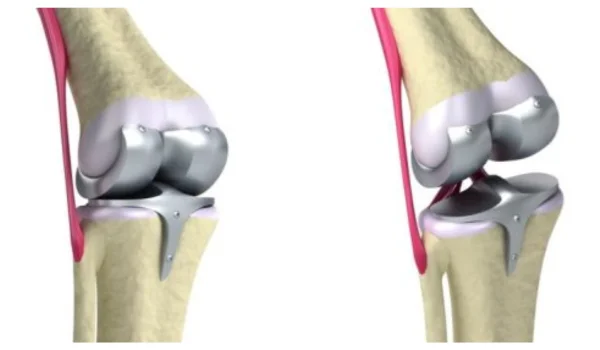
A knee replacement lawsuit is typically filed when a patient experiences serious complications related to a knee implant or surgery.
Common reasons for these lawsuits include:
- Defective knee implant devices
- Premature implant failure
- Metal poisoning from implant components
- Infection caused by faulty medical devices
- Surgical errors during the procedure
- Lack of proper warnings from manufacturers
Many knee replacement cases focus on product liability claims against medical device manufacturers. Others involve medical malpractice claims against healthcare providers.
Regardless of the type of claim, the statute of limitations plays a critical role in determining whether the case can move forward.
Understanding the Statute of Limitations
The statute of limitations is a legal time limit for filing a lawsuit. Every state in the United States has its own deadlines depending on the type of claim.
If a lawsuit is filed after the deadline expires, courts will usually dismiss the case—even if the claim itself is valid.
The purpose of these deadlines is to ensure that:
- Evidence remains reliable
- Witness memories are still accurate
- Legal disputes are resolved within a reasonable time
For knee replacement lawsuits, the applicable statute of limitations depends on the legal claim being filed.
Typical Time Limits for Knee Replacement Lawsuits
Most knee replacement lawsuits fall under one of two legal categories:
Product Liability Claims
If the case involves a defective knee implant manufactured by a medical device company, it usually falls under product liability law.
In many states, the statute of limitations for product liability claims ranges from two to three years from the date the injury occurred or was discovered.
However, these timelines vary widely by state.
Medical Malpractice Claims
If the lawsuit involves a surgeon’s mistake during the knee replacement procedure, it may fall under medical malpractice law.
Medical malpractice claims often have shorter deadlines and may also include additional legal requirements such as expert medical review.
In many states, the filing deadline is typically two years from the date of the injury or the date the error was discovered.
Because these deadlines differ by state, it is important for patients to consult a qualified attorney as soon as possible.
The Discovery Rule in Knee Replacement Cases
One of the most important legal concepts in knee replacement lawsuits is the discovery rule.
The discovery rule allows the statute of limitations to begin when the patient discovers—or reasonably should have discovered—the injury, rather than the exact date of the surgery.
This rule is especially important in cases involving defective implants.
For example, a patient might receive a knee implant in 2018 but only begin experiencing serious complications in 2022. In some states, the statute of limitations may start when the patient first learns that the implant may be defective.
However, the discovery rule is not unlimited. Many states also have a statute of repose, which places an absolute time limit on lawsuits regardless of when the injury was discovered.
What Is a Statute of Repose?
A statute of repose sets a final deadline for filing lawsuits related to a product or medical procedure.
Unlike the statute of limitations, which may start when an injury is discovered, the statute of repose typically begins when the product was sold or the surgery occurred.
For example, some states may prevent lawsuits more than 10 years after the knee implant was placed, even if problems appear later.
This rule can significantly impact knee replacement litigation.
Common Complications Leading to Knee Replacement Lawsuits
Many knee replacement lawsuits arise from complications related to defective implants or surgical issues.
Some of the most common problems include:
Implant Loosening
A poorly designed implant may become loose inside the joint, causing severe pain and limited mobility.
Metal Wear and Debris
Certain knee implants use metal components that can wear down over time, releasing particles into the surrounding tissue.
Infection
Infections after knee replacement surgery can be serious and may require additional surgeries.
Early Implant Failure
Some implants fail much earlier than expected, forcing patients to undergo revision surgery.
Revision surgery is often more complex and carries additional risks.
Why Timing Matters in Knee Replacement Lawsuits
Waiting too long to file a claim can have serious consequences.
Once the statute of limitations expires, the court will typically refuse to hear the case. This means the injured patient may lose the opportunity to recover compensation.
Additionally, early legal action can help preserve critical evidence, such as:
- Medical records
- Implant identification numbers
- Surgical reports
- Expert testimony
The longer a patient waits, the more difficult it may become to gather this evidence
Compensation Available in Knee Replacement Lawsuits
If a knee replacement lawsuit is filed within the statute of limitations and is successful, the plaintiff may be able to recover several types of damages.
These may include:
Medical Expenses
Costs related to surgeries, hospital visits, medications, and rehabilitation.
Revision Surgery Costs
Patients often require additional procedures to remove or replace defective implants.
Lost Income
Injuries may prevent patients from working or reduce their earning capacity.
Pain and Suffering
Physical pain and emotional distress caused by the defective implant or surgical error.
Long-Term Disability
Some patients experience permanent mobility problems that affect their quality of life.
Tips for Patients Considering a Knee Replacement Lawsuit
Patients who believe their knee implant may be defective should take several important steps.
Seek medical evaluation immediately.
A doctor can help determine whether the implant is functioning properly.
Keep all medical records and documents.
These records can serve as critical evidence in a lawsuit.
Avoid delaying legal consultation.
Speaking with an attorney early can help ensure the statute of limitations does not expire.
Document symptoms and complications.
Maintaining a record of pain, mobility issues, and medical visits can strengthen a case.
What Law Firms Should Consider
For attorneys handling knee replacement cases, statute of limitations analysis is one of the first steps in evaluating a claim.
Law firms should carefully review:
- The date of the surgery
- When symptoms first appeared
- When the patient discovered the potential defect
- Applicable state statutes and repose periods
These factors determine whether the case can proceed.
In addition, many knee implant lawsuits involve complex medical evidence and expert testimony, making early case preparation essential.
Final Thoughts
The statute of limitations for knee replacement lawsuits is one of the most critical legal factors affecting whether patients can pursue compensation after complications from surgery or defective implants.
Because these deadlines vary by state and may involve discovery rules or statutes of repose, understanding the timeline is essential.
For patients, acting quickly after discovering complications can help protect their legal rights. For law firms, careful investigation and early filing are key to building a strong case.
As medical technology continues to evolve, knee replacement litigation will remain an important area of law focused on patient safety, accountability, and fair compensation for those harmed by defective medical devices or medical negligence.