When people search for the Hawthorne Residential Partners lawsuit, they are usually trying to understand one of three things:
- Is the company being sued?
- Does it affect tenants or investors?
- What kind of legal issues are involved?
This article explains the topic in simple, clear language for everyday readers while also providing structured insights that law practices and compliance professionals can use.
Important note: A lawsuit is an allegation — not proof of wrongdoing. Cases evolve over time, and claims must be proven in court or resolved through settlement.
Who Is Hawthorne Residential Partners?
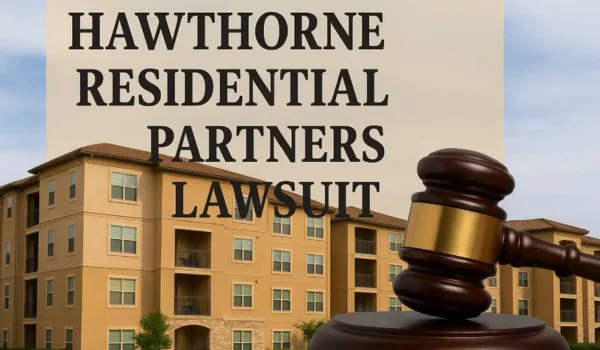
Hawthorne Residential Partners is a U.S.-based real estate investment and property management company. It focuses mainly on:
- Multifamily apartment communities
- Property development and renovation
- Real estate investment management
- Apartment leasing and operations
The company operates across multiple states and manages thousands of residential units. With that scale comes legal exposure — especially in the housing industry, which is heavily regulated.
Why Do Property Management Companies Face Lawsuits?
Large apartment operators like Hawthorne Residential Partners can face lawsuits for many reasons. These typically fall into several categories:
- Tenant-Related Disputes
These are the most common.
Possible claims include:
- Security deposit disputes
- Maintenance or habitability complaints
- Lease termination conflicts
- Allegations of improper fees
- Eviction-related disputes
Not every tenant complaint becomes a lawsuit, but when disagreements escalate, litigation can follow.
- Fair Housing and Discrimination Claims
Federal and state laws — especially the Fair Housing Act — prohibit discrimination based on race, religion, disability, family status, and other protected characteristics.
If a tenant believes:
- They were denied housing unfairly
- Rent terms were applied differently
- Reasonable accommodation was denied
They may file a complaint or lawsuit.
For law firms, these cases often involve detailed documentation review, policy audits, and compliance procedures.
- Employment-Related Lawsuits
Property management companies employ leasing agents, maintenance staff, regional managers, and corporate teams.
Employment lawsuits may involve:
- Wage and hour disputes
- Overtime pay issues
- Misclassification of employees
- Harassment or discrimination claims
These cases typically focus on labor law compliance rather than criminal wrongdoing.
- Investor or Partnership Disputes
Because Hawthorne Residential Partners operates as a real estate investment firm, disputes may also arise between:
- Investment partners
- Property co-owners
- Contractors
- Developers
These lawsuits often involve:
- Contract interpretation
- Profit-sharing disagreements
- Alleged breach of fiduciary duties
Such cases tend to be more complex and document-heavy.
- Construction or Development Litigation
Real estate development frequently leads to legal disputes involving:
- Construction defects
- Contractor performance issues
- Delay claims
- Building code compliance
These are typically commercial civil disputes, not consumer lawsuits.
How a Lawsuit Typically Starts
For everyday readers, here’s how a lawsuit against a property management company usually works:
- A complaint is filed in state or federal court.
- The complaint outlines allegations.
- The company responds, either denying claims or filing motions.
- Evidence is exchanged.
- The case may settle, be dismissed, or proceed to trial.
Most real estate-related lawsuits settle before trial.
Does a Lawsuit Mean the Company Did Something Wrong?
Not necessarily.
In the U.S. legal system:
- Anyone can file a lawsuit.
- The burden of proof is on the person making the claim.
- Many cases resolve without admission of fault.
For example:
- A tenant may believe a fee was unfair.
- The company may argue it followed the lease agreement.
- A judge or settlement determines the outcome.
Allegations are not the same as proven violations.
Possible Outcomes of a Hawthorne Residential Partners Lawsuit
Depending on the case type, outcomes may include:
Case Dismissal
If the court finds insufficient evidence, the case may be dismissed early.
Settlement
This is the most common result.
- Payment to the plaintiff
- Policy changes
- No admission of wrongdoing
Court Judgment
If the case goes to trial:
- The judge or jury decides
- Monetary damages may be awarded
- Injunctions (orders to change behavior) may be issued
Policy Updates
Sometimes companies voluntarily update:
- Lease agreements
- Maintenance procedures
- Fair housing training
- Employee compliance systems
What Tenants Should Know
If you are a tenant in a property managed by Hawthorne Residential Partners and you hear about a lawsuit:
- It does not automatically affect your lease.
- It does not automatically invalidate your rental agreement.
- It does not mean the property is unsafe.
If you have concerns:
- Review your lease carefully.
- Document maintenance requests.
- Communicate in writing.
- Seek local tenant advocacy advice if needed.
What Investors Should Know
Investors often worry whether lawsuits impact property value or business stability.
Important points:
- Most large property management firms handle routine litigation as part of normal operations.
- Insurance often covers certain types of claims.
- Isolated lawsuits typically do not threaten long-term operations unless systemic violations are proven.
However, repeated regulatory or fair housing violations could raise compliance red flags.
What This Means for Law Practices
For attorneys, the Hawthorne Residential Partners lawsuit topic highlights several recurring real estate litigation themes:
Risk Management Areas
- Fair housing compliance
- Fee disclosure transparency
- Lease clarity
- Maintenance documentation
- Employment classification audits
Litigation Strategy Considerations
- Early motion practice (motion to dismiss)
- Arbitration clauses in leases
- Mediation strategies
- Insurance carrier involvement
Regulatory Trends
Courts increasingly scrutinize:
- Junk fees in rental housing
- Screening practices
- Algorithm-based rent pricing systems
- Disability accommodation handling
Real estate operators face heightened compliance expectations.
The Bigger Picture: Why Real Estate Lawsuits Are Increasing
Several factors contribute to more litigation in the housing industry:
- Rising rent prices
- Increased tenant awareness of rights
- Stronger state consumer protection laws
- Social media visibility
- Post-pandemic housing stress
Large operators become high-profile targets simply because of scale.
How Companies Protect Themselves Legally
Major property management companies often implement:
- Mandatory fair housing training
- Legal review of lease documents
- Complaint escalation systems
- Internal audits
- Outside counsel risk reviews
Proactive compliance reduces — but does not eliminate — lawsuit risk.
Key Takeaways
- Hawthorne Residential Partners is a large multifamily property management firm.
- Lawsuits involving such companies typically relate to tenant disputes, fair housing claims, employment issues, or investment conflicts.
- A lawsuit does not equal guilt.
- Most civil real estate cases settle before trial.
- Compliance, documentation, and transparency are central to defense strategy.
Final Thoughts
The term “Hawthorne Residential Partners lawsuit” reflects the reality that any large housing provider may face legal challenges at some point. For everyday tenants, the most important thing is understanding your lease and knowing your rights. For investors, it’s about assessing risk in context. For law practices, these cases serve as important compliance and litigation case studies.