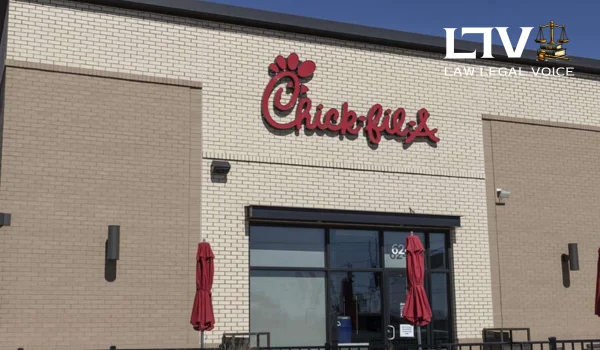
Chick-fil-A is one of the most recognizable fast-food brands in the United States. Known for its chicken sandwiches, customer service, and rapid growth, the company operates thousands of locations nationwide—mostly through a unique franchise-operator model.
With that kind of size and visibility, it’s not surprising that Chick-fil-A has faced class action lawsuits over the years. When people search for a “Chick-fil-A class action lawsuit,” they’re usually trying to understand what the claims are, whether they’re affected, and what the lawsuits say about business practices in large restaurant chains.
This article breaks it all down—what Chick-fil-A class action lawsuits typically involve, how these cases work, what courts look at, and why these lawsuits matter to consumers, workers, and legal professionals.
What Is a Class Action Lawsuit?
A class action lawsuit is a legal case where one or a few people sue on behalf of a larger group who experienced the same or similar harm.
Instead of thousands of people filing individual lawsuits, the court allows them to proceed together as a “class” if:
- The legal issues are similar
- The alleged harm affected many people
- A single case is more efficient and fair
Class actions are common in industries like:
- Fast food and retail
- Banking and finance
- Technology and data privacy
- Employment and labor law
Why Has Chick-fil-A Faced Class Action Lawsuits?
There is no single, universal “Chick-fil-A class action lawsuit.” Instead, the term refers to multiple lawsuits over time, often focused on a few recurring themes:
- Employment and wage practices
- Pricing and consumer transparency
- Data privacy and digital transactions
- Advertising or marketing claims
Most of these lawsuits do not accuse Chick-fil-A of intentional wrongdoing. Rather, they allege that certain practices violated labor laws or consumer protection rules.
Employment-Related Class Action Lawsuits
The Most Common Category
The most frequent class action lawsuits involving fast-food chains—including Chick-fil-A—are employment and wage-and-hour cases.
These cases are usually filed by:
- Hourly workers
- Assistant managers
- Delivery or drive-thru staff
Typical Allegations Include:
- Unpaid overtime
Workers claim they were required to work extra hours without proper overtime pay. - Off-the-clock work
Allegations that employees were expected to prep, clean, or stay late without being clocked in. - Missed meal or rest breaks
In states like California, employers must provide specific breaks. Failure to do so can trigger class actions. - Misclassification of workers
Claims that some employees were labeled as “exempt” from overtime when they legally should not have been.
Why These Cases Happen
Fast-food environments move quickly. Managers juggle staffing shortages, rush hours, and strict budgets. Even small policy errors—applied across hundreds of locations—can affect thousands of workers.
Chick-fil-A’s Franchise Model Complicates These Cases
One unique issue in Chick-fil-A lawsuits is who is legally responsible.
Most Chick-fil-A restaurants are:
- Independently operated by franchisees
- Controlled day-to-day by local operators
Plaintiffs sometimes argue that:
- Corporate policies influence labor practices
- Chick-fil-A should be treated as a “joint employer”
Chick-fil-A often responds that:
- Individual operators control hiring, scheduling, and pay
- Corporate is not the direct employer
Courts analyze this carefully, and outcomes vary depending on the facts.
Consumer Pricing and Transparency Lawsuits
Another category of Chick-fil-A class action lawsuits focuses on consumer pricing practices.
Common Claims Include:
- Hidden fees or surcharges
- Price differences between in-store and app orders
- Delivery markups not clearly disclosed
Consumers may allege that:
- Prices advertised did not match final charges
- Digital ordering platforms lacked transparency
Why These Lawsuits Matter
Consumer protection laws require businesses to:
- Clearly disclose pricing
- Avoid misleading or deceptive practices
Even small differences—when applied across millions of transactions—can trigger class action claims.
Data Privacy and App-Related Claims
As Chick-fil-A expanded its mobile app, loyalty program, and online ordering, data privacy concerns have also come into focus.
Possible Allegations in This Area:
- Collection of location data without clear consent
- Sharing user data with third-party partners
- Inadequate disclosures in privacy policies
These cases often rely on:
- State privacy laws
- Consumer protection statutes
- Digital consent requirements
Not every claim succeeds, but they reflect a broader trend in modern litigation involving apps and customer data.
What Happens During a Chick-fil-A Class Action Lawsuit?
Step 1: Filing the Complaint
Plaintiffs file a lawsuit explaining:
- Who was harmed
- How the company’s conduct allegedly broke the law
- Why a class action is appropriate
Step 2: Class Certification
The court decides whether the case can proceed as a class action. This is often the most critical phase.
Step 3: Discovery
Both sides exchange documents, policies, emails, and testimony.
Step 4: Resolution
The case may end through:
- Dismissal
- Settlement
- Trial (less common)
Most class actions settle before trial.
Do Settlements Mean Chick-fil-A Admitted Guilt?
No.
In most class action settlements:
- The company denies wrongdoing
- Settlement is a business decision
- It avoids prolonged litigation costs and uncertainty
Settlements often include:
- Compensation for class members
- Changes to policies
- No admission of liability
What Do Consumers or Employees Usually Receive?
That depends on the case.
Possible Outcomes Include:
- Cash payments (often modest per person)
- Store credits or vouchers
- Policy changes going forward
- Attorneys’ fees paid separately
In employment cases, settlements may also include:
- Back pay
- Overtime adjustments
- Improved scheduling practices
Why These Lawsuits Matter to Everyday People
For Employees
- Reinforces wage and hour protections
- Encourages fair pay practices
- Creates accountability in large systems
For Consumers
- Promotes transparency in pricing
- Protects digital privacy
- Improves clarity in advertising
Class actions give individuals a voice when individual lawsuits would be impractical.
Why These Cases Matter to Law Practices
From a legal standpoint, Chick-fil-A class action lawsuits touch on:
- Employment and labor law
- Franchise liability
- Consumer protection statutes
- Data privacy regulations
- Class certification strategy
They are often used as reference cases in:
- Franchise defense
- Wage-and-hour compliance
- Corporate risk management
Common Misunderstandings About Chick-fil-A Lawsuits
❌ “Chick-fil-A is constantly being sued”
Large companies face lawsuits simply because of scale.
❌ “Class actions mean massive payouts”
Most class members receive modest amounts; attorneys’ fees are regulated by courts.
❌ “A lawsuit means bad business ethics”
Not necessarily—many cases involve gray areas or evolving legal standards.
How Chick-fil-A and Similar Companies Respond
Companies often respond by:
- Updating training programs
- Improving time-tracking systems
- Revising app disclosures
- Strengthening compliance audits
Even when lawsuits are dismissed or settled, they often lead to operational improvements.
What Should Employees or Consumers Do If They’re Affected?
- Read official class action notices carefully
- Check eligibility deadlines
- Submit claim forms on time
- Understand that participation usually waives separate lawsuits
No action is automatic—you typically must file a claim to receive benefits.
Final Thoughts
The phrase “Chick-fil-A class action lawsuit” doesn’t describe a single scandal or crisis. Instead, it reflects how modern, nationwide businesses operate under complex labor, consumer, and privacy laws.
For everyday people, these lawsuits are about fairness, transparency, and accountability.
For law practices, they are valuable examples of how class actions shape corporate behavior and legal standards.
Class action lawsuits aren’t about tearing companies down—they’re about setting boundaries, clarifying responsibilities, and balancing power between corporations and individuals.