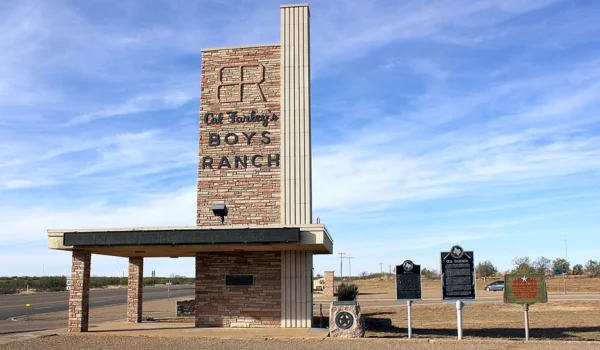
When people hear the name Cal Farley’s, they usually think of a long-standing nonprofit organization focused on helping children and families in need. Known for programs like Cal Farley’s Boys Ranch, the organization has a strong public reputation built over decades of charitable work.
That’s why any mention of a “Cal Farley’s lawsuit” naturally raises questions. How does a nonprofit dedicated to helping children end up involved in legal action? What were the allegations? Were they proven? And what lessons does the situation offer for nonprofits, donors, families, and legal professionals?
This article explains the Cal Farley’s lawsuit in a clear, factual, and easy-to-understand way, separating public concern from legal reality, and showing why such cases matter far beyond one organization.
Who Is Cal Farley’s?
Cal Farley’s is a Texas-based nonprofit organization founded in the 1930s. It is best known for:
- Cal Farley’s Boys Ranch, a residential program for at-risk youth
- Foster care and family support services
- Education, counseling, and independent living programs
The organization operates primarily in Texas and has received donations from individuals, corporations, and foundations across the United States.
Because Cal Farley’s works with children, it is held to especially high legal and ethical standards — both by regulators and the public.
What Does “Cal Farley’s Lawsuit” Refer To?
The term “Cal Farley’s lawsuit” does not point to one single, massive case. Instead, it refers to legal actions and claims that have involved the organization over time, including:
- Employment-related lawsuits
- Claims involving duty of care
- Allegations of misconduct tied to former staff or residents
- Administrative or regulatory disputes
Importantly, lawsuits involving nonprofits do not automatically mean wrongdoing was proven. Many cases involve allegations that are disputed, dismissed, or resolved through settlement without an admission of fault.
Why Do Nonprofits Like Cal Farley’s Face Lawsuits?
Nonprofits that serve vulnerable populations — especially children — face unique legal risks.
Some common reasons include:
- Employment Disputes
Like any large organization, nonprofits employ staff, supervisors, counselors, and administrators. Employment-related lawsuits may involve claims of:
- Wrongful termination
- Retaliation
- Discrimination
- Hostile work environment
These cases are governed by the same labor and employment laws that apply to for-profit companies.
- Negligence and Duty of Care Claims
Organizations caring for minors have a legal duty to provide a reasonably safe environment. Lawsuits may arise when someone alleges that the organization:
- Failed to supervise adequately
- Failed to respond to warning signs
- Did not follow internal safety policies
Even when policies exist, plaintiffs may argue they were not properly enforced.
- Allegations Involving Former Staff or Residents
In some cases, lawsuits involve alleged misconduct by individual employees, rather than institutional wrongdoing. Plaintiffs may still name the organization under legal theories such as:
- Negligent hiring
- Negligent supervision
- Failure to report or prevent harm
These claims often focus on what the organization knew or should have known at the time.
Understanding the Legal Concepts Without the Jargon
To make sense of a Cal Farley’s lawsuit, it helps to understand a few basic legal ideas — explained simply.
Negligence
Negligence means failing to act with reasonable care. In lawsuits involving youth programs, courts often ask:
- Were safety policies reasonable?
- Were staff properly trained?
- Were concerns reported and addressed?
Negligence does not require intentional harm.
Vicarious Liability
This is a legal concept where an organization may be held responsible for actions taken by employees within the scope of their job. It does not automatically apply to all misconduct — especially if actions violated clear rules.
Settlement vs. Verdict
Many lawsuits end in settlement, not a court verdict.
- A settlement is not an admission of guilt
- Organizations often settle to avoid long trials, legal costs, and uncertainty
- Confidentiality clauses are common
This is especially true for nonprofits that want to avoid diverting resources from their mission.
What Happens During a Lawsuit Like This?
Step 1: A Claim Is Filed
A lawsuit begins when a plaintiff files a complaint outlining alleged facts and legal claims.
Step 2: The Organization Responds
Cal Farley’s (or any nonprofit) typically denies wrongdoing and may file motions to dismiss if the claims lack legal merit.
Step 3: Evidence Is Exchanged
This phase, called discovery, includes documents, emails, policies, and witness testimony.
Step 4: Resolution
The case may end through:
- Dismissal
- Settlement
- Trial verdict (less common)
Most nonprofit-related lawsuits do not reach a jury trial.
Why These Lawsuits Matter to Everyday People
For families, donors, and the general public, lawsuits involving nonprofits raise understandable concerns.
Trust and Transparency
People want assurance that organizations working with children are accountable and transparent.
Accountability Without Assumption
It’s important to balance concern for potential victims with fairness to organizations and staff. Allegations alone do not equal proof.
Improved Safeguards
Even when lawsuits are resolved without findings of wrongdoing, they often lead to:
- Stronger training
- Better reporting systems
- Improved oversight
Why These Cases Matter to Law Practices
From a legal perspective, lawsuits involving organizations like Cal Farley’s are complex and important.
They Combine Multiple Legal Areas
These cases may involve:
- Nonprofit governance law
- Employment law
- Tort law (negligence)
- Child protection statutes
- Insurance and indemnity issues
High Emotional and Public Sensitivity
Cases involving children demand careful handling, ethical responsibility, and trauma-informed legal strategy.
Risk Management Lessons
Lawyers advising nonprofits often use such cases to help clients:
- Review hiring and screening practices
- Strengthen incident reporting
- Update compliance policies
- Improve staff training documentation
Did Cal Farley’s Admit Wrongdoing?
In lawsuits involving Cal Farley’s, there has not been a broad, public admission of systemic wrongdoing by the organization as a whole.
Like many nonprofits, Cal Farley’s has historically stated that it:
- Takes allegations seriously
- Cooperates with investigations
- Works to protect children and families
- Updates policies as needed
Each case stands on its own facts.
How Nonprofits Typically Respond After Lawsuits
Even when legal claims are disputed or dismissed, responsible organizations often take steps such as:
- Reviewing internal policies
- Enhancing staff training
- Strengthening background checks
- Improving complaint reporting systems
- Engaging third-party audits or consultants
These actions are common across the nonprofit sector and are often driven by risk management rather than legal guilt.
Common Misconceptions About Nonprofit Lawsuits
❌ “If there’s a lawsuit, the organization must be corrupt”
Not true. Lawsuits can arise from allegations, misunderstandings, or isolated incidents.
❌ “Settlements mean guilt”
Also not true. Settlements are strategic decisions, not admissions.
❌ “Nonprofits are immune from lawsuits”
Absolutely false. Nonprofits are subject to the same civil laws as other organizations.
What Can Families and Donors Take Away From This?
- Ask questions — transparency matters
- Understand that legal systems exist to resolve disputes, not assign public blame
- Look at how organizations respond to challenges, not just headlines
An organization’s response and corrective actions often say more than the lawsuit itself.
Final Thoughts
The phrase “Cal Farley’s lawsuit” reflects a broader reality: even well-known, mission-driven nonprofits operate in complex legal environments. When organizations work with children, the legal, ethical, and emotional stakes are especially high.
For everyday people, these cases reinforce the importance of accountability, due process, and informed understanding — not assumptions.
For law practices, they highlight the intersection of nonprofit law, child welfare, employment issues, and risk management.
Ultimately, lawsuits are tools of the legal system — not verdicts in the court of public opinion. Understanding them clearly helps everyone involved make better, fairer judgments.
About the Author