
What the Law Really Says in the United States
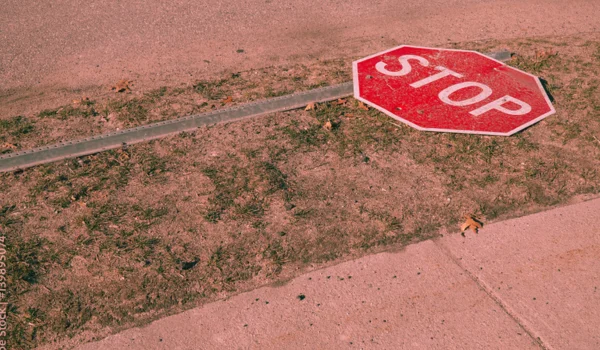
You’re walking down the street or driving by and notice a street sign lying on the ground. It looks abandoned—maybe knocked over by a storm or hit by a car. A common thought crosses many people’s minds:
“If the street sign already fell, is it illegal to take it?”
The short answer is: Yes, in most cases, it is still illegal to take a street sign—even if it fell on its own.
But the reasons why may surprise you. This article explains the law in simple terms so everyday people and legal professionals can clearly understand what’s allowed and what can lead to serious legal trouble.
The Key Rule to Know First
A fallen street sign is not abandoned property.
Even if:
- It’s on the ground
- It looks damaged
- No one is around
…it is still government property.
That single fact controls most of the legal analysis.
Why Taking a Fallen Street Sign Is Usually Illegal
- Street Signs Are Government Property
Street signs are owned by:
- City governments
- County governments
- State transportation departments
Because they are public property, only authorized workers (like public works or transportation crews) can remove them.
Taking one without permission is treated as stealing government property, not “finding” something.
- Theft Laws Still Apply
In every U.S. state, theft laws generally say:
- If you take property that doesn’t belong to you
- Without permission
- And intend to keep it
…it can be considered theft.
The fact that the sign fell does not cancel ownership.
Example:
Picking up a fallen stop sign and putting it in your garage can still lead to criminal charges.
- Public Safety Is a Major Concern
Street signs aren’t decorations—they are safety devices.
Missing or damaged signs can:
- Cause car accidents
- Confuse drivers
- Put pedestrians at risk
- Delay emergency responders
Because of this, the law treats missing signs seriously—even if someone didn’t knock it down themselves.
- Many States Have Specific Laws About Traffic Signs
Some states go further and make it a specific offense to:
- Remove
- Damage
- Possess
…traffic control devices like stop signs, yield signs, and speed limit signs.
Penalties can be more serious than ordinary theft because of safety risks.
“But It Was Already on the Ground”—Does That Matter?
Not legally, in most cases.
The law usually focuses on:
- Ownership, not condition
- Intent, not how it fell
Even if:
- A storm knocked it over
- A car accident caused it to fall
- It was lying there for days
…it is still not free to take.
When Taking a Street Sign Might Be Legal
There are very limited situations where possession could be lawful:
- You Are Authorized by the City or State
If you are:
- A city worker
- A contractor
- Someone instructed by authorities to move it
Then removal is legal.
- You Are Moving It Only to Improve Safety
In some situations, temporarily moving a sign out of traffic to prevent an immediate danger may be justified.
Example:
- Dragging a fallen sign out of the road to avoid accidents
However:
- You should not keep it
- You should report it immediately
Keeping the sign afterward changes the situation legally.
- The Sign Was Legally Sold or Decommissioned
Sometimes cities:
- Replace old signs
- Sell scrap materials
- Auction surplus property
If you bought the sign legally with documentation, possession is allowed.
What Happens If You’re Caught With a Street Sign?
Possible consequences include:
- Theft charges (misdemeanor or felony, depending on value)
- Fines
- Community service
- Restitution to the city
- Additional charges if public safety was affected
For law firms, these cases often appear simple but can escalate due to:
- Accident liability
- Property damage claims
- Traffic safety violations
What You Should Do If You See a Fallen Street Sign
Instead of taking it:
- Call the city’s non-emergency number
- Report it to public works
- Use local reporting apps (many cities have them)
- If it’s dangerous, call local police (non-emergency)
Reporting it protects:
- Drivers
- Pedestrians
- You
Common Myths About Taking Street Signs
Myth: “If it’s on the ground, it’s abandoned.”
Truth: Government property is almost never abandoned.
Myth: “Everyone has street signs at home—it’s no big deal.”
Truth: Enforcement may be inconsistent, but the law is clear.
Myth: “It’s just a prank.”
Truth: Pranks can still be crimes.
What Law Firms Should Know (Legal Insight)
For legal professionals, street sign cases can involve:
- Theft of government property
- Criminal mischief
- Public endangerment
- Civil liability after accidents
- Juvenile offenses (very common)
Key issues include:
- Proof of intent
- Value of the sign
- Whether safety was compromised
- Prior warnings or patterns of behavior
Final Takeaway: Fallen Doesn’t Mean Free
In the United States, taking a street sign that fell is usually illegal, even if you didn’t knock it down.
A simple rule to remember:
If it belongs to the government, don’t take it—report it.
For everyday people, this can prevent fines or charges.
For law firms, these cases show how small actions can lead to serious legal consequences.