What Homeowners, Voters, Campaigns, and Law Firms Should Know
Political yard signs are everywhere during election season in Georgia—on front lawns, at busy intersections, outside businesses, and sometimes in places where they probably shouldn’t be. Because emotions run high around elections, people often ask:
Is it illegal to remove political signs in Georgia?
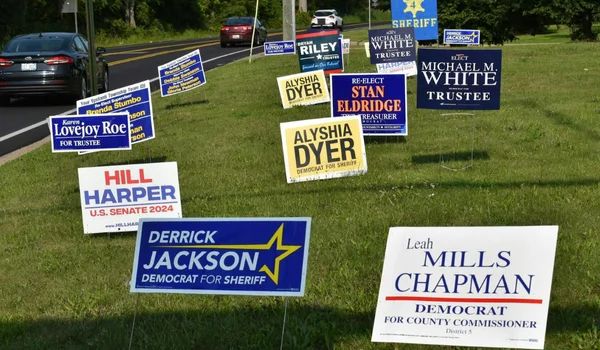
The short answer is yes, it often is. But whether removing a political sign is illegal depends on where the sign is placed, who owns the property, and who removes it.
This article breaks Georgia law down in simple terms so everyday citizens and legal professionals can clearly understand what’s allowed—and what can get someone into trouble.
Why Political Signs Matter Under the Law
Political signs are considered a form of free speech under the First Amendment of the U.S. Constitution. While states and cities can regulate where and how signs are placed, they generally cannot allow people to destroy or remove them just because they dislike the message.
Georgia law balances three key things:
- Free speech rights
- Private property rights
- Public safety and election integrity
When these overlap, disputes happen—especially during heated elections.
When Removing Political Signs Is Illegal in Georgia
- Removing Signs From Private Property Without Permission
In most cases, removing a political sign from private property you do not own is illegal in Georgia.
This includes signs placed on:
- Front lawns
- Apartment patios or balconies
- Business property
- Fences and yards
Even if you strongly disagree with the candidate or message, you cannot legally remove the sign.
Why this matters:
Under Georgia law, the sign is considered the personal property of the person or campaign that placed it (with permission). Removing it can be treated as theft or property damage.
- Theft and Vandalism Laws Apply
Georgia does not have a law titled “political sign theft,” but existing criminal laws are used.
Removing or destroying a political sign may fall under:
- Theft by taking – taking someone else’s property without consent
- Criminal damage to property – destroying or defacing the sign
Even though a sign may seem inexpensive, repeated removal or targeting multiple signs can increase the seriousness of the offense.
- Selectively Targeting One Political Party or Candidate
If someone removes only signs from:
- One political party
- One specific candidate
- One viewpoint
This may be used as evidence of intentional interference or harassment, especially if done near an election.
For law practices, these situations often show up in:
- Campaign disputes
- Police complaints
- Civil claims for damages or injunctions
When Removing Political Signs May Be Legal in Georgia
- The Sign Is on Your Own Property
If a political sign is placed on your property without your permission, you generally have the right to remove it.
Example:
A campaign volunteer places a sign on your lawn or business property without asking. You can remove it.
However, it’s wise to:
- Remove it carefully
- Avoid damaging nearby property
- Not keep or reuse the sign
- Signs Placed Illegally on Public Property
Georgia and local governments often restrict political signs on:
- Road medians
- Traffic signs and poles
- Highway rights-of-way
- Public parks
If a sign violates local rules:
- Government or city workers can remove it
- Private citizens usually should not unless authorized
Taking a sign yourself—even if it’s illegally placed—can still lead to accusations of theft.
- After Election Day Time Limits
Many Georgia cities and counties require political signs to be removed:
- A certain number of days after Election Day
If a campaign fails to remove signs on time:
- Local authorities may remove them
- Fines or cleanup costs may be charged
Property owners can remove signs from their own property, but should not remove signs from others’ land.
Special Rules Near Polling Places in Georgia
Georgia election law limits political activity near polling locations.
Typically:
- Campaign signs and advocacy are restricted within a defined distance of polling places
- The goal is to prevent voter intimidation or influence
Only election officials or authorized personnel should remove signs in these areas.
Removing signs near polling places on your own can lead to legal issues—even if your intentions are good.
What Happens If Someone Is Caught Removing Political Signs?
Possible consequences in Georgia include:
- Police warnings
- Fines
- Misdemeanor charges
- Civil lawsuits for damages
- Court orders to stop repeated behavior
For law firms, these cases commonly involve:
- Neighbor disputes
- Campaign sign theft
- HOA enforcement conflicts
- Local ordinance violations
Guidance for Campaigns and Property Owners
For Campaigns:
- Get clear permission before placing signs
- Follow local sign placement laws
- Keep records of sign locations
- Document theft or vandalism with photos
For Property Owners:
- Know your local sign rules
- Remove unauthorized signs from your own property
- Do not touch signs on neighboring property
- Contact local authorities if a sign seems illegally placed
Frequently Asked Questions (FAQs)
Is it illegal to remove political signs in Georgia at night?
Yes. Time of day does not change the law. Removing a sign from private property without permission can still be illegal.
Can an HOA ban political signs?
Some HOAs can limit size or placement, but they must follow state and federal free speech protections.
Can police arrest someone for stealing political signs?
Yes, especially if it involves repeated theft or property damage.
Can I remove a sign from a public road median?
No. That is typically the responsibility of local authorities.
Final Takeaway: Don’t Let Politics Create Legal Trouble
In Georgia, political signs are protected by property and free speech laws. Disliking a message does not give anyone the right to remove or destroy it.
A simple rule to remember:
If it’s not your property and not your sign—don’t touch it.
For voters, this protects free expression.
For campaigns, it ensures fair participation.
For law practices, it’s a common source of preventable legal disputes.