
Yes, certain medical conditions can make a person appear impaired during a field sobriety test, even when they have not consumed alcohol or drugs. Conditions affecting balance, coordination, vision, speech, or concentration may cause someone to struggle with roadside exercises that police officers use to assess possible impairment.
State College, Pennsylvania, is home to Penn State University and has a busy community of students, residents, and visitors. Local roads serve university traffic, commuters, and people traveling through Centre County. Drivers facing questions about a DUI investigation may seek guidance from a State College DUI lawyer to understand how medical history and testing procedures may affect their case.
How Do Medical Conditions Affect Field Sobriety Tests?
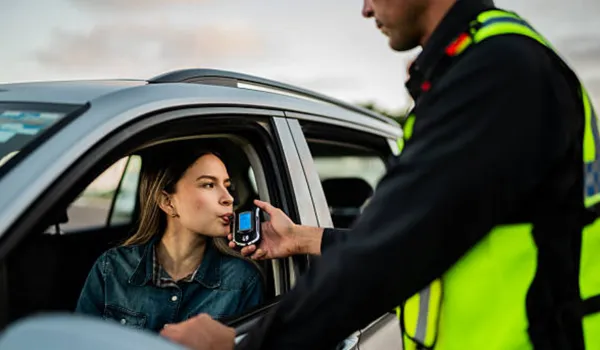
Field sobriety tests involve physical and mental tasks that help officers observe possible signs of impairment. However, the results may be influenced by a person’s health, physical abilities, and medications.
For example, someone with a balance disorder may struggle to walk in a straight line. Another person with a neurological condition may have difficulty following instructions or controlling eye movements.
Three commonly used standardized field sobriety tests include
Walk-and-Turn Test
The driver must take several heel-to-toe steps along a straight line, turn, and walk back. A person with arthritis, leg injuries, or balance problems may struggle to complete this exercise.
One-Leg Stand Test
The driver must stand on one foot while maintaining balance and following instructions. Conditions affecting the inner ear, muscles, joints, or nervous system can make this difficult.
Horizontal Gaze Nystagmus Test
The officer observes the driver’s eye movements while following a moving object. Certain neurological conditions, eye disorders, and medications may affect involuntary eye movements.
Which Medical Conditions Can Make Someone Appear Impaired?
Several health conditions can influence the observations made during roadside testing.
Diabetes and Low Blood Sugar
Hypoglycemia, or low blood sugar, can cause sweating, confusion, dizziness, weakness, and difficulty concentrating. These symptoms may resemble signs of intoxication.
Inner Ear Disorders
Conditions such as vertigo and other vestibular disorders can affect balance and coordination. A person experiencing these symptoms may struggle with walking or standing exercises.
Neurological Conditions
Parkinson’s disease, multiple sclerosis, and certain nerve disorders can affect movement, coordination, and muscle control. These limitations may influence performance during physical sobriety tests.
Physical Injuries and Chronic Pain
An injured ankle, knee, hip, or back can make it difficult to stand steadily or walk heel-to-toe. Pain may also affect concentration and the ability to follow instructions.
Prescription Medication Side Effects
Some medications cause dizziness, drowsiness, blurred vision, or slower reactions. These effects can influence how a person performs during roadside testing, even when the medication is being used as prescribed.
Can Police Officers Consider Medical Conditions During Testing?
Yes. Medical conditions and physical limitations are relevant when officers evaluate field sobriety test performance.
Officers should ask appropriate questions about injuries, disabilities, medications, and existing medical conditions. They should also consider whether the driver can safely perform the requested exercises.
For instance, a driver with a documented knee injury may be unable to complete the one-leg stand test. Treating that difficulty as definite proof of intoxication without considering the injury could lead to an inaccurate interpretation.
What Pennsylvania Laws Apply to DUI Investigations?
Pennsylvania Consolidated Statutes §3802 establishes offenses involving driving under the influence of alcohol or controlled substances. The prosecution must establish the applicable legal requirements rather than relying solely on an individual’s difficulty completing a roadside exercise.
75 Pa.C.S. §1547 addresses chemical testing, including breath and blood testing, under Pennsylvania’s implied consent law. These chemical tests are different from preliminary roadside observations and standardized physical exercises.
A medical condition does not automatically dismiss a DUI charge, but relevant medical evidence may help challenge the interpretation of testing results.
What Should You Do If a Medical Condition Affects Your Test?
If a health condition could interfere with roadside testing, consider these steps:
- Explain your medical condition to the officer.
- Identify any injuries or physical limitations that affect movement.
- Mention relevant prescription medications.
- Keep medical records and treatment documentation.
- Preserve any available body-camera or dash-camera footage through the appropriate legal process.
- Record the names of medications and healthcare providers who can verify your condition.
Do not ignore an urgent medical problem during a traffic stop. If you experience severe symptoms, communicate the need for medical attention.
Frequently Asked Questions
Can anxiety affect field sobriety test results?
Yes. Severe anxiety can cause trembling, sweating, rapid breathing, and difficulty concentrating. These symptoms may influence how someone responds to instructions.
Can a person pass a breath test but struggle with field sobriety exercises?
Yes. Breath testing and physical sobriety exercises assess different things. A person may have no measurable alcohol in their breath but still struggle with balance or coordination because of a medical condition.