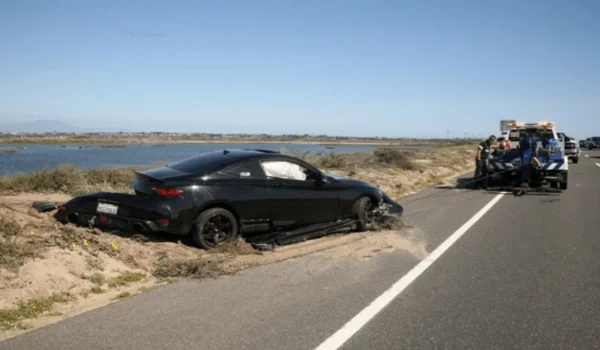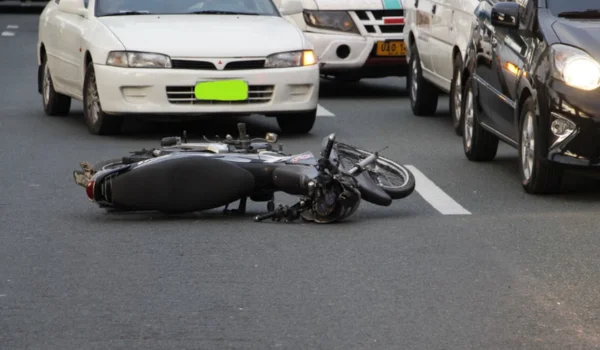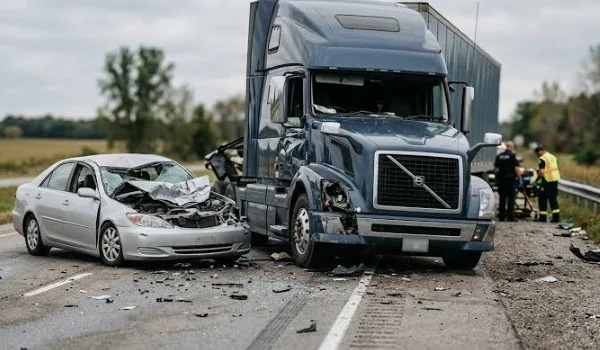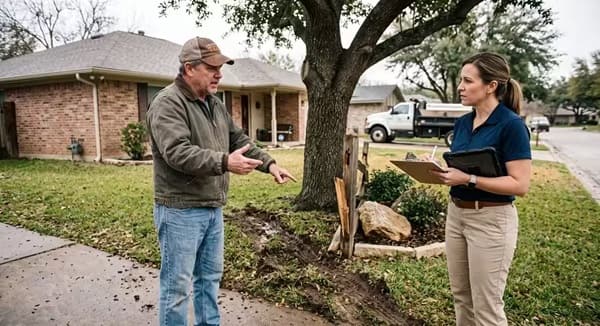
A car crash can be surprisingly simple at the scene and complicated a week later. The drivers exchange information, the vehicles are towed away, and everyone leaves with a different memory of what happened. In Arkansas, disputes over fault can affect whether an injured person recovers damages, so the details behind a collision deserve a close look.
For a driver who is being blamed for a wreck they believe was not their fault, a car accident lawyer can help sort through competing accounts. That review may include the crash report, photographs, witness statements, vehicle damage, medical records, and other information that helps put the accident in order.
Start With What Each Driver Says
The first problem in a disputed crash is often that both people remember it differently. One driver may say they had the right of way while the other says otherwise. A driver may remember being stopped while the other recalls both vehicles moving.
Neither account settles the issue by itself. A person’s statement is evidence, but it is only one part of the picture. Road position, traffic controls, and physical damage can add useful details.
Look at the Road, Not Just the Vehicles
People naturally focus on the cars after a wreck. The roadway can tell another part of the story. A photo of the intersection may show a stop sign, turn lane, barrier, or traffic signal that matters to the sequence of events. Skid marks or scattered debris can also provide context. Weather and lighting may matter when the crash happened at night or during heavy rain.
This is one reason photographs taken soon after the collision can be useful. Road conditions change. Vehicles get moved, and repairs begin. A scene that was easy to understand on the day of the crash may look very different later.
Witnesses Can Fill In Missing Pieces
A witness may remember something neither driver noticed. A passenger, pedestrian, nearby driver, or business employee could have seen the traffic signal, vehicle positions, or what happened just before impact.
Gather witness information while memories are still fresh, and record contact information accurately. The goal is an accurate account, not simply people who support one side.
What If Both Drivers Made Mistakes?
Arkansas uses a comparative-fault rule in personal injury and property-damage actions based on fault. Under Arkansas Code § 16-64-122, a claimant whose fault is less than that of the party or parties from whom damages are sought may recover damages reduced in proportion to the claimant’s fault. If the claimant’s fault is equal to or greater than the fault of those parties, the claimant cannot recover those damages.
That means an accident does not always become a simple winner-or-loser situation. A person can be partly responsible and still have a claim, depending on the circumstances and the percentages of fault involved.
For example, imagine a driver was following too closely when another vehicle made an unsafe turn across the driver’s path. The facts may support some responsibility on both sides. How much responsibility belongs to each person is a fact-specific question.
Insurance Companies Have Their Own Review
An insurance company may gather photographs, statements, repair estimates, and other records after a claim is reported. The adjuster’s view of fault may not match the injured driver’s understanding of the crash.
That can be frustrating when the insurer points to one detail while ignoring another. Responding with records is generally more useful than arguing over the phone. Keep copies of letters, emails, claim forms, recorded statements, and settlement offers.
The target law firm’s Arkansas car accident page notes that a police report can be useful when determining liability and that fault may require a broader investigation.
When the Dispute Does Not Go Away
Once the insurer receives the documentation, some disputes may be resolved. Others require further investigation. Conflicting witnesses, unclear traffic signals, multiple vehicles, or serious injuries can make the sequence of events complicated.
A lawyer may review the available records, identify gaps, and determine whether additional evidence is needed. In a complicated collision, that could include examining vehicle damage or consulting an accident reconstruction professional.
The important thing is not to decide too quickly that the loudest version of the story must be correct. A crash leaves behind more information than the drivers’ first impressions. Preserve the records, keep your account of events clear, and let the available facts help establish what really happened.