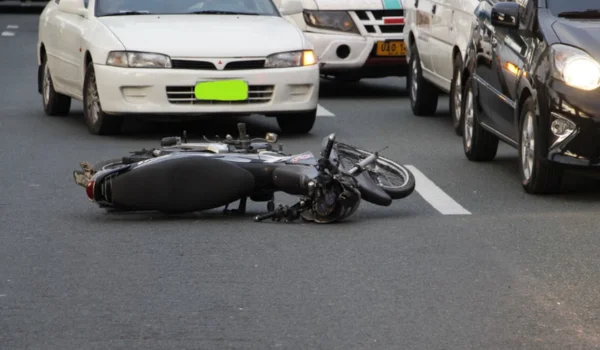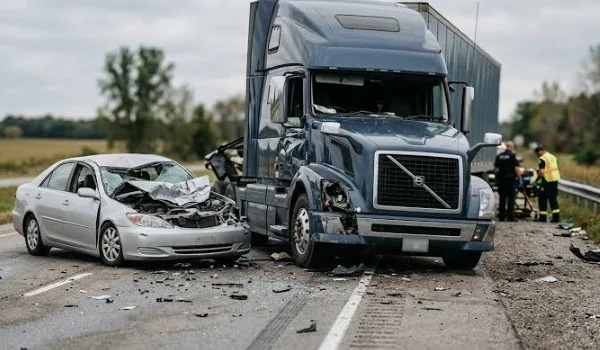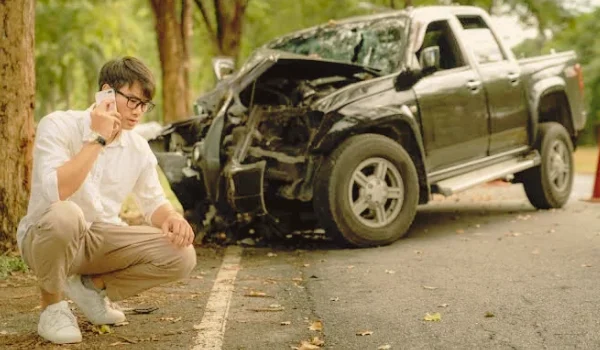
Yes, faulty adaptive cruise control can contribute to a rear-end accident in Houston if the system fails to detect a slowing vehicle, brakes unexpectedly, or does not maintain a safe following distance. Although this technology helps drivers manage speed and distance, it does not replace the need to pay attention to the road. When a collision occurs, investigators may examine whether a system malfunction, driver error, or another factor contributed to the crash.
Houston is a city in Texas. It has busy freeways, crowded intersections, and roads where traffic can slow down with little warning. Heavy congestion can leave drivers with limited time to react, particularly at highway speeds. Rear-end accidents in Houston may involve distracted driving, tailgating, braking errors, or problems with vehicle safety technology. Understanding how adaptive cruise control works can help explain why these collisions happen.
How Adaptive Cruise Control Works
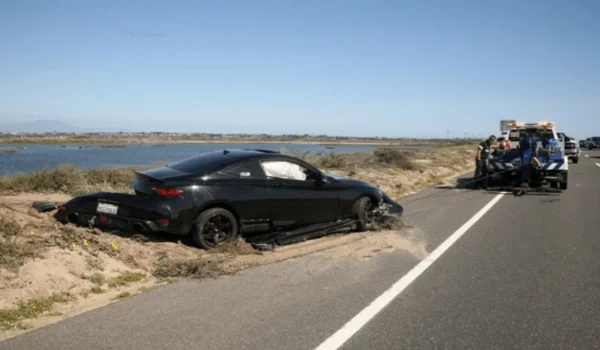
Adaptive cruise control uses radar, cameras, or other sensors to monitor traffic ahead and adjust a vehicle’s speed. Depending on the system, it may slow down when another vehicle enters the lane and accelerate when traffic clears.
However, these systems have limitations. Heavy rain, dirty sensors, sharp curves, and vehicles suddenly cutting into a lane may affect performance. Some systems also require the driver to brake or take control when a situation exceeds their capabilities.
Drivers must follow the manufacturer’s instructions and remain ready to respond when traffic conditions change.
How a Malfunction Can Cause a Collision
A faulty system may contribute to an accident in several ways.
- Failure to slow down: If sensors fail to recognize a vehicle ahead, the system may not reduce speed as expected. The driver may have too little time to avoid hitting the vehicle.
- Unexpected braking: A system that reacts incorrectly to surrounding objects may brake suddenly. A following driver who leaves too little space may then collide with the vehicle.
- Incorrect following distance: If the system fails to maintain the selected gap, the vehicle may approach traffic too closely, increasing the risk of a crash.
- Driver overreliance: Even when the technology works properly, a driver who stops monitoring traffic may fail to respond to a sudden hazard.
A collision does not automatically prove that the system was defective. Investigators must determine whether it operated as intended and how the driver responded.
Determining Who Is Responsible
Responsibility depends on the evidence. A driver may be liable if they were distracted, speeding, or following too closely. A manufacturer or component supplier could face a product liability claim if a defect contributed to the crash. A repair shop may also require investigation if improper servicing affected the system.
Under Texas Civil Practice and Remedies Code Chapter 82, certain product liability claims may be brought when a defective product causes harm. Whether a manufacturer or another party is legally responsible depends on the facts and applicable legal requirements.
Investigators may review vehicle diagnostic data, braking records, repair history, photographs, witness statements, and available event data recorder information. A technical examination may help establish whether a malfunction occurred.
Preserving Evidence After a Crash
Anyone involved in a collision should seek medical attention if injured and report the crash when required. If it is safe, photographs of the vehicles, road conditions, and visible damage can help preserve important details.
Keep repair records and relevant vehicle information. Avoid authorizing repairs or changes that could erase useful diagnostic data before it can be preserved. Do not assume adaptive cruise control caused the collision until the evidence has been examined.
Key Takeaways
- Faulty adaptive cruise control may contribute to rear-end collisions.
- Sensor problems, unexpected braking, and driver overreliance can increase risks.
- Responsibility may depend on driver behavior, a product defect, or other contributing factors.
- Diagnostic data and repair records can help investigators understand what happened.
- Drivers must remain attentive and ready to take control of their vehicles.
Adaptive cruise control can make driving more convenient, but it cannot eliminate the need for careful attention. A thorough investigation can help determine whether a technical problem, driver error, or a combination of factors caused the accident.