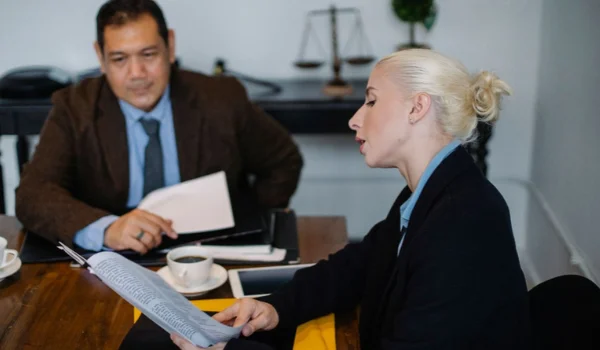
A contractor says an invoice is overdue. The customer says the work was incomplete. Both have emails, photographs, and a different account of what happened. A lawsuit may eventually resolve the dispute, but mediation gives them an earlier opportunity to examine the problem and negotiate a solution.
In mediation, a neutral person helps the parties communicate and explore an agreement. The mediator does not decide who wins. That leaves room for solutions a court might not order, such as a revised project schedule, replacement work, or a payment plan.
Preparation matters. Parties who arrive knowing their evidence, priorities, and authority to settle can spend more of the session working toward an agreement.
Identify the issues that need to be resolved

Start with a short list of the actual disagreements. In a business dispute, those might include whether a contract was performed, how much remains unpaid, and who will complete unfinished work. In a real estate matter, the parties might disagree about a repair, a disclosure, or the timing of a sale.
Separate what happened from what you want to happen next. A party may firmly believe it is owed $50,000 but still prefer a prompt, certain payment over months of litigation. Another may care as much about preserving a business relationship as recovering money.
Write down your preferred outcome and a few alternatives you could realistically accept. You do not need to disclose your limits to the other side at the outset. You do need to understand them yourself, ideally after discussing the legal and financial consequences with your attorney.
Bring the documents that explain the dispute
A useful mediation packet is selective. It should help the mediator and the other side understand the key events without burying them in material that does not change the analysis.
Depending on the case, gather the contract and amendments, important emails or messages, invoices, payment records, photographs, relevant policies, and a timeline of major events. If damages are disputed, prepare a calculation that shows how you reached your figure. Identify documents that may weaken your position, too. The other side is likely to know about them.
Before sending anything to the mediator, ask how submissions will be handled and whether they will be shared with the other participants. Coordinate with counsel about privileged material and information you intend to keep private.
Assess the risks of continuing the case
Mediation works best when each side has considered what may happen if there is no agreement. That means looking beyond the amount demanded in a complaint or letter.
Discuss the strengths and weaknesses of the evidence with your attorney. Consider the cost of additional discovery, expert work, motions, and trial. Think about how long the dispute could continue and how it may affect employees, customers, family members, or business operations. An uncertain outcome is still uncertain even when you feel strongly about your position.
This assessment is not a prediction that one side will win or lose. It gives you a basis for comparing a proposed settlement with the practical cost and risk of continuing.
Make sure the right people can participate
A promising proposal can stall if nobody present can approve it. Before the session, confirm who has authority to settle and whether anyone else must be consulted. In an insured case, that may involve an insurer. In a business dispute, it may involve an owner, executive, or board representative.
If a necessary decision-maker cannot attend, arrange how that person can be reached promptly. Also ask whether the session will be in person, remote, or a combination, and whether everyone has the documents and technology they need.
Mediator fit and availability matter as well. Ask about experience with the type of dispute, the planned length of the session, and fees. Irvine-based Mediation Solutions ADR, for example, offers in-person and remote mediation, including evening and weekend scheduling, with attorney-mediators who handle business, employment, real estate, construction, probate, and other civil disputes.
Understand confidentiality before the session
California generally protects mediation communications under Evidence Code sections 1115–1128. That protection encourages candid discussion, but it has boundaries. Under section 1120, evidence that was otherwise admissible or discoverable does not become protected simply because someone brought it to mediation.
Ask the mediator how private meetings with each side will work and what information may be passed along. California Rule of Court 3.854 addresses confidentiality in those separate conversations for court-connected civil mediations. If a particular document or proposal should remain within your private discussion, say so clearly and confirm how the mediator will handle it.
Do not assume that scheduling mediation pauses a court deadline. If a case has been filed, keep track of filing, discovery, and hearing dates with counsel unless the court or an applicable agreement changes them.
Prepare the terms of a possible agreement
It is easier to settle when the parties have thought through how an agreement would work. If money may change hands, consider the amount, payment dates, and what happens if a payment is missed. For a business relationship, consider who will perform any remaining work and how completion will be confirmed.
Other terms may include the scope of a release, dismissal of a filed case, responsibility for fees, and whether any settlement terms will be confidential. These details can be as important as the headline dollar amount.
If the parties reach an agreement, counsel should review the written terms before anyone signs. California Evidence Code section 1123 sets conditions under which a signed agreement prepared in mediation may be disclosed or admitted later. A brief oral understanding should not be treated as a substitute for a carefully reviewed document.
Leave room for progress without a complete settlement
Some mediations end with a full agreement. Others narrow the issues, produce a partial agreement, or identify the information needed for another discussion. Even when the dispute continues, a session may clarify where the parties genuinely disagree.
The goal is to arrive ready to make informed decisions. Know the facts, understand your risks, bring the people who can authorize a resolution, and think through terms that would work in practice. That preparation gives mediation its best chance to turn a difficult dispute into a workable agreement.
This article provides general information and is not legal advice.