A federal judge has dismissed former Central Intelligence Agency (CIA) Director John Brennan’s lawsuit against the U.S. Department of Justice (DOJ), rejecting his request for a court order requiring the Trump administration to preserve records related to investigations involving him.
On October 15, 2026, U.S. District Judge Jia M. Cobb ruled that Brennan had not established the legal standing necessary to pursue the case. Brennan argued that government records could be crucial to defending himself against any future criminal charges that he believes might be politically motivated.
The lawsuit alleged that the investigations were driven by President Donald Trump’s hostility toward Brennan, a former senior intelligence official who has publicly criticised Trump. However, the judge concluded that Brennan’s concerns about possible future harm were too speculative to justify court intervention at this stage.
The decision is a procedural setback for Brennan, but it does not determine whether the underlying investigations are justified. As of the ruling, Brennan had not been indicted in the investigations described in the court proceedings.
Why Did John Brennan Sue the Justice Department?
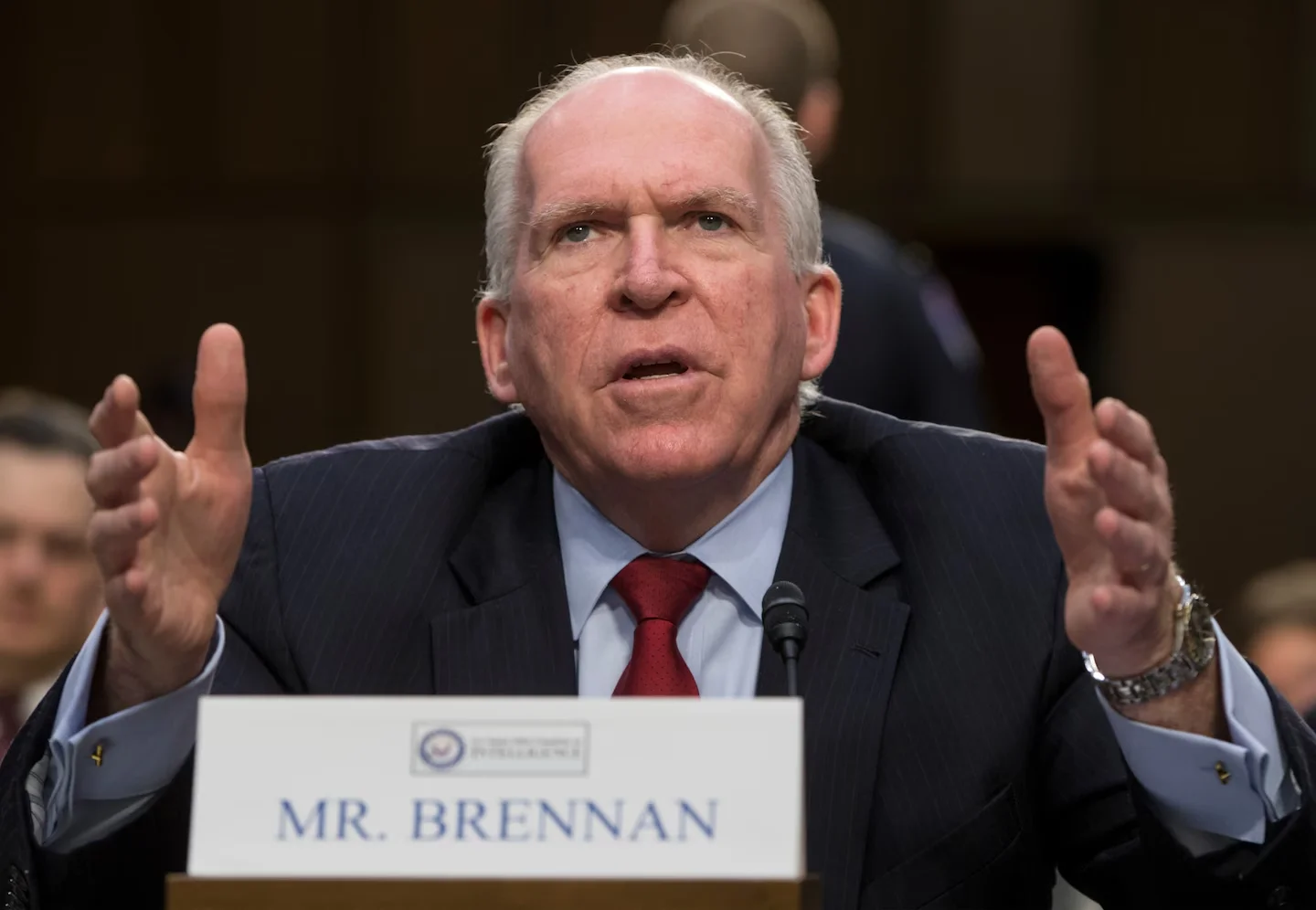
Brennan filed the lawsuit in July 2026, seeking an order requiring federal officials to preserve documents and communications connected to investigations involving him.
His legal team argued that the records could help establish whether any future prosecution was motivated by political retaliation rather than legitimate law enforcement objectives.
The requested records included government communications and other material that might reveal how the investigations were initiated and managed. Brennan’s lawyers argued that preserving such evidence was essential because it could support a future defence based on vindictive or selective prosecution.
Brennan also expressed concern that relevant records might be destroyed or lost, despite government obligations to preserve official records. His attorneys pointed to what they described as irregularities in other government matters to support their concerns about record preservation.
However, the lawsuit did not establish that officials were actually destroying records relevant to a future prosecution of Brennan. Judge Cobb emphasised that Brennan had not specifically demonstrated that the government was failing to preserve the documents at issue.
The court therefore focused on whether he had shown a sufficiently immediate legal injury to justify the requested order, rather than deciding the merits of his allegations about political retaliation.
What Did the Federal Judge Decide?
In her October 15 memorandum opinion, Judge Jia M. Cobb granted the government’s motion to dismiss the case.
The judge acknowledged the seriousness of Brennan’s allegations, noting that claims of politically motivated investigations were deeply concerning. However, she concluded that the possibility of future harm remained too uncertain.
Under U.S. constitutional law, a person generally must demonstrate standing before a federal court can consider a lawsuit. This requires showing a concrete injury, a connection between that injury and the defendant’s conduct, and a likelihood that the requested court action would address the injury.
Brennan sought prospective relief: an order intended to protect evidence for a possible future criminal case. The court found that he had not established that the feared injury was sufficiently imminent.
The judge also noted that Brennan had not shown that the government was failing to preserve relevant records. His concerns were based partly on alleged conduct in other cases and the possibility that similar problems could arise in his own matter.
The court dismissed the lawsuit for lack of standing and denied Brennan’s request for a preliminary injunction as moot.
Importantly, the judge did not decide whether Brennan had been targeted unlawfully or whether any future prosecution would constitute vindictive prosecution. Those questions were not resolved by the dismissal.
Official court document: https://docs.justia.com/cases/federal/district-courts/district-of-columbia/dcdce/1%3A2026cv02323/294102/33
What Investigations Is Brennan Facing?
The lawsuit described investigations into Brennan’s role in intelligence activities concerning the 2016 presidential election and whether he made false statements to Congress.
According to the court record, the Justice Department was investigating whether Brennan had made false statements during congressional testimony about the intelligence community’s assessment of Russian interference in the election.
A separate investigation examined whether officials from previous administrations had participated in a broader conspiracy to undermine Trump’s political prospects or violate his rights.
The court record referred to multiple grand jury inquiries associated with these investigations. However, the existence of an investigation or grand jury proceeding does not establish criminal wrongdoing.
Brennan has denied wrongdoing and has argued that the investigations are politically motivated. The Justice Department’s inquiries had not resulted in an indictment against him as of the October 15 ruling.
The distinction is important: being investigated is not the same as being charged, and being charged is not the same as being convicted.
The History Behind the Brennan-Trump Dispute
The dispute dates back to the 2016 U.S. presidential election and the subsequent investigation into Russian interference.
Russia’s Interference in the 2016 Election
On January 6, 2017, the U.S. intelligence community released an assessment concluding that Russia had interfered in the 2016 election. The assessment said Moscow sought to influence the election in ways that benefited Trump.
Brennan, who was CIA director at the time, participated in the coordination and issuance of the intelligence assessment.
Trump has repeatedly disputed aspects of the intelligence community’s conclusions and has criticised officials associated with the assessment. Brennan, meanwhile, has publicly criticised Trump and his administration over national security and other policy issues.
The disagreement has contributed to a prolonged political conflict between the former CIA director and Trump.
Brennan’s Tenure as CIA Director
Brennan served as CIA director from March 2013 until January 2017 under President Barack Obama.
Before leading the agency, he held several senior national security positions, including serving as White House assistant to the president for homeland security and counterterrorism.
His intelligence career began in 1980, and he worked in several analytical and operational roles before becoming CIA director.
Brennan’s experience at the highest levels of the U.S. intelligence community made his role in the 2016 election assessment particularly significant. His subsequent public criticism of Trump kept him involved in national political debates after leaving government service.
The Investigations Under the Trump Administration
In 2026, Brennan’s lawyers argued that the investigations into his conduct were part of a broader effort to target people perceived as political opponents of the president.
The lawsuit alleged that Trump’s repeated public attacks on Brennan, combined with investigative decisions, suggested a retaliatory motive.
The court record also described allegations that a Justice Department prosecutor had concluded that the case against Brennan was too weak to bring. Such allegations were part of Brennan’s claims and should not be treated as a final judicial finding that the investigation was improper.
Judge Cobb did not determine whether the alleged political motive existed. Instead, she ruled that Brennan had not established the immediate injury necessary to pursue his records-preservation lawsuit.
Can Brennan Challenge a Future Prosecution?
The dismissal does not automatically prevent Brennan from challenging a future criminal case.
If prosecutors eventually bring charges, Brennan could seek to raise legally available defences, including claims that the prosecution was vindictive or selective. Such arguments would require evidence and would be assessed under the applicable legal standards.
A vindictive-prosecution claim generally concerns whether government action was improperly motivated by a desire to punish a person for exercising a protected right. A selective-prosecution claim typically involves allegations that a person was chosen for prosecution on an impermissible basis while similarly situated individuals were treated differently.
Neither claim succeeds merely because a defendant believes an investigation is politically motivated.
The evidence, procedural posture and legal requirements would matter. The October 15 decision did not rule on the merits of any hypothetical future defence.
The dismissal also does not mean that government officials are free to destroy records. Federal recordkeeping and preservation obligations remain governed by applicable laws and rules. The judge’s decision addressed Brennan’s standing to obtain the specific court order he requested, not whether those obligations exist.
What Happens Next?
The immediate result is that Brennan did not obtain the judicial order he sought. The underlying investigations, however, are a separate matter.
The next developments will depend on decisions by federal investigators and prosecutors, any further court proceedings, and whether Brennan pursues available legal options following the dismissal.
As of October 20, 2026, the public reporting reviewed for this article did not establish that Brennan had been indicted. Any claim that he had been charged or that the investigation had concluded would therefore require additional verified evidence.
The case also raises broader questions about the balance between executive law enforcement powers and safeguards against politically motivated prosecution. Courts can examine such claims when they are properly presented, but they generally require plaintiffs to demonstrate an actual or sufficiently imminent injury before granting prospective relief.
Frequently Asked Questions
Why was John Brennan’s lawsuit dismissed?
Judge Jia M. Cobb ruled that Brennan lacked standing because his concerns about possible future harm and the loss of records were too speculative to justify the requested court order.
Has John Brennan been charged with a crime?
As of the October 15, 2026, ruling, the investigations described in the court record had not resulted in an indictment against Brennan.
Does the ruling prove that the Trump administration’s investigation is lawful?
No. The court dismissed Brennan’s lawsuit on standing grounds. It did not determine whether the investigation was politically motivated or whether a future prosecution would be lawful.
Who is John Brennan?
John Brennan served as CIA director from 2013 to 2017 under President Barack Obama. He participated in the intelligence community’s assessment of Russian interference in the 2016 presidential election and later became a public critic of Donald Trump.
Can Brennan bring another lawsuit?
That depends on the circumstances, the nature of any future injury and the applicable legal requirements. The dismissal did not decide the merits of a future criminal defence or every potential legal claim Brennan might pursue.
Conclusion
The dismissal of John Brennan’s lawsuit marks a setback in his attempt to secure court-ordered preservation of government records related to investigations involving him. Judge Jia M. Cobb concluded that he had not demonstrated the imminent injury required to bring the case.
The ruling does not settle the wider dispute between Brennan and the Trump administration, nor does it establish whether the investigations are politically motivated. It addresses a narrower question: whether Brennan had met the legal requirements for obtaining the requested order before any criminal charges had been filed.
The case remains significant because it sits at the intersection of federal investigative powers, government recordkeeping and allegations of political retaliation. Any further legal developments should be assessed against the actual court record rather than treating the allegations of either side as established facts.