Elon Musk, the billionaire entrepreneur behind Tesla and SpaceX, has agreed to settle two proposed class-action lawsuits connected to his controversial $1 million daily giveaway during the 2024 US presidential election. The cases accused Musk and his political action committee, America PAC, of misleading voters by presenting the payments as a lottery in which winners would be selected randomly.
The settlement agreement was reported on October 15, 2026, in filings submitted to a federal court in Austin, Texas. However, the terms of the agreement have not been publicly disclosed, and the settlements remain subject to judicial approval. Musk and America PAC denied the allegations brought against them.
The development marks a significant step in a legal dispute that began during the final weeks of the 2024 election campaign, when Musk publicly promoted cash giveaways to registered voters in key battleground states.
What Is the Latest Development in the Elon Musk Lawsuit?
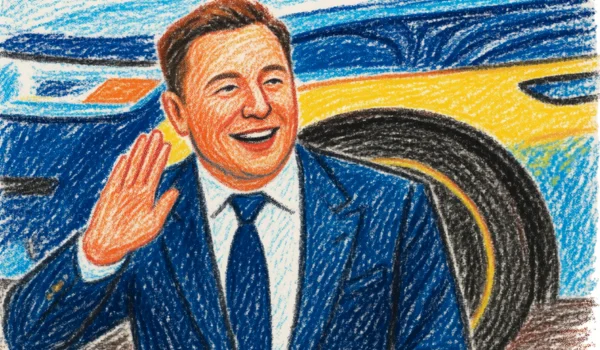
Musk and America PAC have reached agreements to resolve two proposed class-action lawsuits brought by voters who alleged that the giveaway was not conducted as advertised.
According to Reuters and Bloomberg Law, the settlement notices were filed in the US District Court for the Western District of Texas. The agreements require approval from the court, and the filings did not disclose whether the settlement involves financial compensation, other remedies, or additional conditions.
The lawsuits were brought by Arizona residents who claimed they signed a petition supporting constitutional rights after being told that participants could win $1 million through a random selection process.
The plaintiffs argued that the selection process was different from what had been publicly represented. The defendants denied wrongdoing, and the settlement should not be interpreted as a judicial finding that Musk committed fraud.
The agreement also represents a development in the litigation that had threatened to require Musk to answer questions under oath about how the giveaway operated. In June 2026, a federal judge had ruled that Musk must testify in the cases.
How Did the $1 Million Giveaway Begin?
The controversy began on October 19, 2024, when Musk announced that his political action committee would award $1 million each day to a randomly selected registered voter who signed a petition supporting the US Constitution.
The campaign focused on seven battleground states: Arizona, Georgia, Michigan, Nevada, North Carolina, Pennsylvania, and Wisconsin. These states were particularly important because their electoral votes could influence the outcome of the presidential contest between Republican Donald Trump and Democratic nominee Kamala Harris.
The petition emphasized constitutional protections, particularly freedom of speech under the First Amendment and the right to bear arms under the Second Amendment.
Musk’s initiative was connected to America PAC, the political organization he established to support Trump’s presidential campaign through independent political spending and voter outreach.
The giveaway attracted considerable public attention because of its size, timing, and the involvement of one of the country’s most influential business figures. It also prompted questions about whether cash incentives linked to voter participation could violate election-related laws.
As the election approached, the distinction between a genuine random lottery and payments intended to recruit political advocates became central to the growing controversy.
Why Did Voters File Lawsuits Against Musk?
The two class-action cases centered on allegations that the giveaway’s advertised selection process did not match the process used to choose recipients.
The plaintiffs said they participated because they believed they had a chance to win $1 million through random selection. They argued that they would not have signed the petition or supplied their personal information under the same circumstances if they had known how recipients were actually selected.
The complaints alleged that Musk, America PAC, and associated parties had misrepresented the nature of the promotion. The plaintiffs sought legal remedies for the alleged harm, including claims associated with the purportedly misleading lottery arrangement.
These were allegations made in civil litigation, not established findings of fraud. Musk and America PAC disputed the claims.
The controversy intensified after separate court proceedings in Pennsylvania brought details of the selection process into public view. According to reporting at the time, lawyers for Musk acknowledged that recipients were not selected randomly. Instead, the organization chose people it considered suitable to act as public spokespeople.
That distinction became a central issue in the subsequent lawsuits: whether participants had been given an accurate understanding of the conditions governing the advertised giveaway.
The Legal History: From Election Promotion to Federal Litigation
The dispute did not begin with the two lawsuits now covered by the settlement. A separate legal challenge in Pennsylvania had already raised questions about the giveaway before Election Day.
In late October 2024, Philadelphia District Attorney Larry Krasner filed a lawsuit seeking to stop the promotion, arguing that it amounted to an unlawful lottery under Pennsylvania law. The US Department of Justice had also reportedly warned Musk’s group that the arrangement could raise concerns under federal law.
Musk’s legal team attempted to move the Pennsylvania case into federal court. On November 1, 2024, however, a federal judge sent that dispute back to the state court system.
A Pennsylvania judge subsequently allowed the giveaway to continue, concluding that the arrangement did not satisfy the state’s legal definition of a lottery. The selection process and the recipients’ role as spokespeople were important considerations in the dispute.
Meanwhile, the two voter lawsuits developed separately. They challenged the alleged representations made to participants and the way recipients were selected. Those cases later proceeded in federal court in Texas.
In January 2026, another related set of lawsuits in Pennsylvania continued to generate litigation over payments promised to petition signers and people who referred additional participants. Those proceedings involved different claims and should not be confused with the two Texas cases covered by the October 2026 settlement.
What Does the Settlement Mean for Musk?
The agreement could help Musk and America PAC avoid the expense, uncertainty, and public scrutiny associated with continued litigation. It may also bring the two specific class-action cases closer to resolution, provided the court grants the necessary approval.
However, several important questions remain unanswered.
First, the publicly reported settlement notices did not reveal the financial terms or explain whether eligible participants will receive compensation. Second, the court must review the agreements before they can be treated as fully approved settlements. Third, the settlement does not automatically resolve every separate legal dispute connected to Musk’s election-related activities.
It is also important to distinguish a settlement from a court judgment. Parties can agree to settle a case for many reasons, including the cost of litigation and the desire to avoid further proceedings. Unless the agreement or a court ruling establishes otherwise, the settlement itself does not prove that the defendants committed the alleged misconduct.
For Musk, whose political spending and public support for Trump attracted widespread attention in 2024, the cases illustrate the legal scrutiny that can accompany large-scale political promotions.
For voters, the dispute raises broader questions about transparency, the use of personal information, and the representations made when political organizations offer financial incentives to members of the public.
Could the Giveaway Have Violated Election Laws?
The legal concerns surrounding the promotion involved several distinct issues, and they should not be treated as interchangeable.
One question was whether the arrangement qualified as an unlawful lottery under applicable state law. Another was whether the public description of the selection process was misleading under consumer-protection or other relevant legal standards. Concerns were also raised about the relationship between financial incentives and voter participation under federal election law.
The legal analysis depends on the specific statute, the facts of the arrangement, and the jurisdiction involved. For example, federal law generally prohibits paying or offering to pay people to vote or to register to vote. However, the precise application of election laws to a particular promotion depends on its structure and the conduct involved.
The Pennsylvania proceedings and the Texas class-action cases addressed different legal questions. A ruling that a promotion does not qualify as a lottery under one state’s law does not necessarily settle whether other representations or practices could create liability under a different law.
As of the October 15, 2026, settlement announcement, the two Texas cases had not produced a publicly reported final judicial finding establishing that Musk or America PAC committed fraud. The reported agreement was subject to court approval.
Conclusion
Elon Musk’s agreement to settle two lawsuits over his 2024 election giveaway brings a prominent legal dispute closer to resolution. The cases arose from a campaign that offered registered voters in seven battleground states an opportunity to win $1 million after signing a petition supporting constitutional rights.
The plaintiffs alleged that the advertised random-selection process did not reflect how recipients were actually chosen. Musk and America PAC denied wrongdoing, and the settlement terms have not been publicly disclosed.
The next important development is the federal court’s review of the agreements. Until the terms and approval status become clear, questions about potential compensation and the precise legal consequences remain unresolved.
The case also serves as a reminder that political promotions involving substantial financial incentives can raise complex questions about transparency, consumer protection, and election law.