Business law may sound complicated, but at its core, it exists to create fairness, protect people, and help businesses operate smoothly. Whether you’re a small business owner, freelancer, consumer, or employee, business law affects your daily life more than you might realize.
This detailed guide explains why there is a need for business law, how it impacts day-to-day business operations, and the practical benefits it provides to both organizations and individuals.
⭐ What You Will Learn
- Why business law exists in the U.S.
- How it protects businesses, customers, and the economy
- Key areas of business law you should understand
- Real-world examples and compliance tips
- FAQs related to the need for business law
What Is Business Law?
Business law is the collection of rules and regulations that govern how businesses operate in the United States. It covers everything from contracts and taxes to employment and consumer protection.
In simple words: Business law keeps the business world fair, predictable, and safe.
Why Is There a Need for Business Law?
- ✔ To Create a Fair and Predictable Business Environment
Without clear laws, business transactions would be chaotic. Business law ensures:
- Fair dealings between companies
- Honest transactions with consumers
- Transparency in agreements
- Predictable outcomes when disputes arise
Example:
A company purchases goods from a supplier. If the supplier fails to deliver, contract law helps the buyer enforce their rights.
- ✔ To Protect Businesses From Fraud and Dishonesty
Business law sets strict standards for:
- False advertising
- Fraudulent sales
- Consumer deception
- Misleading contract terms
The Federal Trade Commission (FTC) regularly enforces these rules to keep markets honest.
Example:
If a business markets a product with false claims, it can face FTC penalties, lawsuits, and mandatory refunds to consumers.
- ✔ To Protect Consumers and the General Public
Business law ensures customers are treated fairly by enforcing:
- Safety regulations
- Return and refund rights
- Truth-in-advertising laws
- Data privacy rules
- Fair pricing practices
Real-world example:
Car manufacturers must follow federal safety standards. If a vehicle part is unsafe, the company is required to issue a recall.
- ✔ To Reduce Conflicts Through Clear Rules
Disputes are common in business. Laws help resolve them quickly and fairly.
Common disputes business law helps resolve:
- Contract disagreements
- Payment issues
- Intellectual property theft
- Employee termination disputes
- Partnership conflicts
These laws provide procedures for negotiation, mediation, arbitration, or court action.
- ✔ To Guide Businesses in Their Day-to-Day Operations
Business law provides a roadmap for how companies must be formed, managed, and dissolved.
It covers things like:
- How to form an LLC or corporation
- How to hire employees legally
- How to pay taxes
- What licenses are needed
- What safety rules apply
Without these rules, businesses would face confusion, financial risk, and legal chaos.
- ✔ To Protect Employee Rights
Employment laws ensure workplaces are safe, fair, and non-discriminatory.
Key protections include:
- Minimum wage & overtime rules (FLSA)
- Workplace safety (OSHA)
- Anti-discrimination protections (EEOC)
- Employee benefit standards
- Wrongful termination protections
Example:
If an employee is fired due to discrimination, U.S. law allows them to file a complaint with the EEOC and seek legal remedies.
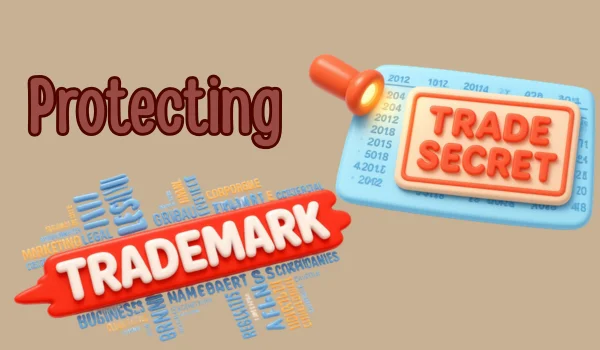
- ✔ To Protect Intellectual Property (Innovations, Brands & Creativity)
Businesses invest heavily in ideas, designs, technology, and branding. IP laws help protect those investments.
Types of IP protection:
- Trademarks (logos and brand names)
- Patents (inventions)
- Copyrights (art, writing, software)
- Trade secrets (business formulas and processes)
Example:
If a competitor copies your logo, trademark law allows you to stop them and claim damages.
- ✔ To Ensure Ethical Behavior and Social Responsibility
Business laws encourage companies to act responsibly in areas such as:
- Environmental protection
- Waste disposal
- Fair labor practices
- Data privacy
- Financial reporting
These laws prevent unethical behavior that harms society.
Major Areas of Business Law
| Area of Law | What It Regulates | Why It Matters |
| Contract Law | Agreements between parties | Prevents disputes and ensures clarity |
| Employment Law | Hiring, wages, safety, discrimination | Protects workers and prevents lawsuits |
| Tax Law | Federal & state business taxes | Avoids penalties and ensures compliance |
| Intellectual Property Law | Trademarks, copyrights, patents | Protects ideas & brand identity |
| Business Formation Law | LLCs, corporations, partnerships | Defines ownership and liability |
| Consumer Protection Law | Marketing, sales practices | Keeps customers safe & prevents fraud |
| Privacy & Data Protection Law | Handling personal data | Prevents misuse and protects privacy |
| Environmental Law | Waste, emissions, safety standards | Ensures businesses follow eco-standards |
Real-World Examples Showing the Need for Business Law
- The McDonald’s Hot Coffee Case
A woman suffered severe burns from overheated coffee and sued McDonald’s.
Result: Businesses must follow safety standards and warn customers appropriately.
- Facebook’s Privacy Violations
The company faced billions in penalties for mishandling user data.
Result: Stronger enforcement of privacy laws and data protection.
- Employee Misclassification Cases
Some companies wrongly classify employees as independent contractors to avoid taxes.
Result: Heavy fines, back pay, and required changes in policy.
Each example shows how business law protects people and holds companies accountable.
Compliance Requirements Every Business Should Follow
- Register the business (LLC, corporation, or partnership)
- Obtain licenses and permits (industry-specific)
- Follow tax obligations
- Use written contracts for clients and vendors
- Follow employment laws
- Protect intellectual property
- Maintain safety standards
- Implement privacy & data protection policies
Following these steps reduces lawsuits, fines, and operational risks.
Practical Advice for Business Owners
- Keep good records — contracts, invoices, employee files
- Use legal templates, but customize them
- Stay updated on laws in your state
- Budget for legal advice during major decisions
- Train employees on compliance and safety
- Review policies annually
Small steps prevent major legal problems.
FAQ: Why There Is a Need for Business Law
- Is business law only for big companies?
No. Small businesses, freelancers, and gig workers must also follow key laws like contracts, taxes, and licensing rules.
- Does business law protect consumers too?
Yes. Laws ensure products are safe, returns are fair, and advertising is honest.
- Can a business operate without legal knowledge?
It can — but it’s risky. Lack of compliance leads to fines, lawsuits, or even closure.
- Why are contracts so important?
They define responsibilities and prevent disputes. A written contract often saves time, money, and relationships.
- What laws protect employees?
Laws related to wages, discrimination, safety, workers’ compensation, and overtime protect workers.
- Does every business need licenses?
Most do. Requirements depend on industry, state, and city (e.g., food, retail, home services).
- How often do business laws change?
Regularly. State and federal agencies update rules frequently, especially related to privacy, employment, and taxes.
Conclusion
Business law is not just a technical field — it is the backbone of the American economy. It ensures fairness, transparency, and safety for businesses, consumers, and employees. Without it, markets would be unpredictable, fraud would increase, and consumers would lack protection.
Understanding the basics of business law helps businesses operate confidently, avoid penalties, and build long-term success. For individuals, it ensures fairness, safety, and trust in the marketplace.